 by
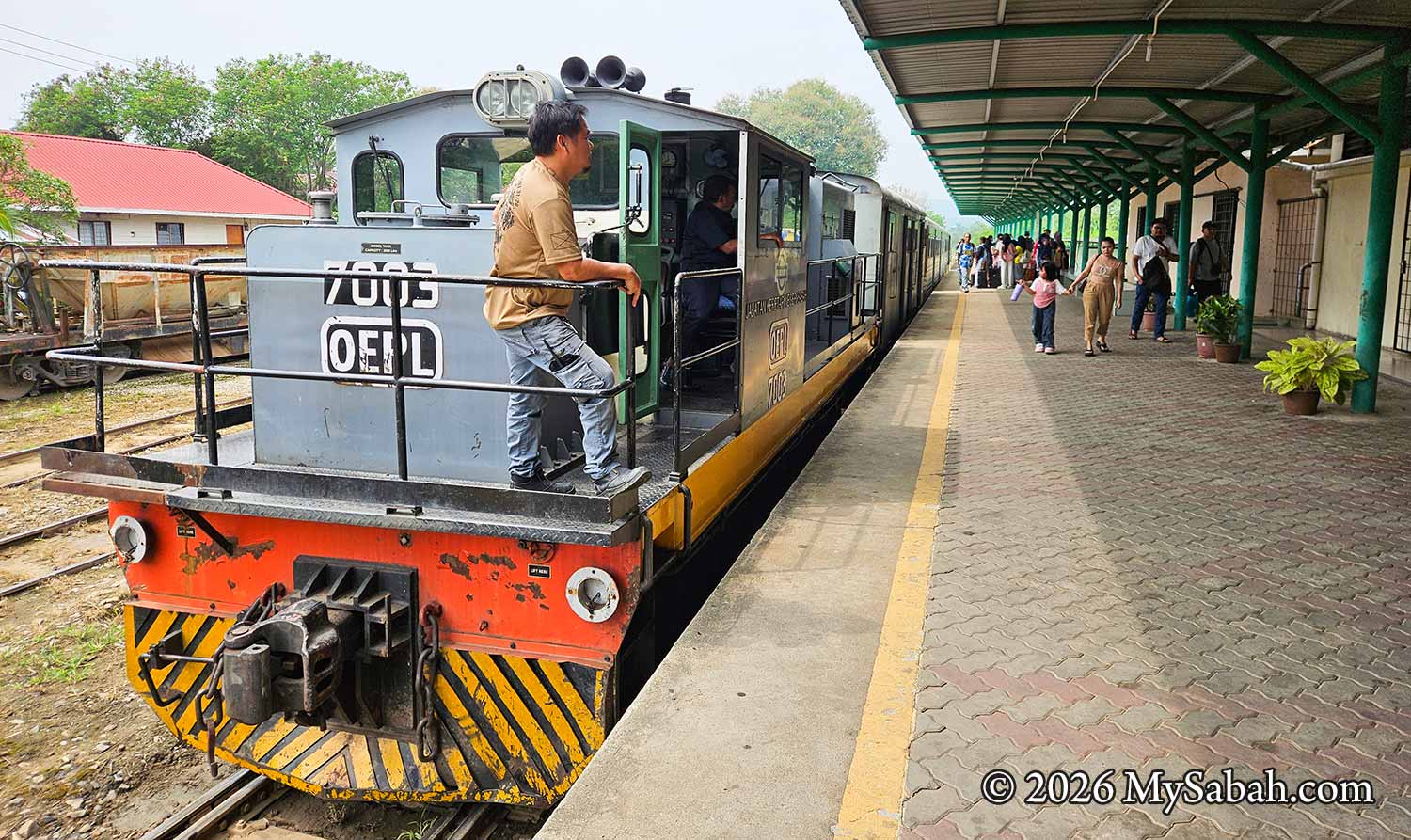
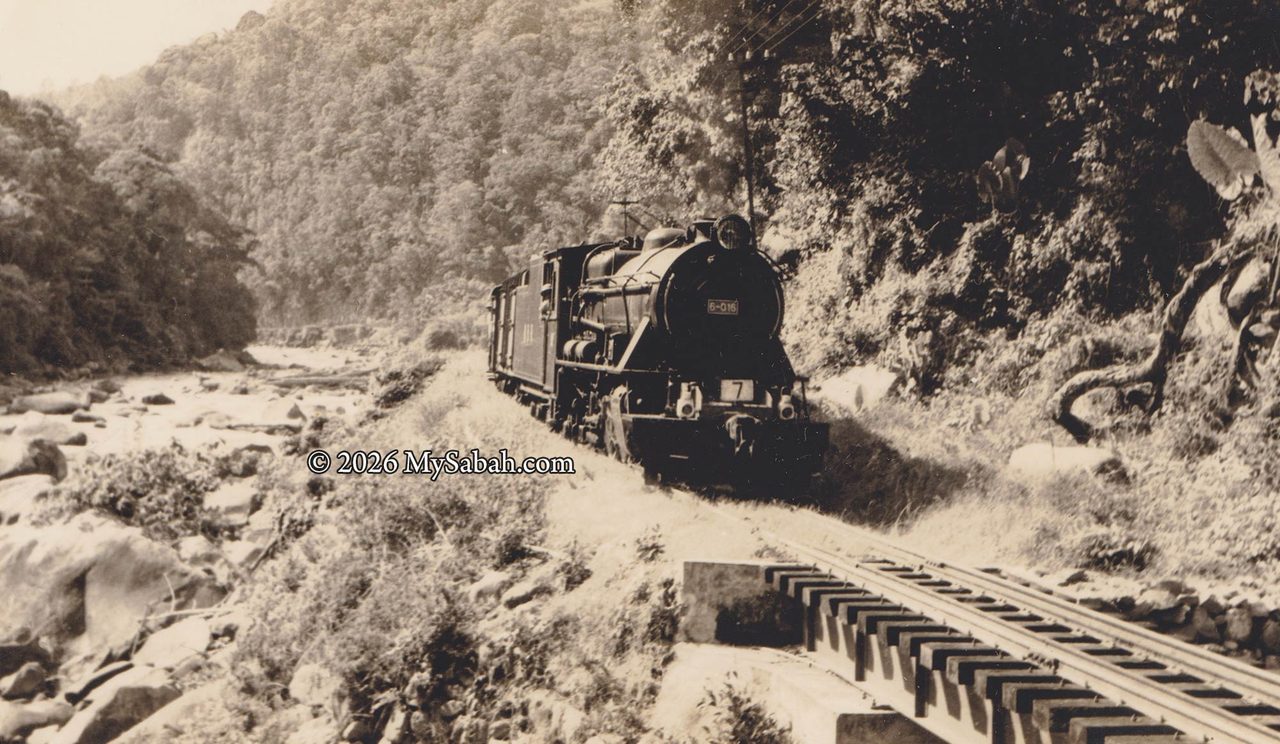
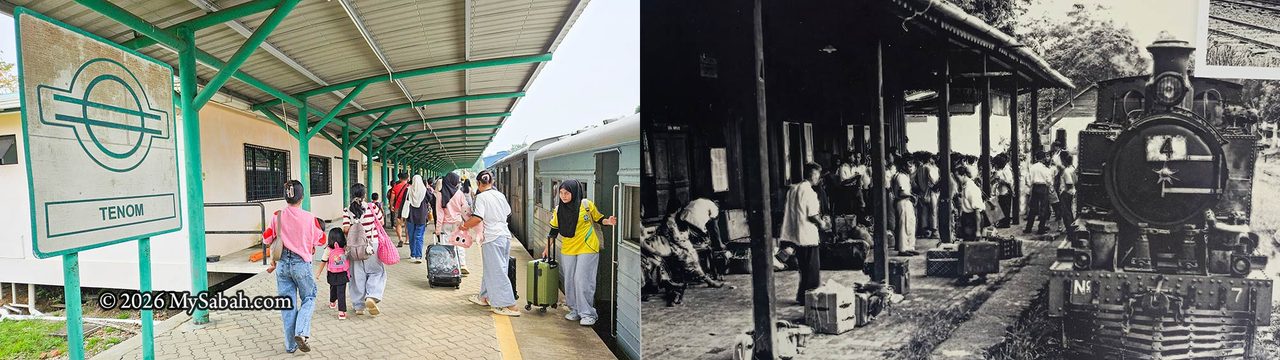
Most of the infrastructure built during the British North Borneo era has gone. One exception is the railway, which has stood the test of time and is still operating today. Construction began in 1896, and more than a century later, Sabah’s railway retains much of the old-world charm of the North Borneo Railway. It is also the only railway system on the island of Borneo.
A Historic Ride to Tenom
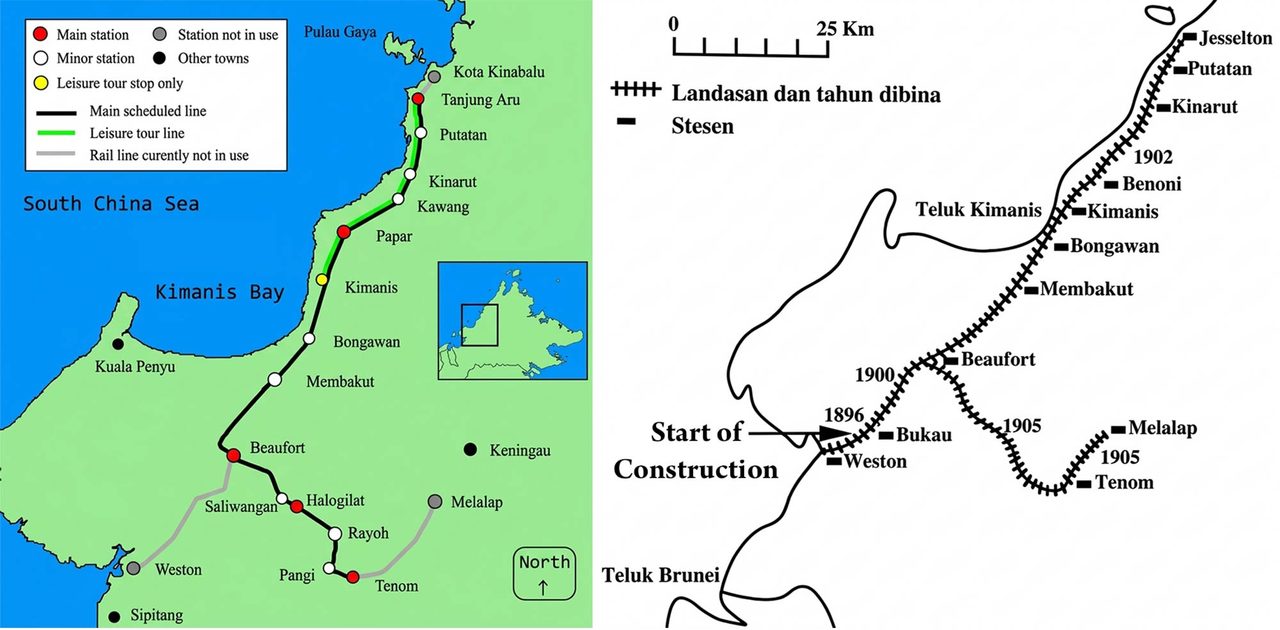
The British saw great agricultural potential in Tenom, which offered some of the most fertile land in the interior. They extended the railway to the hilly Tenom, completing the Beaufort–Tenom section in 1905, to transport agricultural produce such as coffee, rubber and tobacco to the port of Jesselton (now Kota Kinabalu) for export. Before the railway, travelling to Tenom along a bridle path could take as long as 10 days. By train, the journey takes only a few hours.
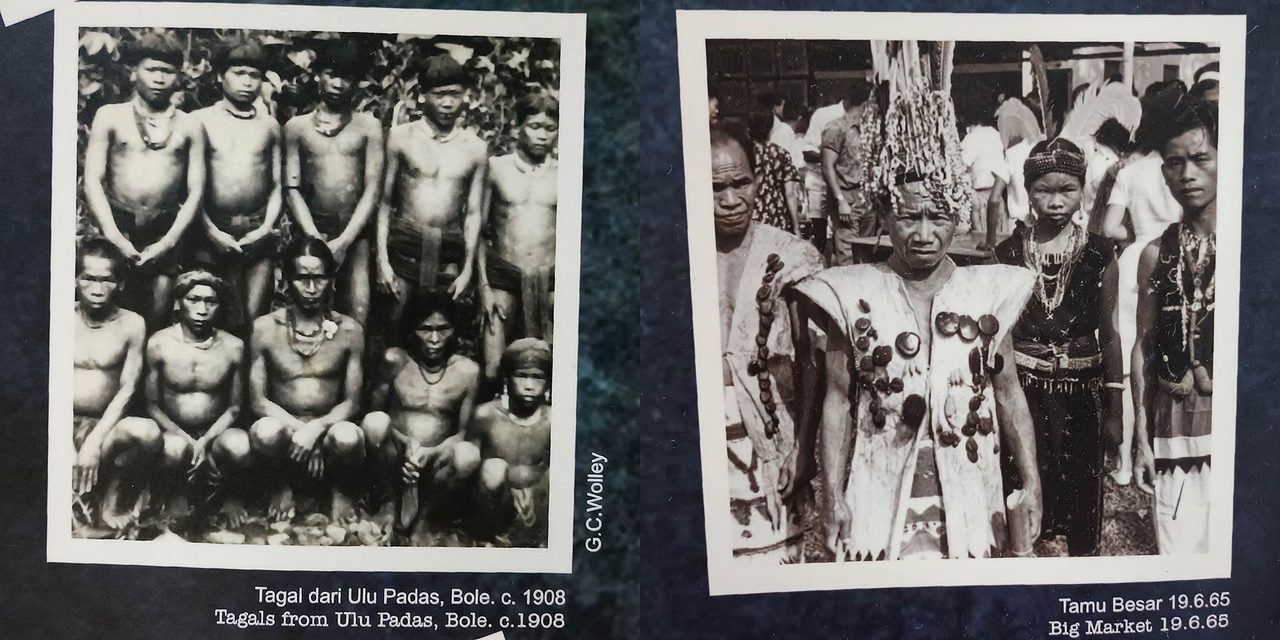
We tend to take trains for granted today. However, 100 years ago, the railway was a remarkable innovation that transformed communities and their way of life. For example, indigenous communities in the interior, who were previously viewed by outsiders as “barbaric”, gradually learnt to use money, wear clothing and bring their agricultural produce to towns for trade.
By car, the journey from Kota Kinabalu (KK) to Tenom is approximately 140 km and takes around 2.5 hours. However, some locals take the train to Tenom simply for the experience. Tenom is the terminus of the 134-km railway line, and the journey feels like travelling down a historical lane. The railway was once an economic lifeline for Sabah’s west coast.
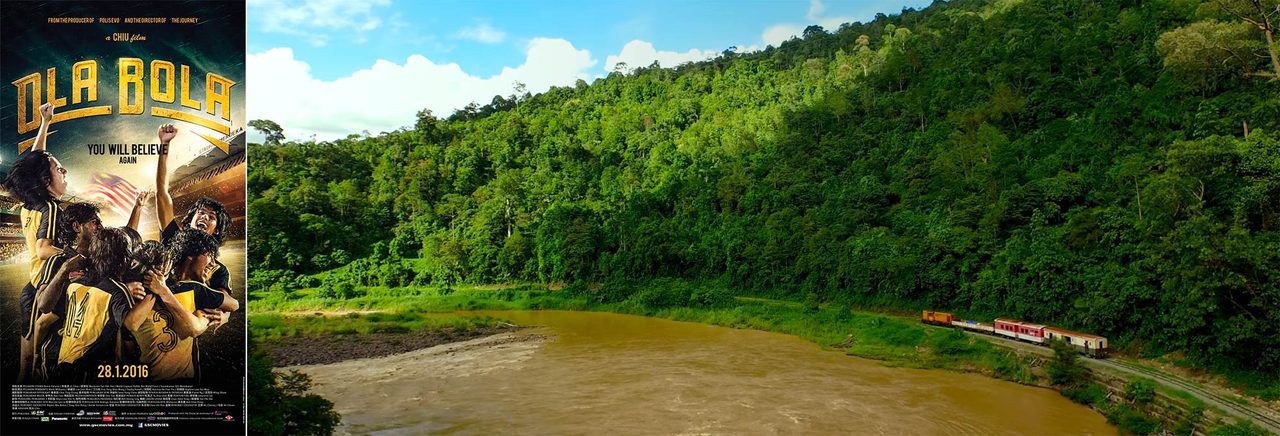
Part of the 2016 Malaysian blockbuster movie OlaBola was filmed along this railway, making use of its nostalgic atmosphere. The railway also played an important role in the development of Tenom’s agricultural economy, including the coffee industry that eventually made the town famous.
Best Timing (Wednesday)
Let’s jump straight into the best arrangement for a day trip to Tenom by train. I recommend taking the morning train from Beaufort to Tenom on a Wednesday. Why Wednesday? Because Tenom has a tamu market on Wednesdays and Sundays. Visiting on Wednesday allows you to experience the local market while still having time to explore the town.

6:00am: Depart from KK by car for Beaufort Railway Station, approximately 90 km away.
7:45am: Depart from Beaufort Railway Station for Tenom.
10:00am: Arrive in Tenom and explore the town centre.
1:00pm: Take the train back to Beaufort.
3:30pm: Arrive in Beaufort. You can explore the town before heading home.
Why Not KK to Tenom?
You may skip this section if you don’t want to read a lengthy explanation. To travel to Tenom by train from KK, you need to take two separate train services: KK to Beaufort, followed by Beaufort to Tenom. Unfortunately, the connections are not seamless.
If you take the earliest train from Tanjung Aru (KK) to Beaufort, departing at 7:45am, you will arrive in Beaufort at around 10:00am. You will then have to wait for the next train to Tenom, which departs at around 12:00pm or 1:30pm. By the time you arrive in Tenom, you will have missed the last train back to Beaufort. Consider spending a night in Tenom so you can have more time and flexibility to explore Tenom.
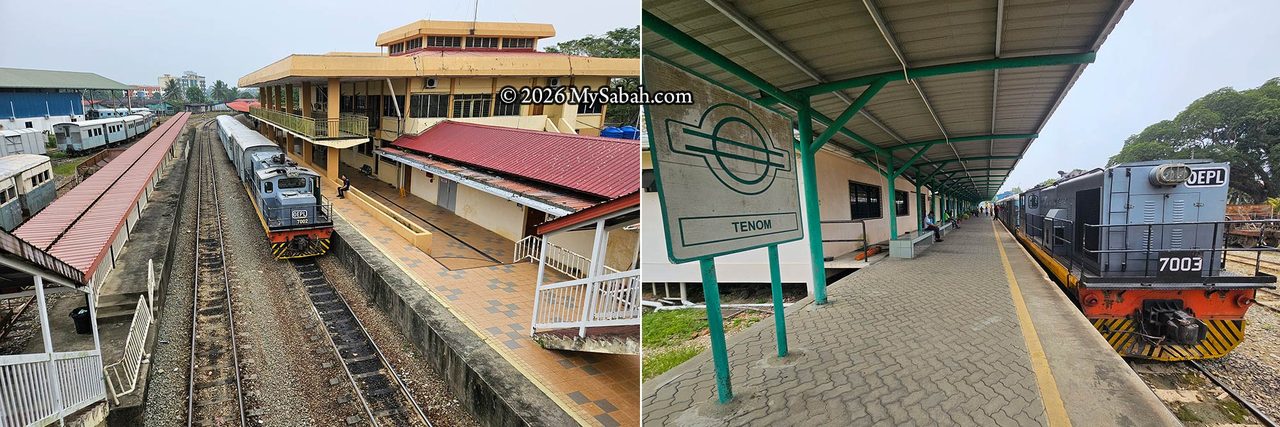
The following is the train schedule for your reference:
- KK (Tanjung Aru Station) to Beaufort: 7:45am
- Beaufort to Tenom: Mon- Sat: 7:50am and 1:30pm; Sun: 7:50am and 12:00pm
- Tenom to Beaufort: Mon – Sat: 7:30am and 1:00pm; Sun: 7:30am and 12:30pm
Please note that train services to Tenom may be cancelled because of landslides or flooding caused by bad weather. Please check the official website of Sabah State Railway or follow the official Facebook page of the Sabah State Railway Department for the latest updates.
Walkthrough: Return Trip to Tenom Town by Train
The following is a detailed walkthrough for those who want to visit Tenom by train.
6:15am: If you are staying in KK, drive approximately 90 km to Beaufort Railway Station. The journey is along asphalt roads and takes around 90 minutes. I suggest allowing some extra time by leaving earlier, preferably around 6:00am or before.
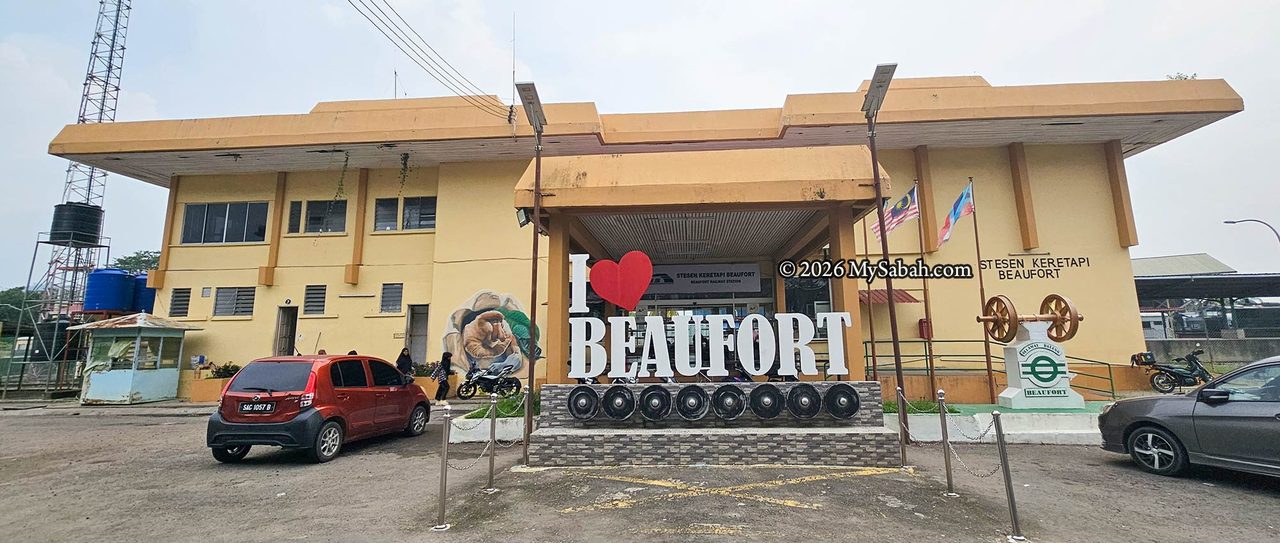
7:30am: You should arrive in Beaufort town by now. Park your car near the railway station and head to the lobby. The ticket counter usually opens 30 minutes before train departure. Tickets can be purchased over the counter, only cash is accepted.
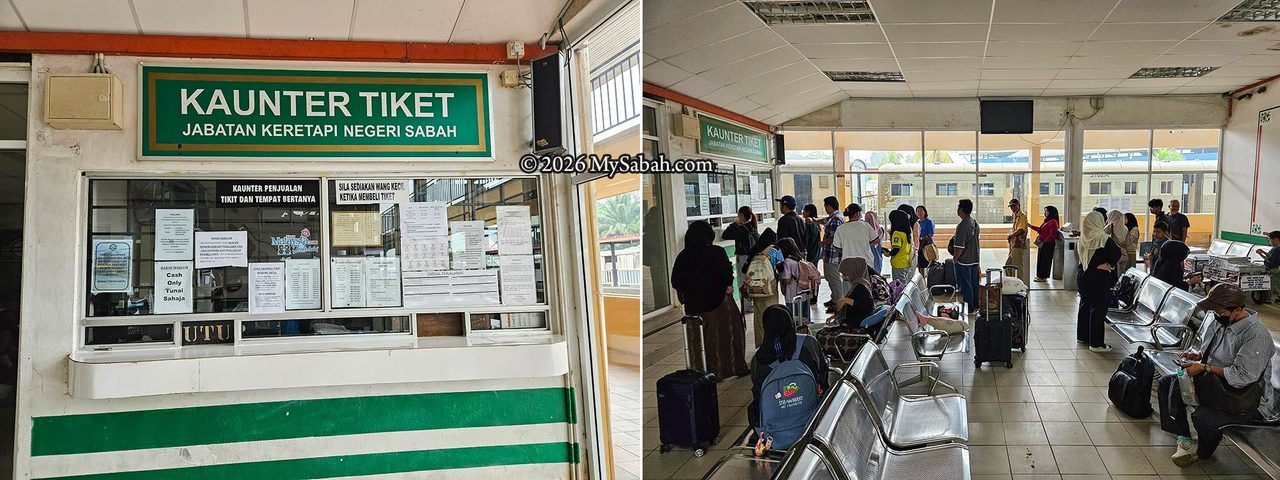
Although online ticket purchasing is now available, I would advise you to buy the ticket over the counter for now.
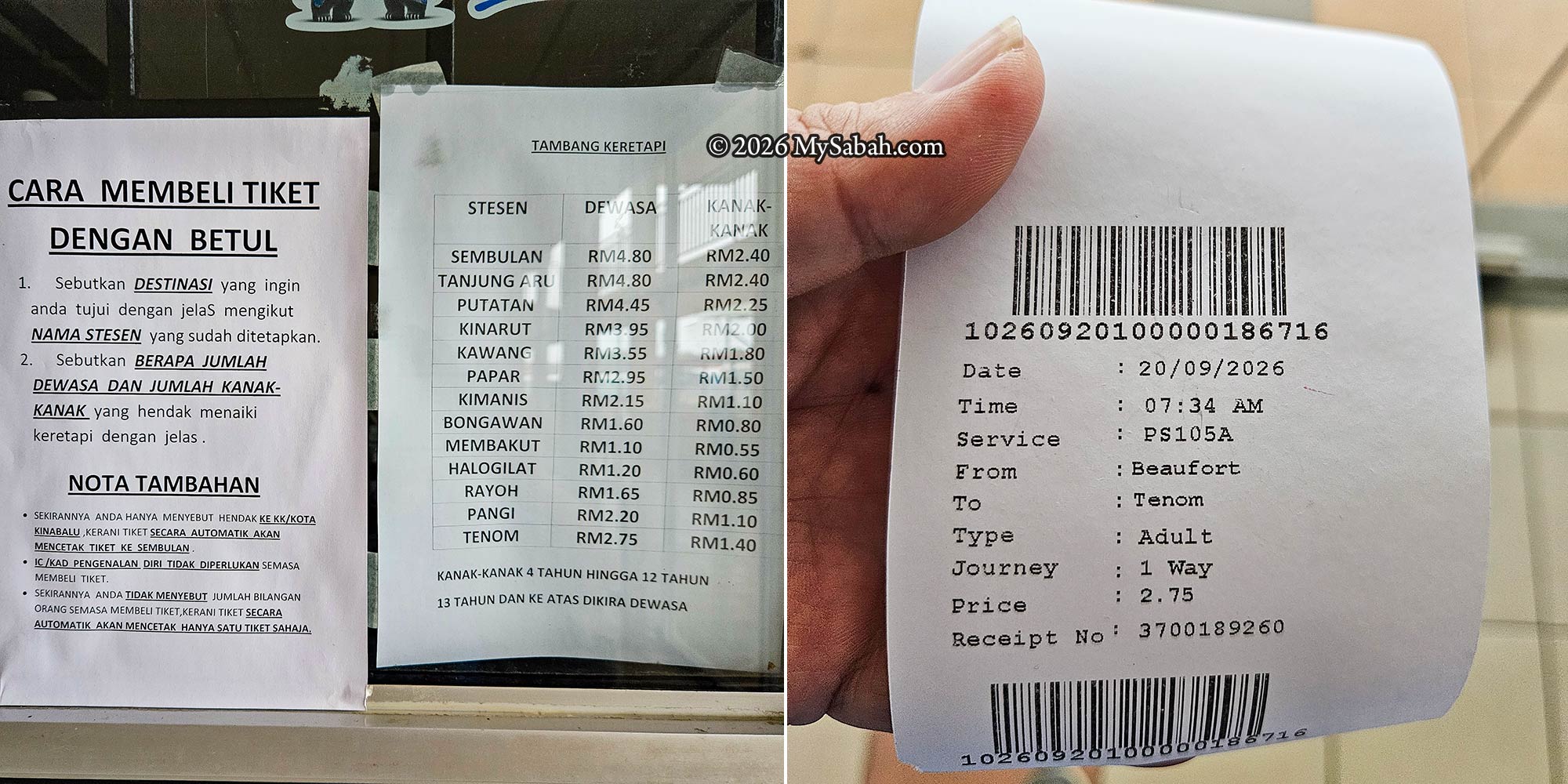
If you are travelling with a group of friends, one person can queue to purchase the tickets while the others board the train to secure the best seats. For the best window view, I recommend sitting on the right-hand side of the train when travelling from Beaufort to Tenom.
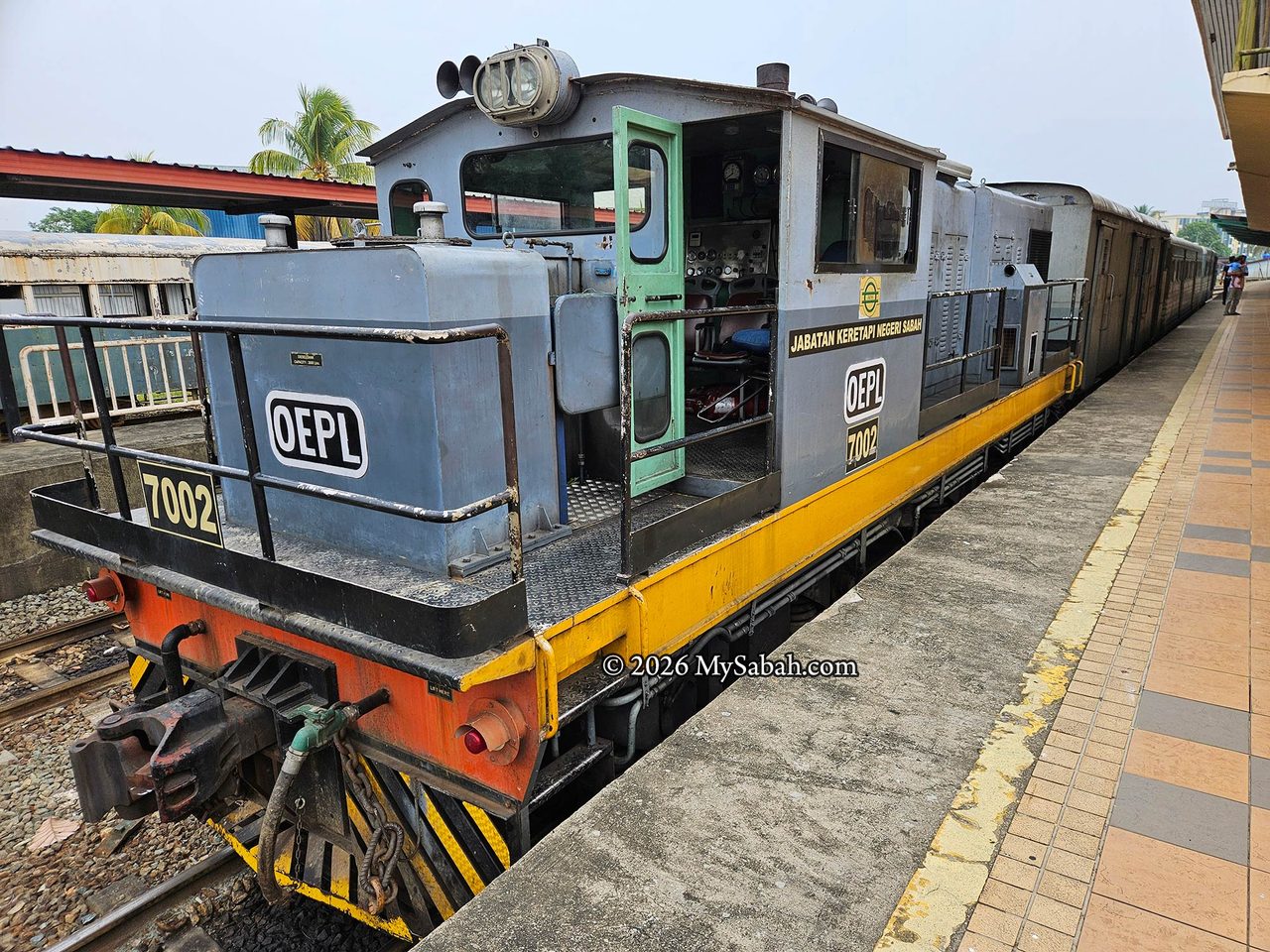
8:00am: There are only overhead fans in the train, so leave the windows open. It will feel less warm once the train starts moving and the air begins to flow through the carriage. You can lean towards the window, but watch out for branches and leaves that might slap you in the face!
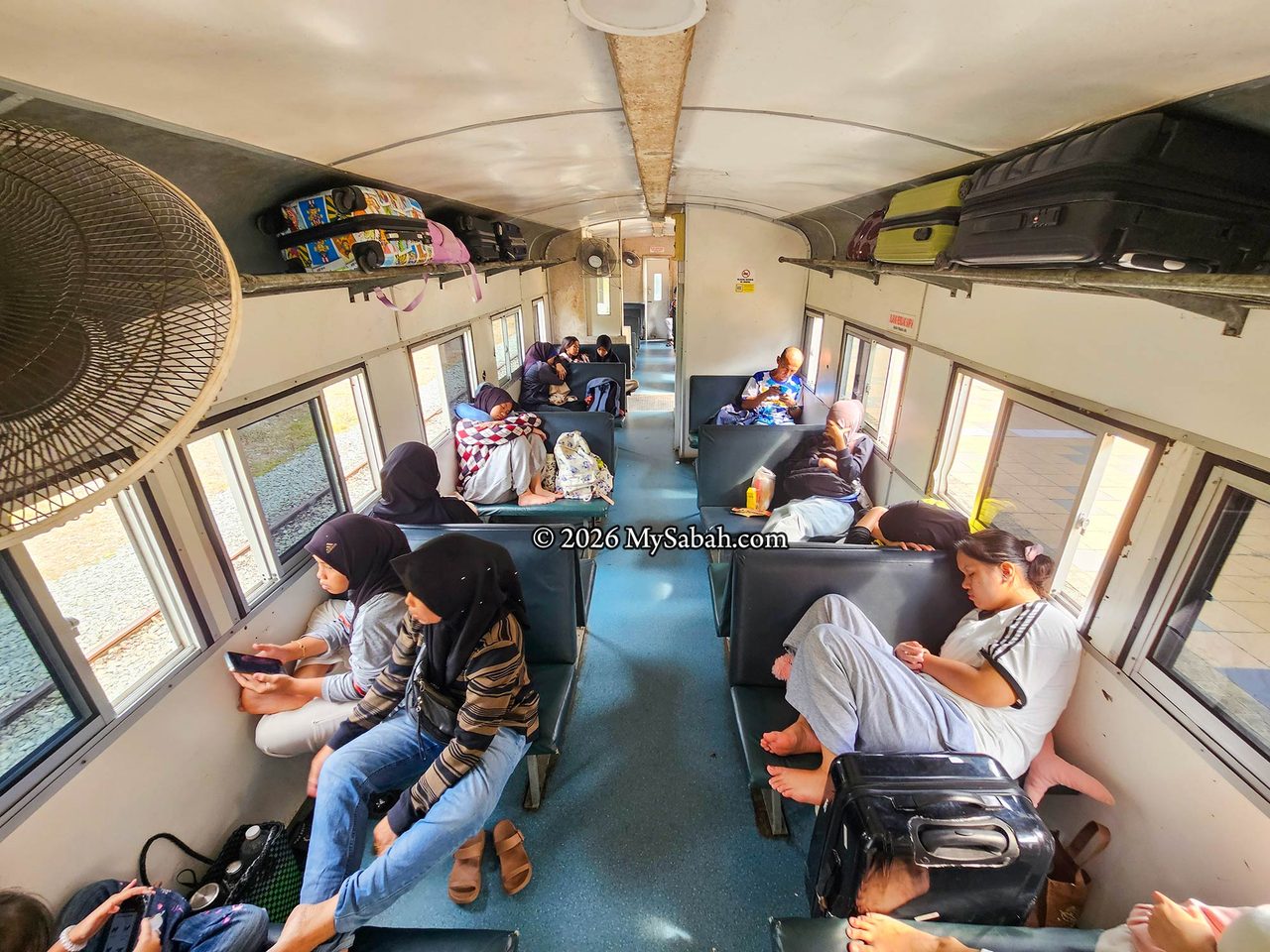
The Countryside and Backcountry Views
Unlike modern high-speed trains, which are fast and quiet, the diesel train moves fairly slowly, at around 40 km/h. This gives you plenty of time to enjoy the scenery, listen to the mechanical noises and hear the familiar train horns.
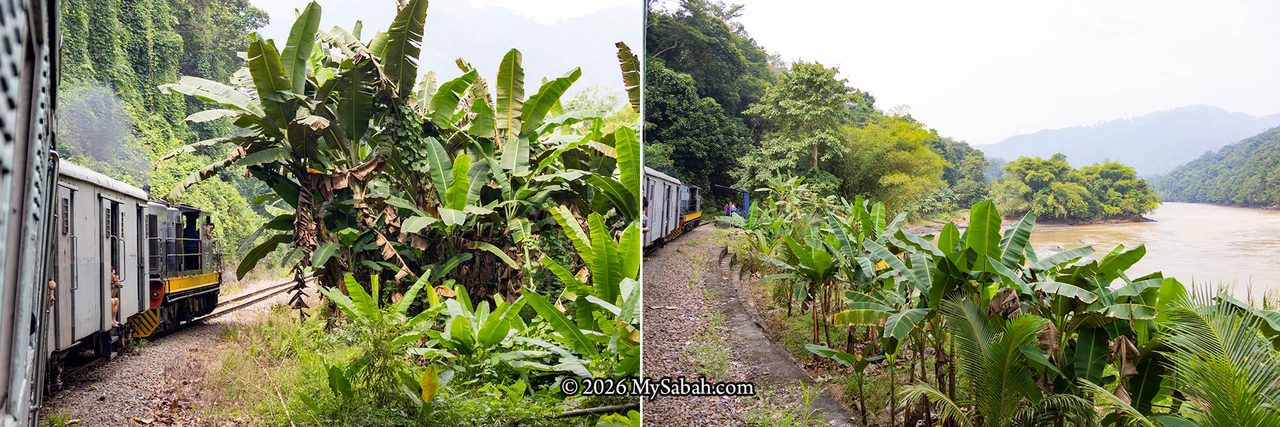
I initially thought the journey might be boring, so I brought a book to read onboard. However, I ended up spending most of the time looking out of the window. My late dad used to tell me that, in the old days, you were better off avoiding white shirts when travelling by steam train. Otherwise, the soot and ash from the locomotive would stain your clothes.
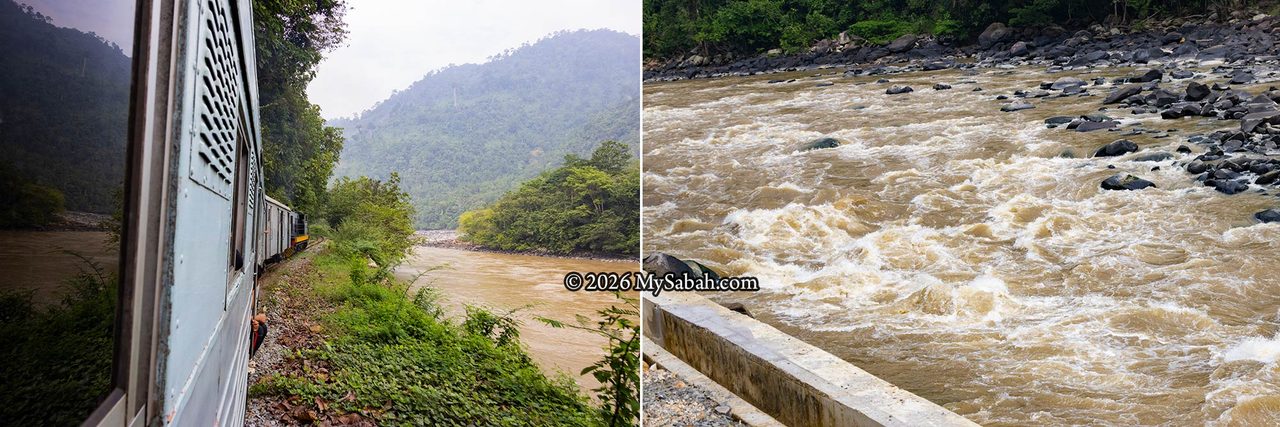
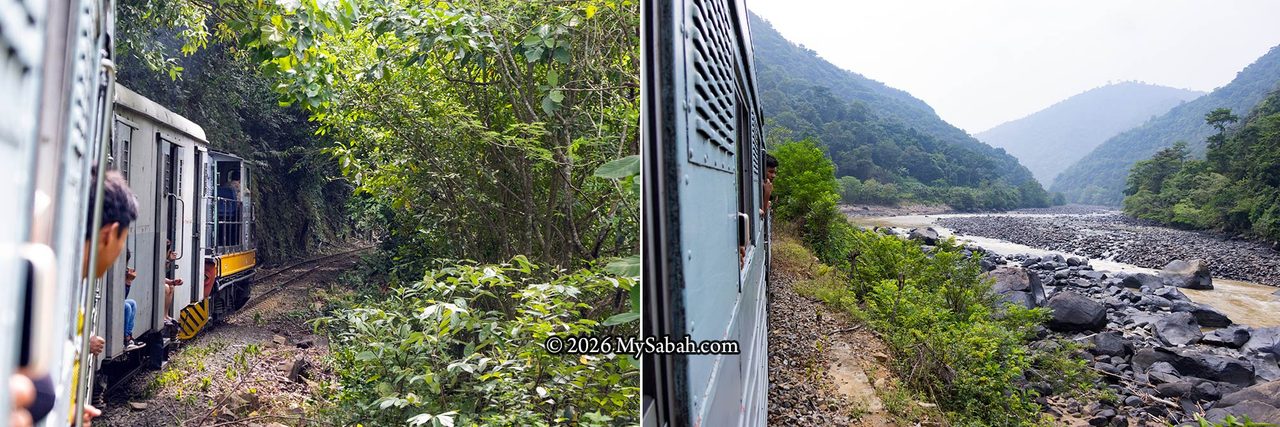
Most of the 48-km railway journey snakes along the Padas River and through the gorge. You will see rivers, the Padas Gorge, plantations, villages, schools, forests and churches flashing past your window. The train also makes brief stops at several railway stations and small village halts along the way.
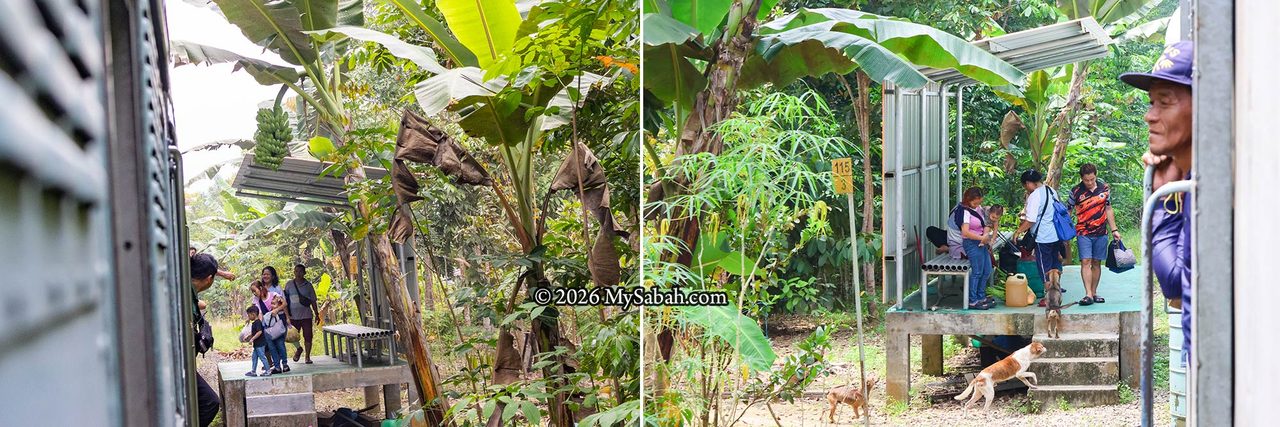
Many countries have turned their railway services into tourism attractions. Sabah’s railway, however, continues to serve mainly the remote villages that have limited road access. It provides an important means of transport for people travelling between villages and towns.
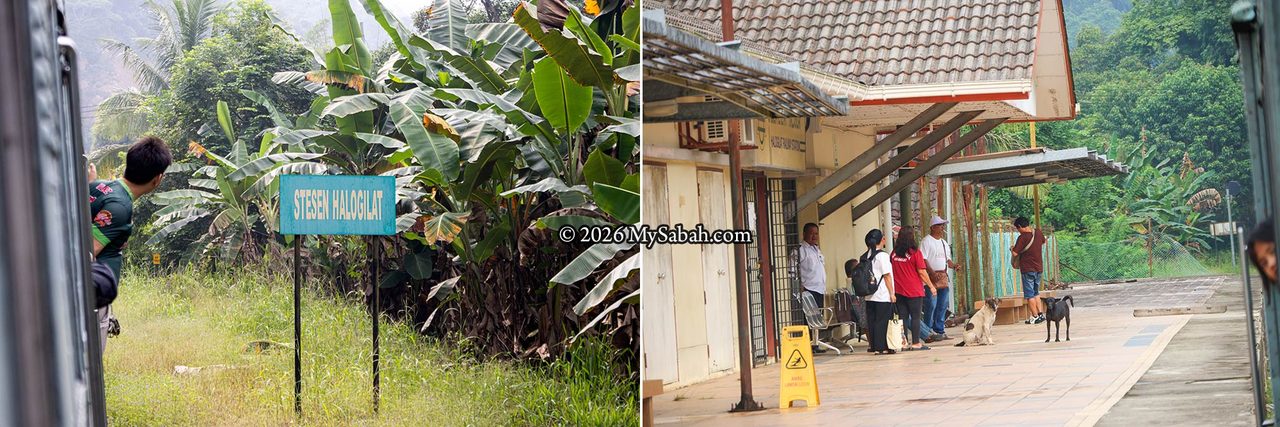
That’s why the train looks old and basic, without anything fancy. But this is precisely what makes the journey interesting. It allows you to witness the everyday lives of people in rural Sabah.
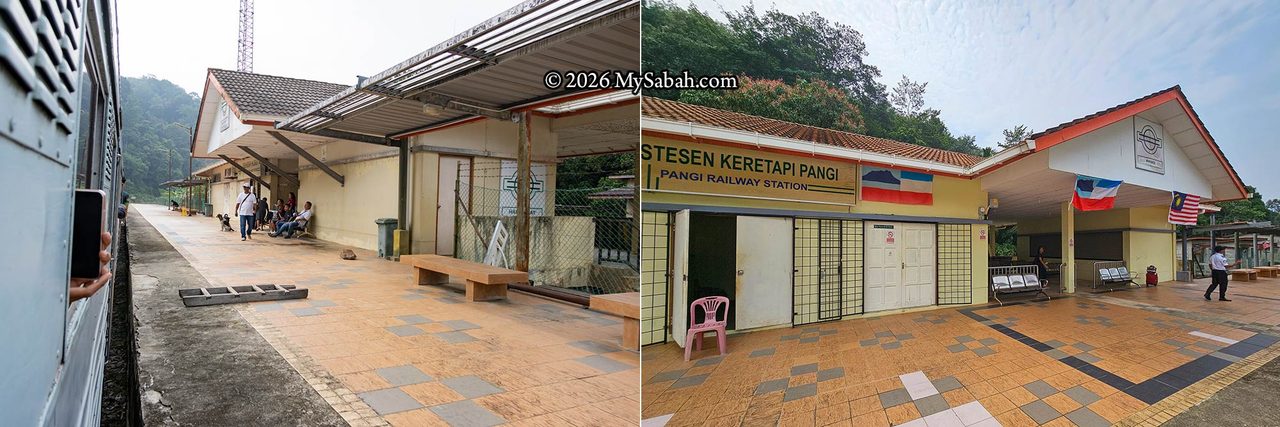
For example, you may see schoolchildren in their uniforms boarding the train, village dogs happily welcoming their owners at the stops, and villagers carrying boxes of groceries onboard.
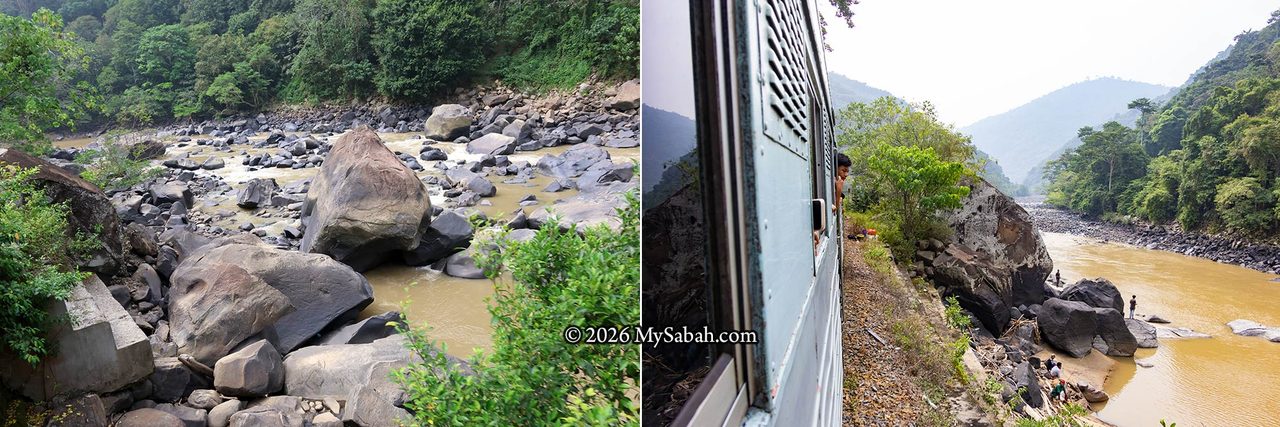
I particularly enjoy the lush greenery along the Padas Gorge. The Padas River often has a milky tea-like colour and is Sabah’s second-longest river. As the train travels upstream, you will notice that the rocks and boulders in the river become increasingly large. Most of the gorge remains forested, and in some sections, the railway runs less than 10 metres from the river.
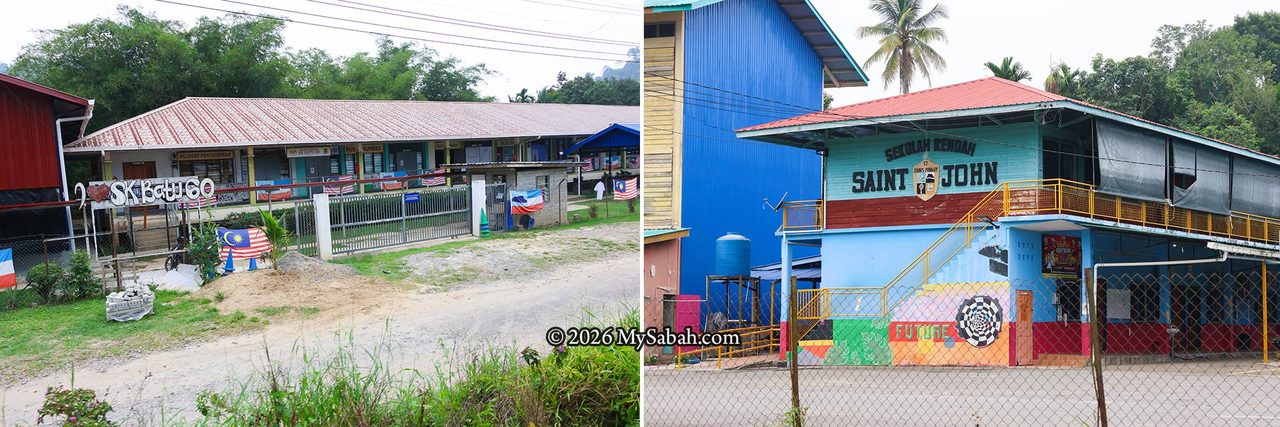
There are some remote villages along the railway that give me a 1970s vibe. I saw several schools and churches that looked almost forgotten by time. One day, I would love to stop at these places to discover more stories and learn about their history.
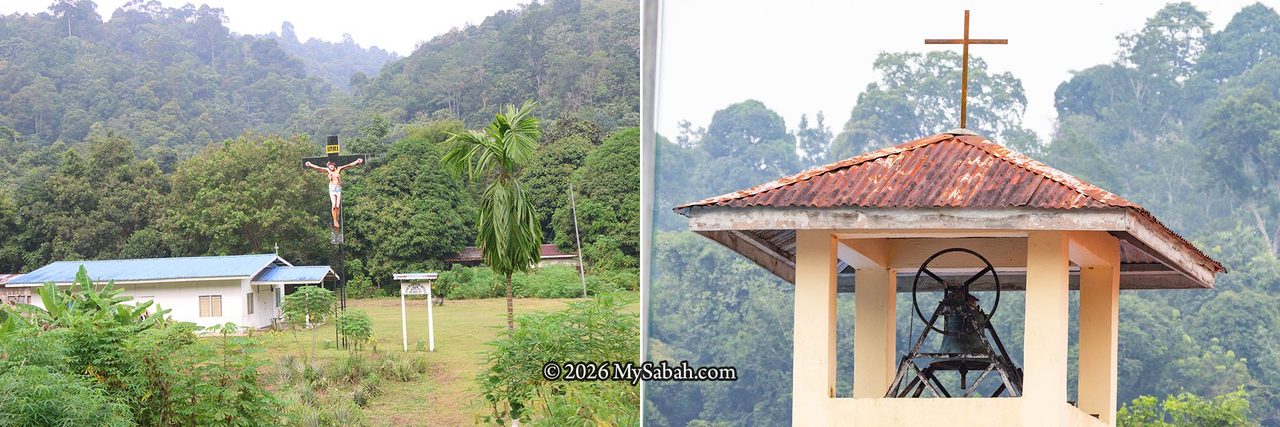
There are many Catholic churches along the route. I’m sure preachers in the old days must have relied on the train to reach these remote communities.
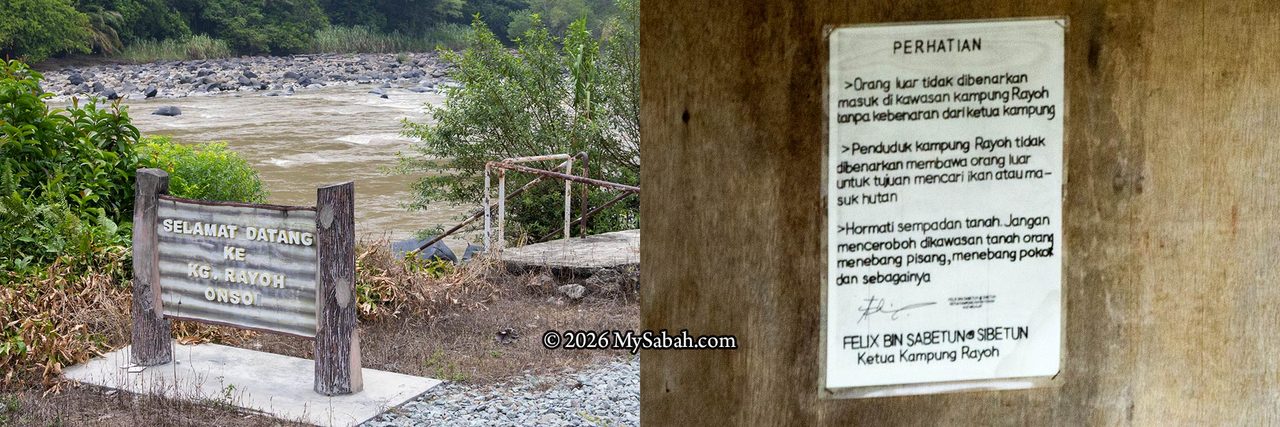
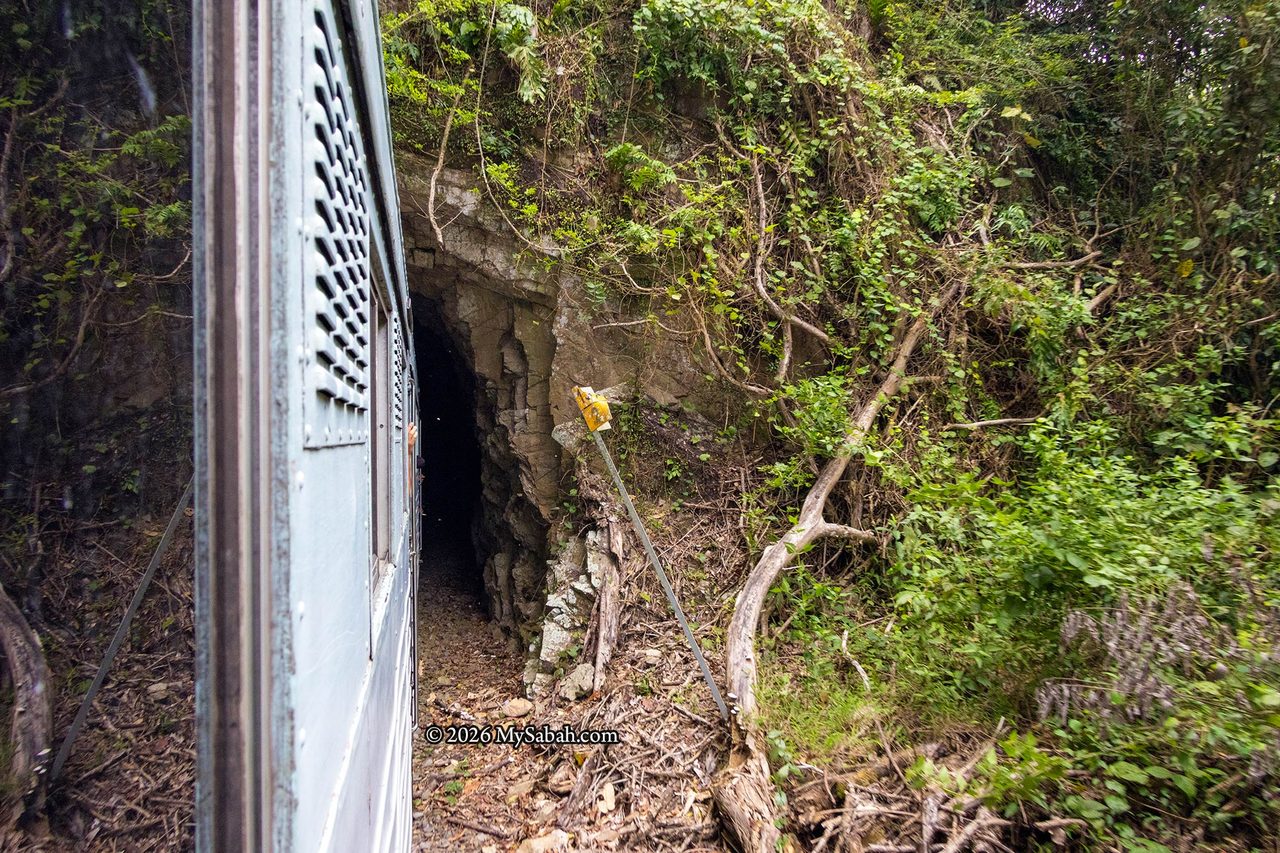
After passing Pangi Dam (Tenom Pangi Hydroelectric Power Station), the train will go through a dark tunnel. Once you emerge from it, you are only about five minutes away from Tenom.
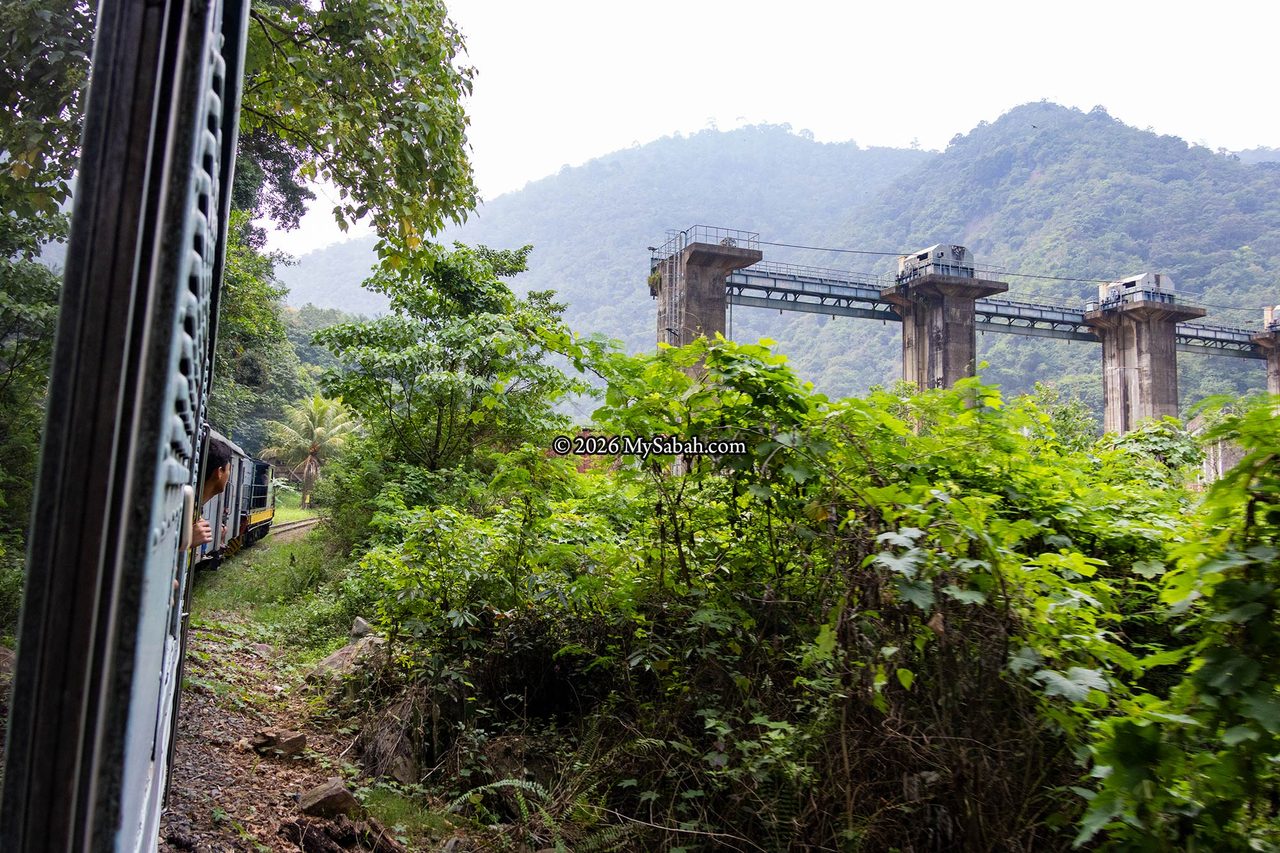
There is an interesting local story about this tunnel. In the past, some Murut people were reportedly so afraid of it that they believed the tunnel was a passage to the belly of the earth. Considering that the Murut were once renowned as formidable headhunting warriors of Borneo, I find this reaction rather amusing.
Walking Tour in Tenom
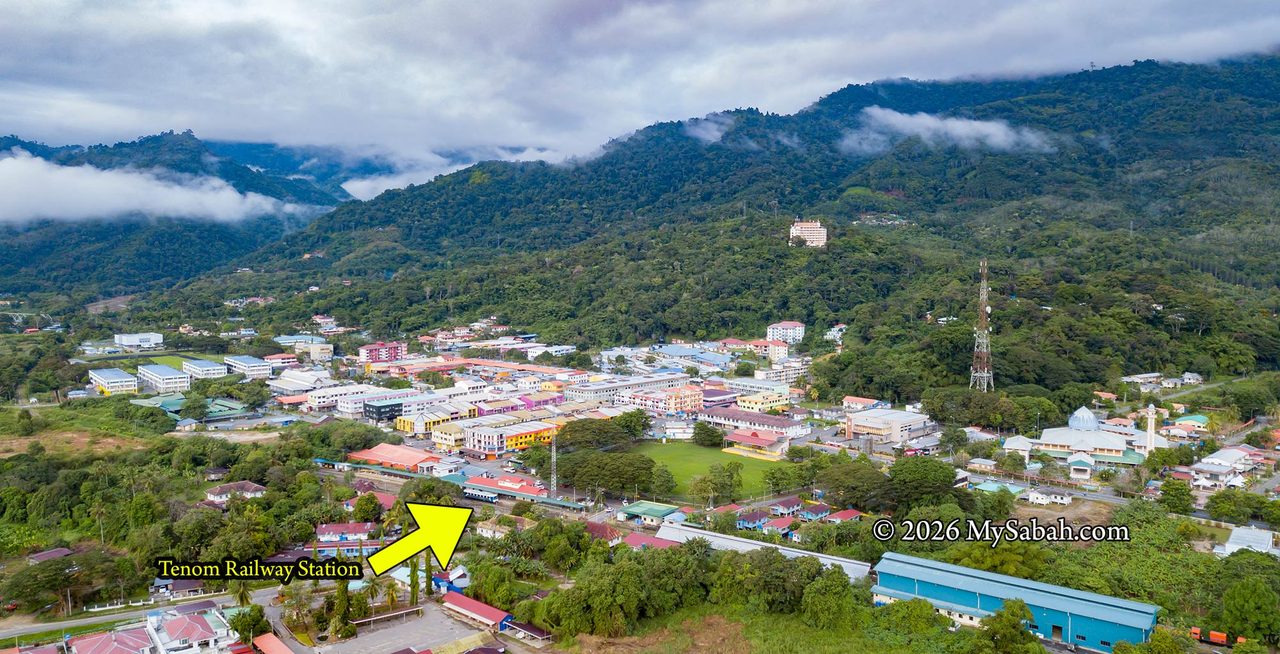
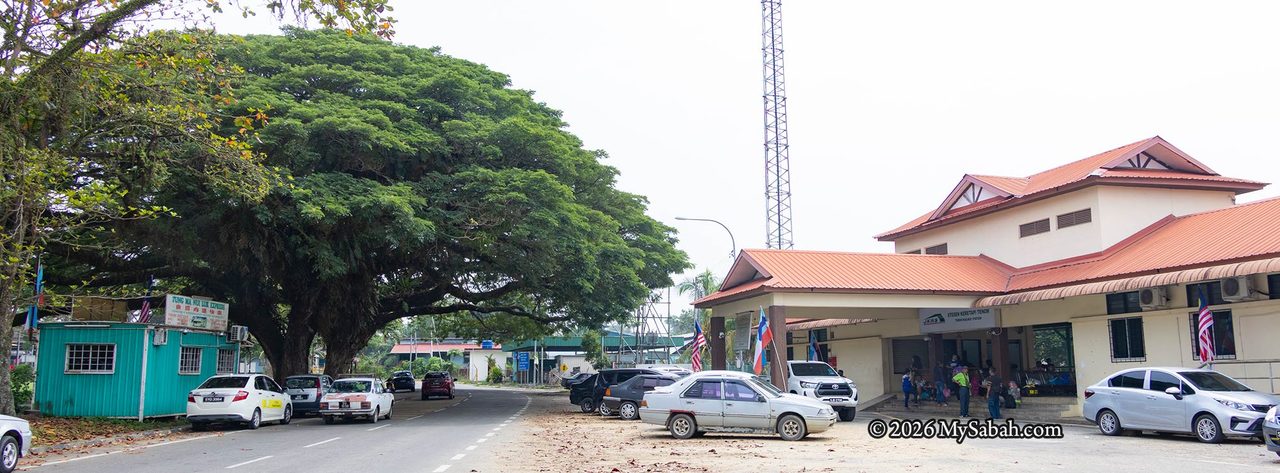
You will arrive at Tenom, the last railway terminal, at around 10:00am. You have approximately 2.5 to 3 hours to explore the town before taking the train back to Beaufort at 1:00pm (12:30pm on Sundays). Tenom Railway Station is conveniently located in the town centre, so you can explore many places of interest within walking distance.
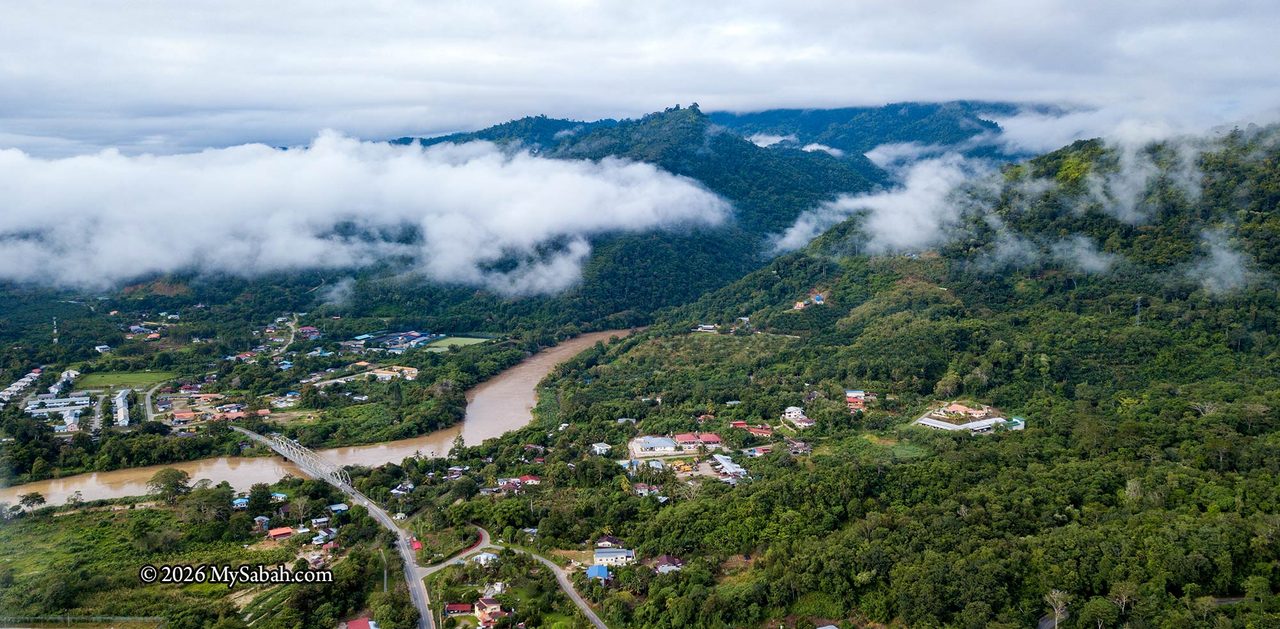
At approximately 200 metres above sea level, Tenom lies in a valley between the Paling Paling Hills to the east and the Crocker Range to the west. Two large rivers, the Pegalan River from the north and the Padas River from the south, flow into and meet in this valley. Whenever the rivers flood, they deposit fresh layers of fertile alluvial soil, helping to make Tenom an important agricultural district.
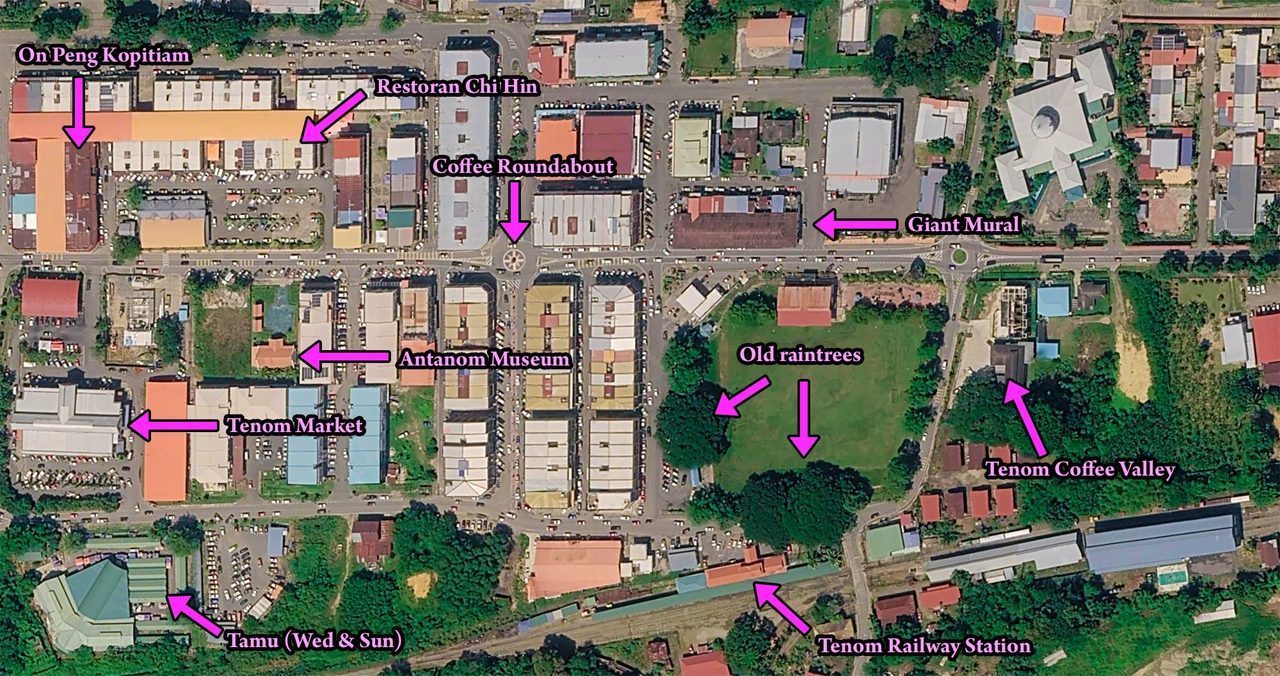
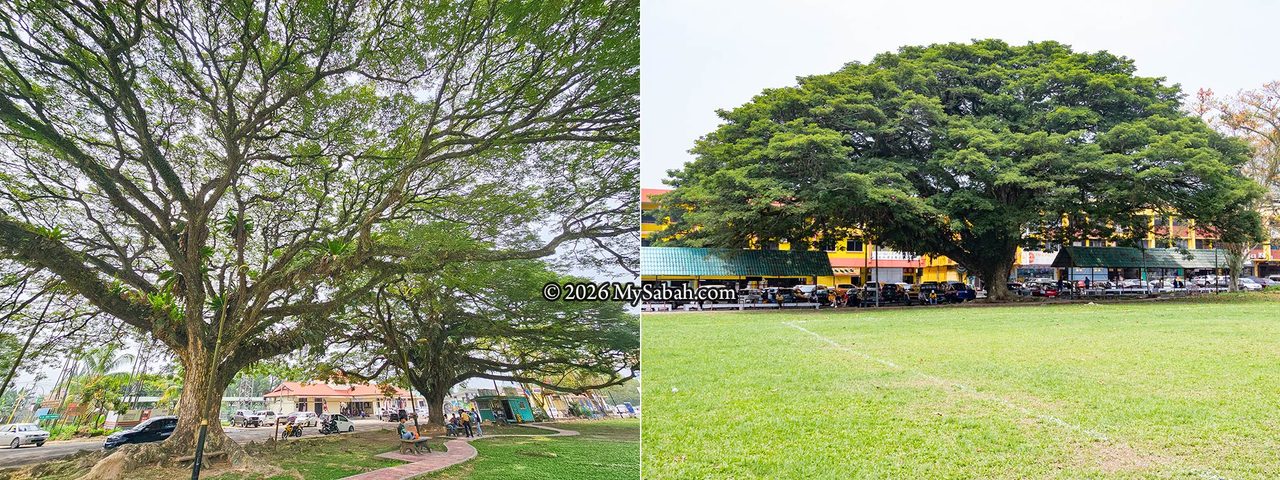
You can check out the big trees in the sports field facing Tenom Railway Station. These trees were planted by the British more than 100 years ago. They are rain trees native to South America (Samanea saman), also known as Five O’Clock Trees (Pokok Pukul Lima), because their leaves fold up in the late afternoon. There used to be a British army camp on this field.
Here are a few places of interest within walking distance:
1) Tenom Coffee Valley
Under the rain shadow of the Crocker Range, Tenom receives an annual rainfall of approximately 1,700 mm, giving it relatively cool nights and a less humid climate than the coastal lowlands.
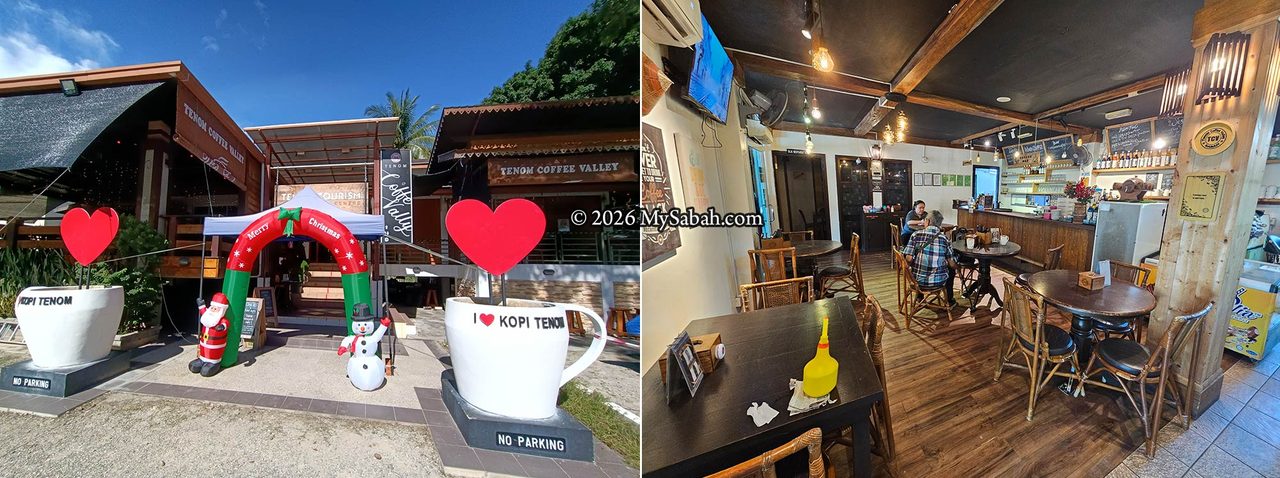
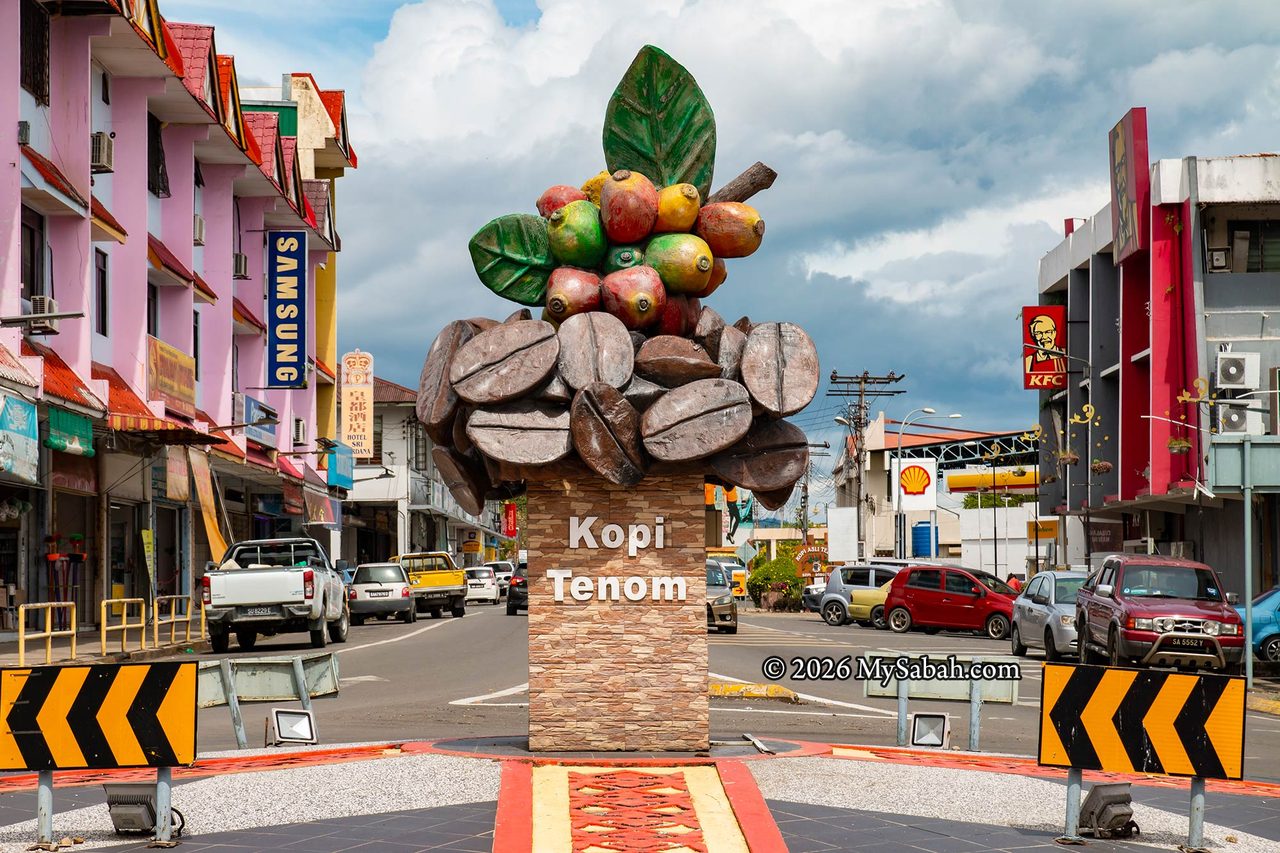
Coffee was introduced to Tenom during the colonial period in early 1900, and the industry gradually developed. Today, Tenom is widely recognised as the Coffee Town of Sabah.
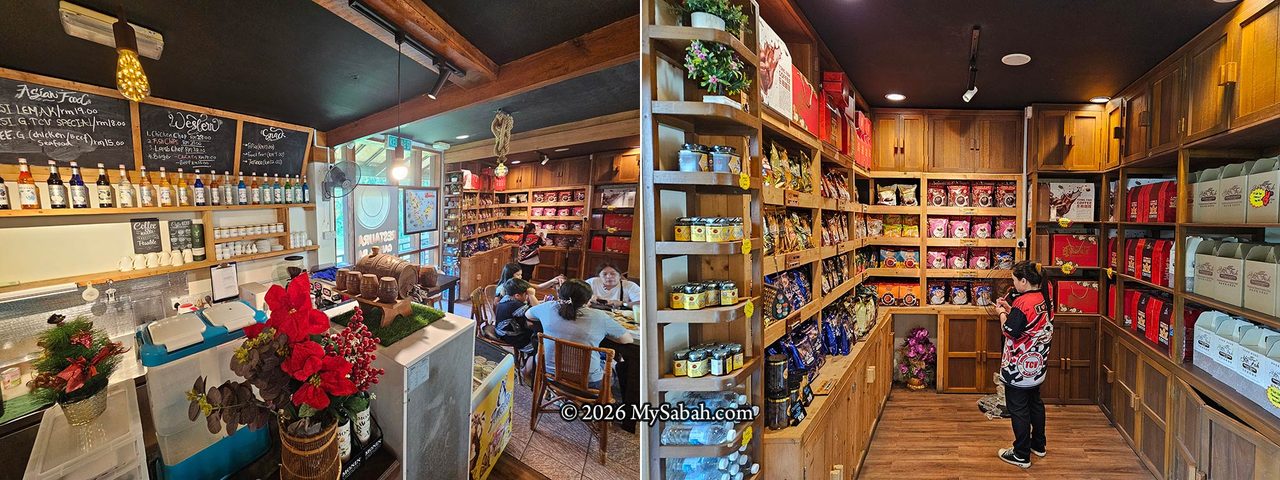
Tenom Coffee Valley is an air-conditioned restaurant where you can enjoy Malaysian and Western food (e.g. fried rice/noodle, chicken chop, pizza), together with a nice cup of Tenom coffee. There is also a coffee corner where you can purchase products from three major Tenom coffee brands: Yit Foh, Fatt Choi and Tong Fah.
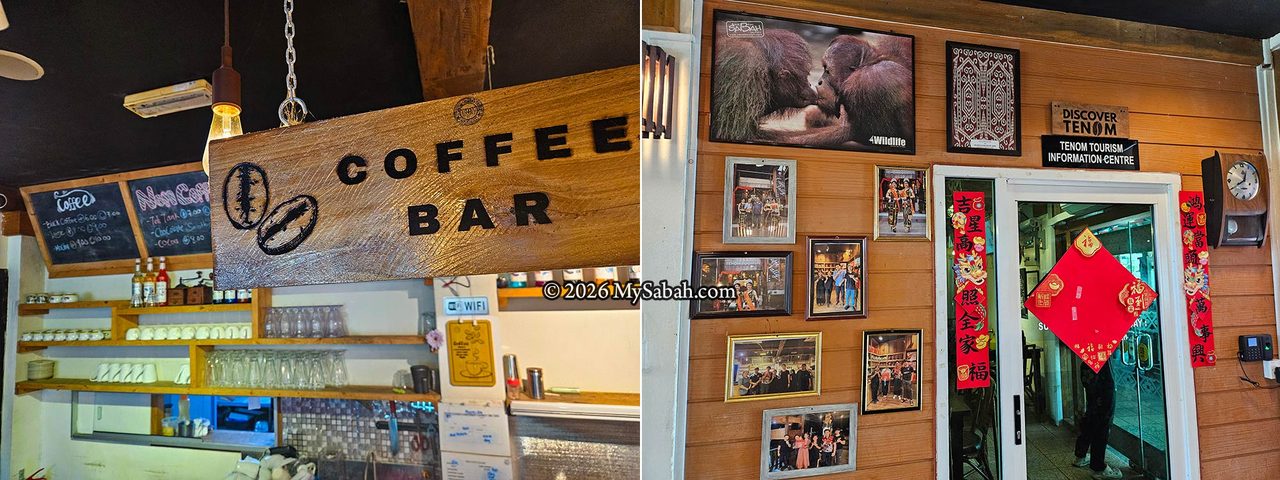
The place also serves as a Tenom Tourism Information Centre, operated by Discover Tenom, a team associated with Naluyan Jungle Lodge Resort.
2) Tenom Market (Pasar Tenom)
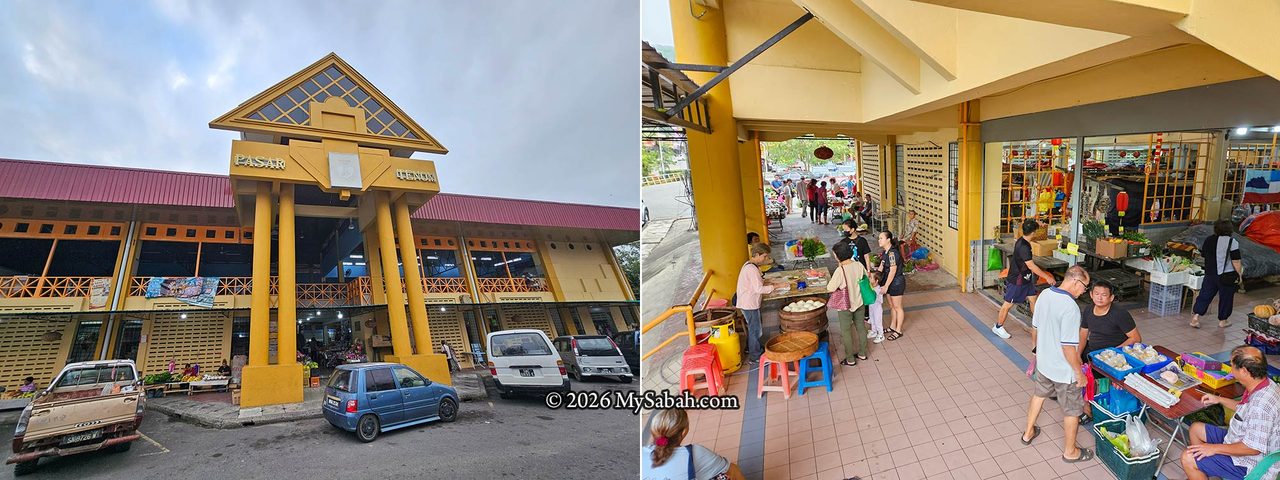
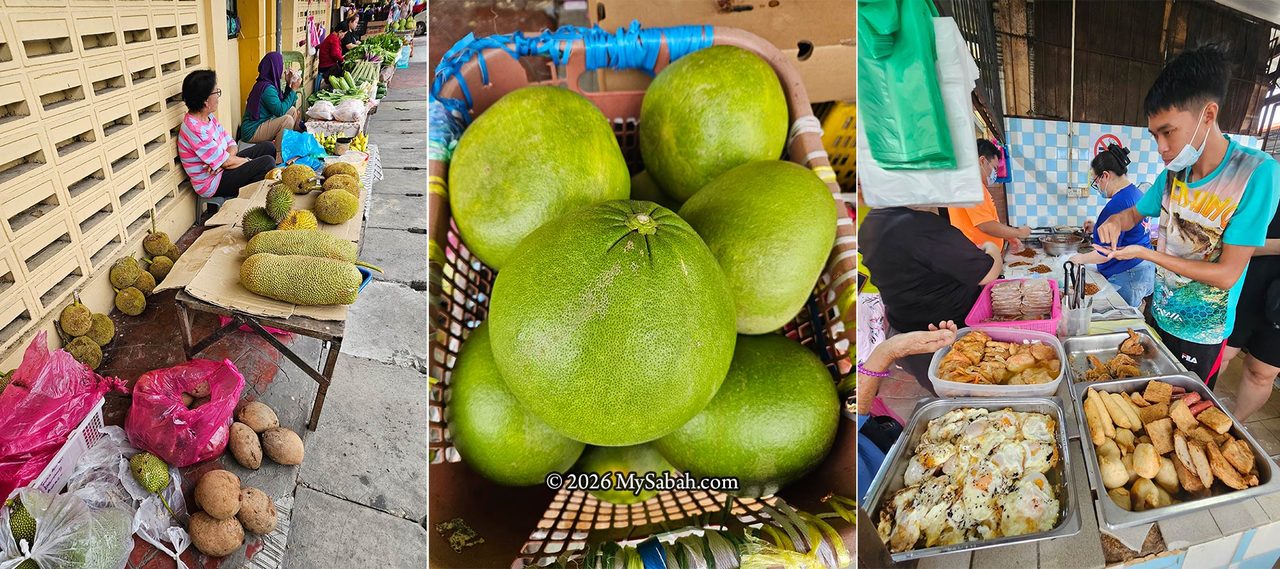
The two-storey Tenom Market (Pasar Tenom) is less than a 10-minute walk from the railway station. You can buy local fruits, vegetables, poultry and various daily necessities on the ground floor. Bring some shopping bags so you can carry your purchases easily. You may want to stock up on pomelos and avocados, two of Tenom’s famous fruits.
One thing I need to warn you about is that you should avoid bringing strong-smelling fruits such as durian, beluno, bambangan and tarap onto the train unless you can seal them properly.
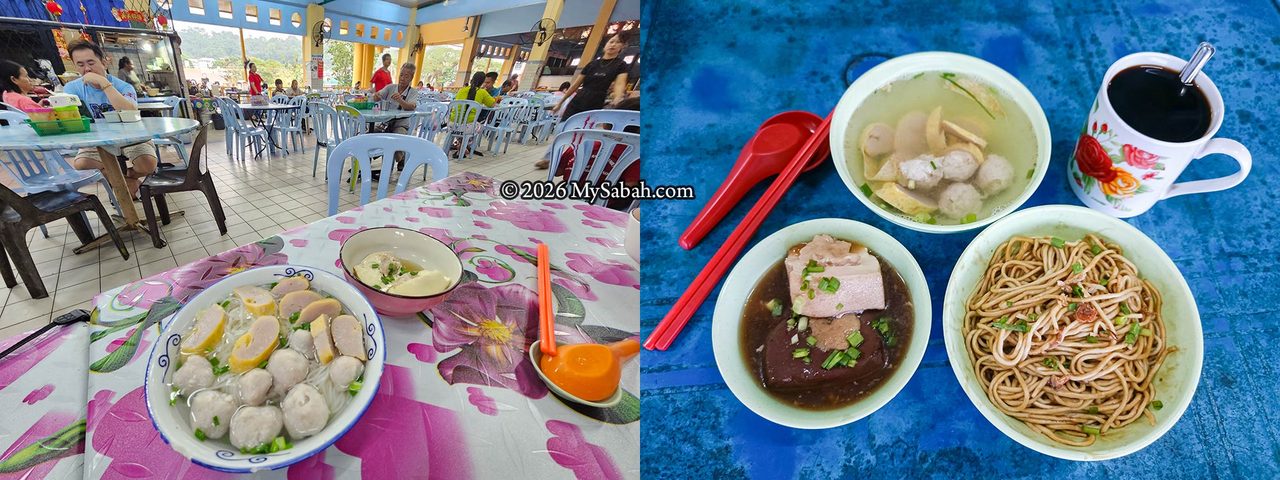
Before shopping and exploring the market, I would suggest going to the canteen on the upper floor to try Tenom’s famous egg rolls, meatballs and stuffed tofu. You need to be lucky, though, because they tend to sell out quickly in the morning.
Chinese residents make up about 8% of Tenom’s population, but you can still see many Chinese traders in the central market and shops around town. Many fruit plantations are owned by Chinese families, particularly Hakka Chinese who migrated here during the early 20th century.
3) Tamu Market (Wednesdays and Sundays Only)
You can drop by the tamu market behind the central market. Tamu is a traditional weekly or twice-weekly market where local communities gather to sell their produce. It truly reflects the culture of Sabah. The sellers at Tenom’s tamu are mostly Murut, who make up the largest indigenous community in Tenom.
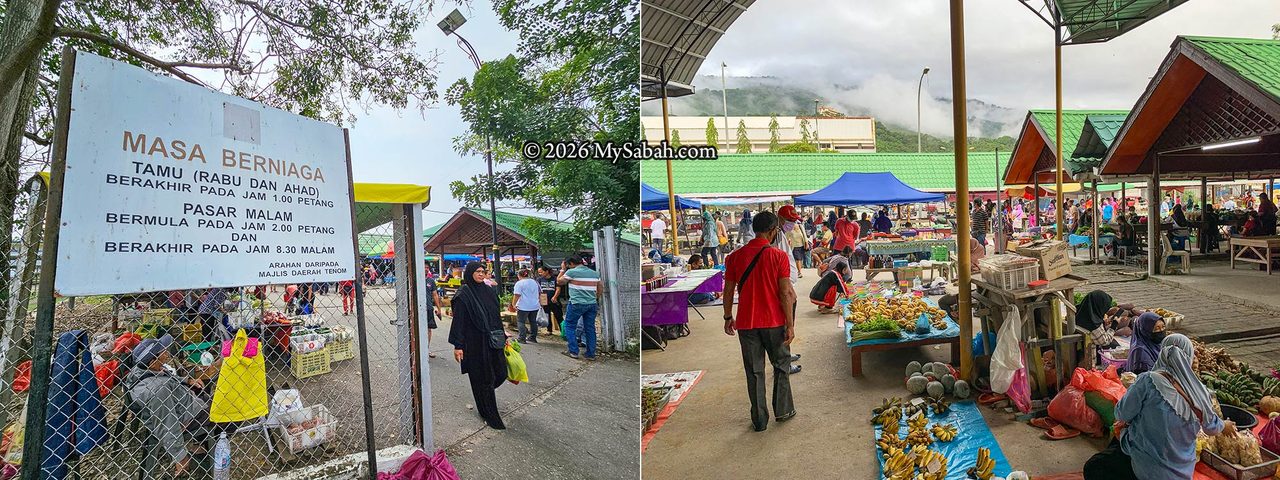
You will find many interesting and unusual items there, from native fruits, vegetables and freshwater fish to dried seafood, snacks, local herbs and traditional fermented foods in jars, such as bambangan and bosou.
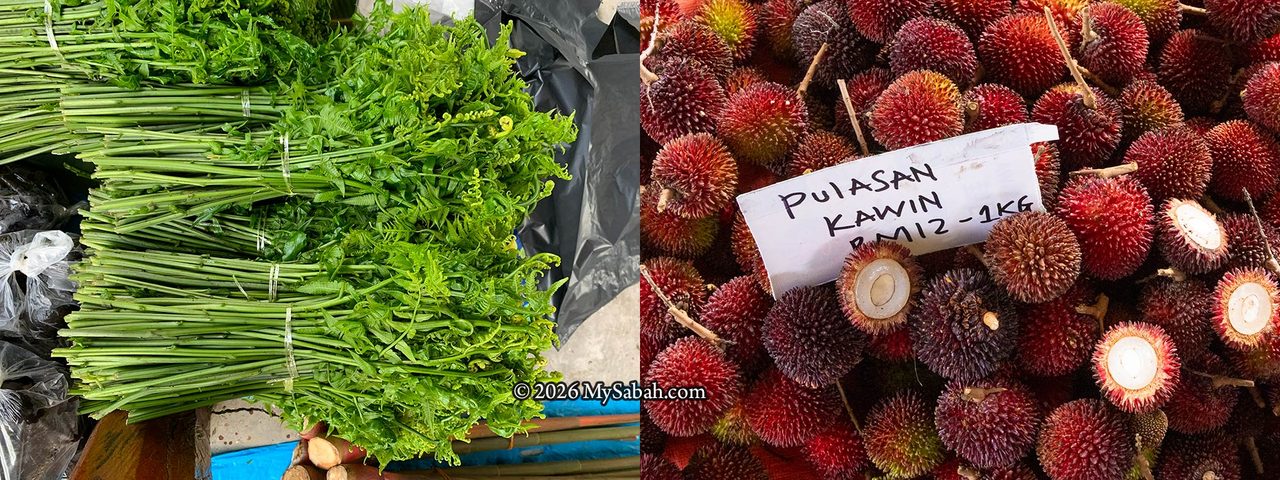
Feel free to test your bargaining skills! Please note that the tamu usually winds down around noon, so don’t leave your visit until too late.
4) Corn-Fed Chicken and Tora Pork Belly
For lunch, you can try the famous corn-fed chicken and tora pork belly of Tenom. Corn-fed chicken is a Tenom signature dish, using older maize-fed chickens for their golden skin and firm, flavourful chew.
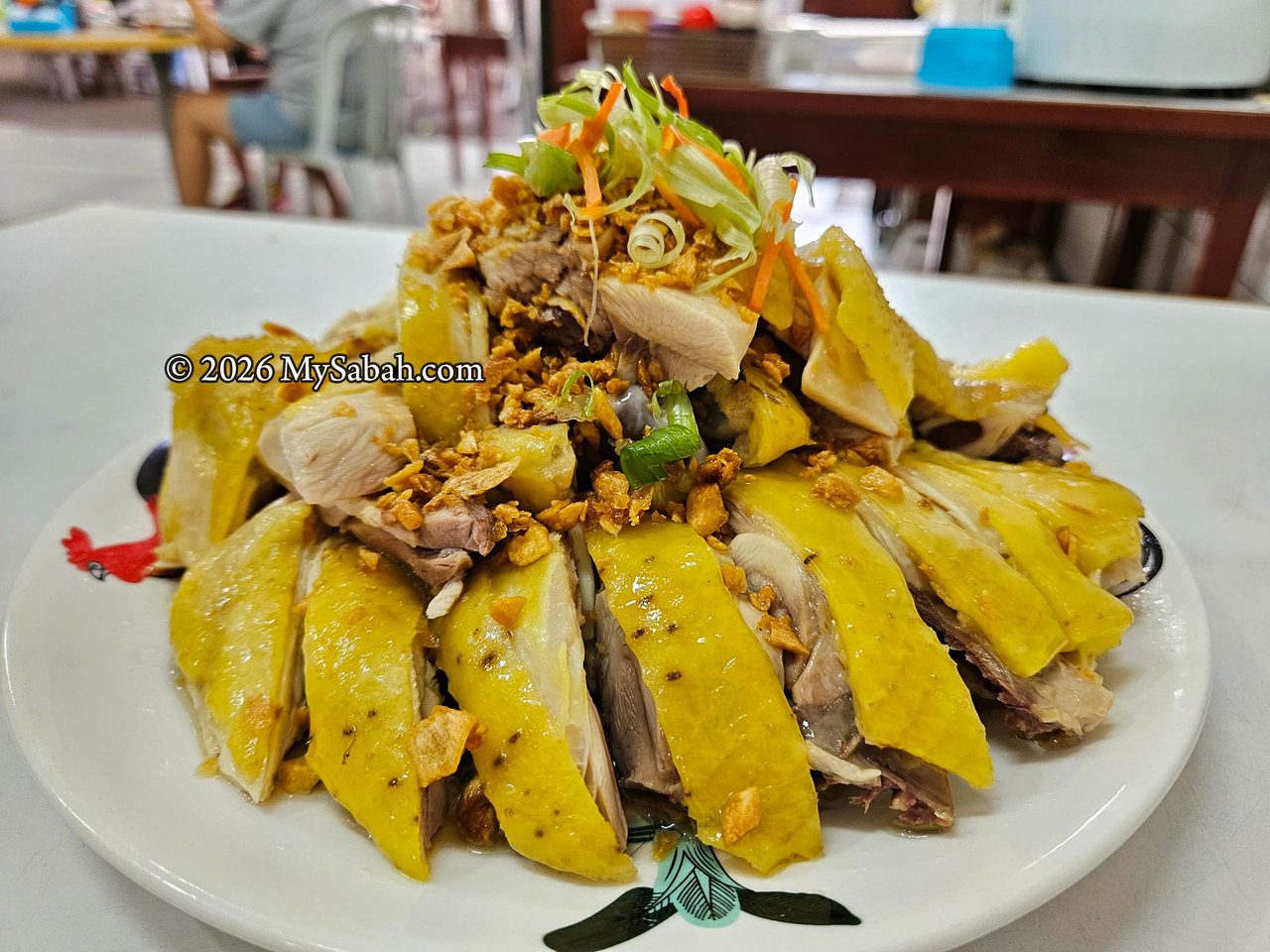
Two recommended kopitiam are Restoran Chi Hin (志兴茶餐室) and On Peng Kopitiam (安平).
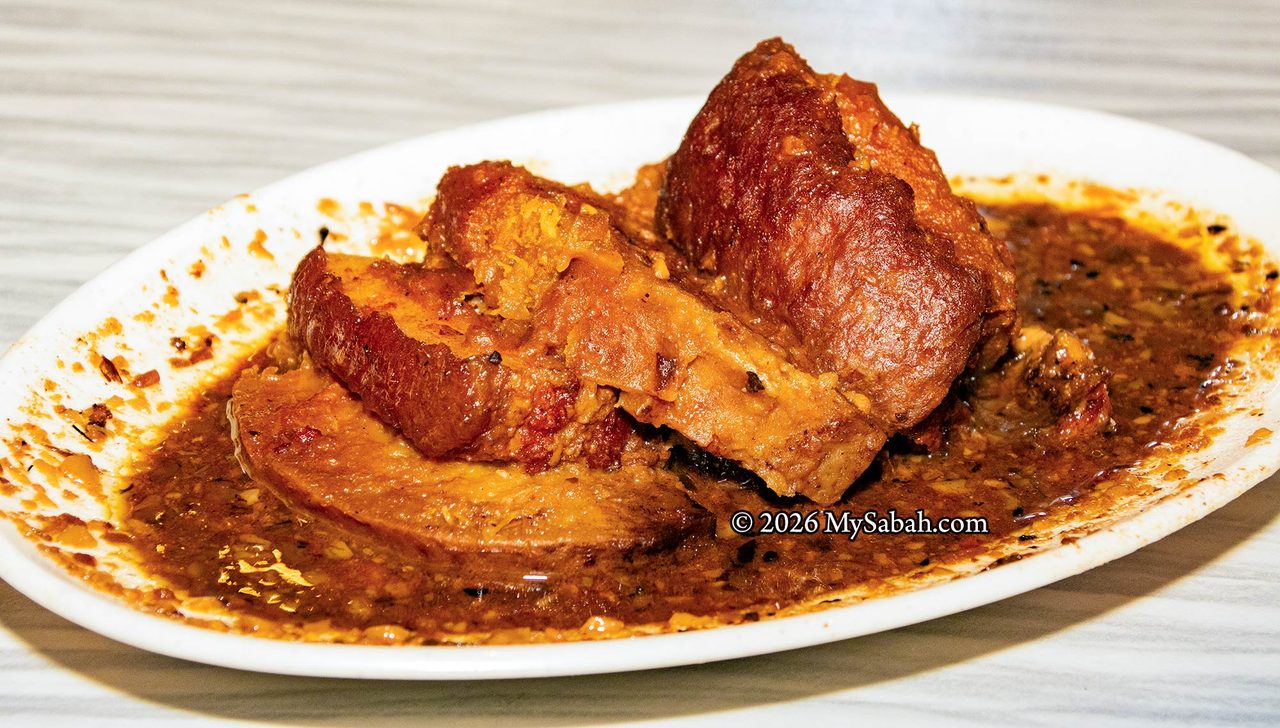
Taro pork belly consists of alternating slices of pork belly and taro, fried and steamed until tender. The soft, fatty meat and starchy taro form a perfect combination of taste, mouthfeel, and aroma.
5) Muzium Antanom (Antanom Museum)
Antanom Museum is named after Ontoros Antanom, a Murut hero who led 600 to 700 warriors in a rebellion against British colonial rule in 1915 at Rundum, Tenom. It is a small museum with galleries covering the history of headhunting, the Tenom railway and the town itself.
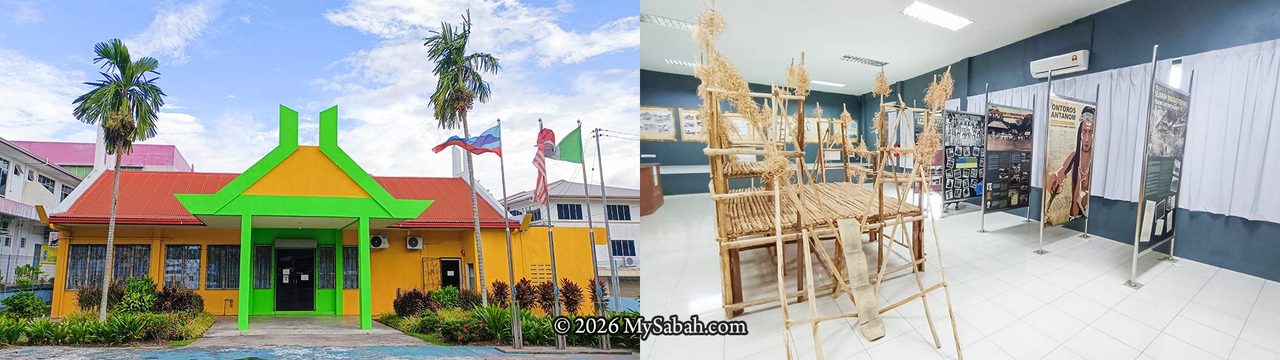
You can see historical artefacts such as headhunting swords, blowpipes and baskets, as well as old photographs documenting the Murut people, the railway and Tenom.
6) Tenom Landmarks
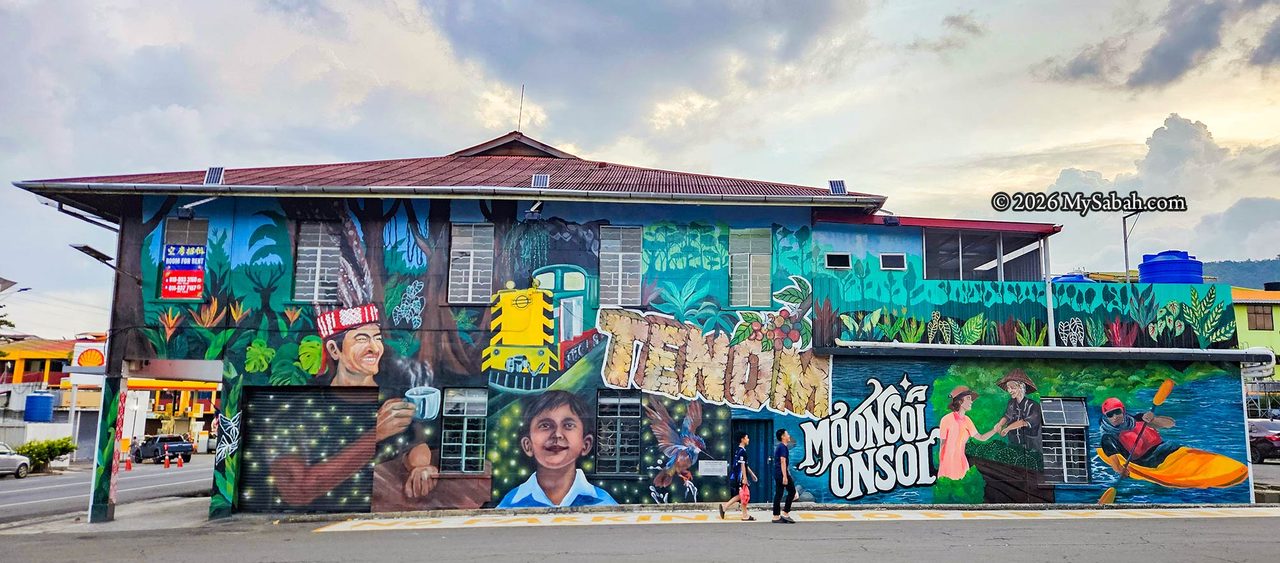
When walking back to the railway station, you can take photos at the Coffee Roundabout and the giant Tenom mural, which depicts some of the town’s signature features. Do buy some Tenom coffee before heading back to Beaufort.
Without your own car, exploring attractions further away from town can be challenging. Some places worth visiting include Yit Foh Coffee Park, Yong Farmstay, Padas Farmstay, Murut Cultural Centre and Tropical Fruit Farm. You can arrange tours or transportation in advance through Discover Tenom, which operates from Tenom Coffee Valley.
I think it is worthwhile spending a night or two in Tenom if you want to experience more of the district. For more ideas on fun activities, read my other article here.
To end your day trip, take the train back to Beaufort at 1:00pm (Monday to Saturday) or 12:30pm (Sunday). The ticket fare is the same (RM2.75) as your journey to Tenom.
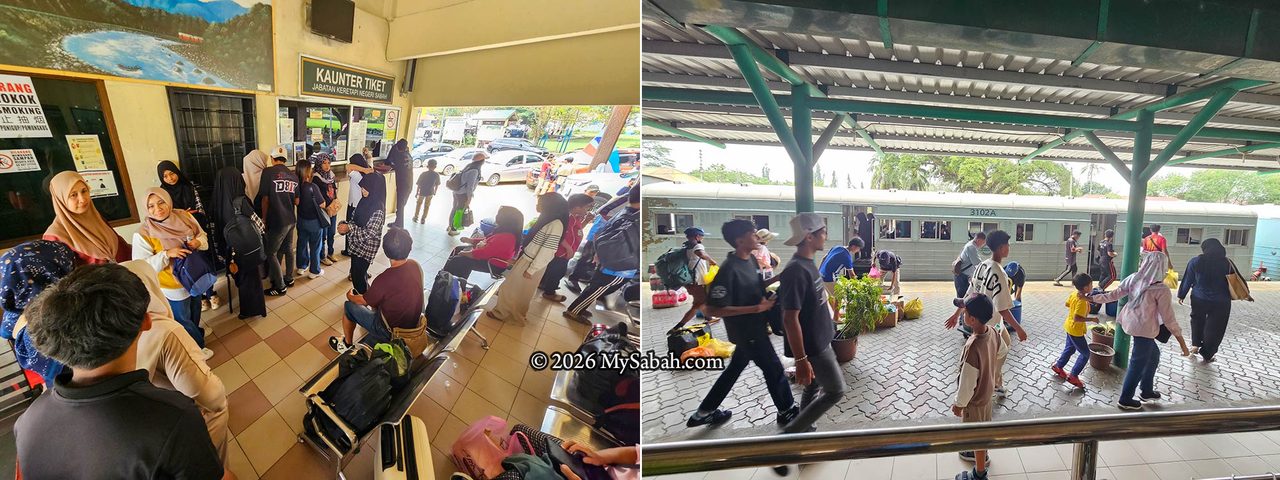
This time, you may want to sit on the left-hand side for the best window view. It gives you another opportunity to photograph the scenery you might have missed during the first ride.
Passenger Carriage vs Goods Wagon
Always sit in the passenger carriage if you want a safe and comfortable ride. You may have seen some influencers taking videos of themselves and other passengers riding in the goods wagons, making it look like a fun experience.
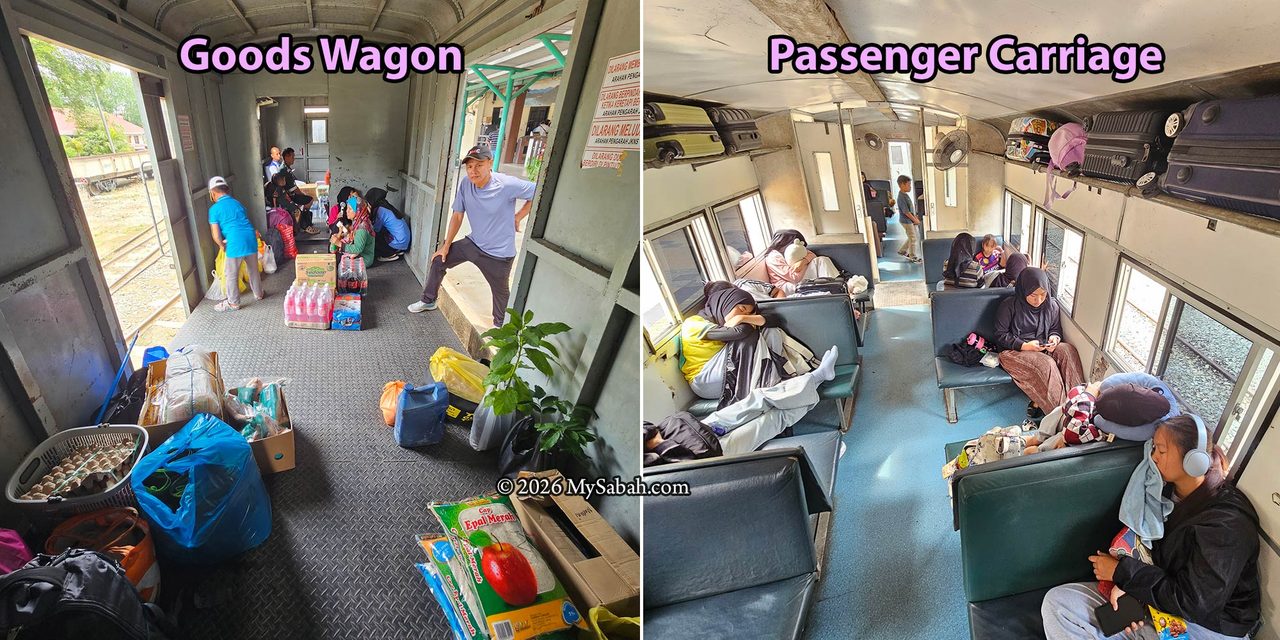
However, goods wagons are designed for transporting cargo, not passengers. Seating is very limited, so you may end up sitting on the floor among piles and stacks of goods. The wagon doors are also left open, which poses a safety risk, especially for children who might move around carelessly.
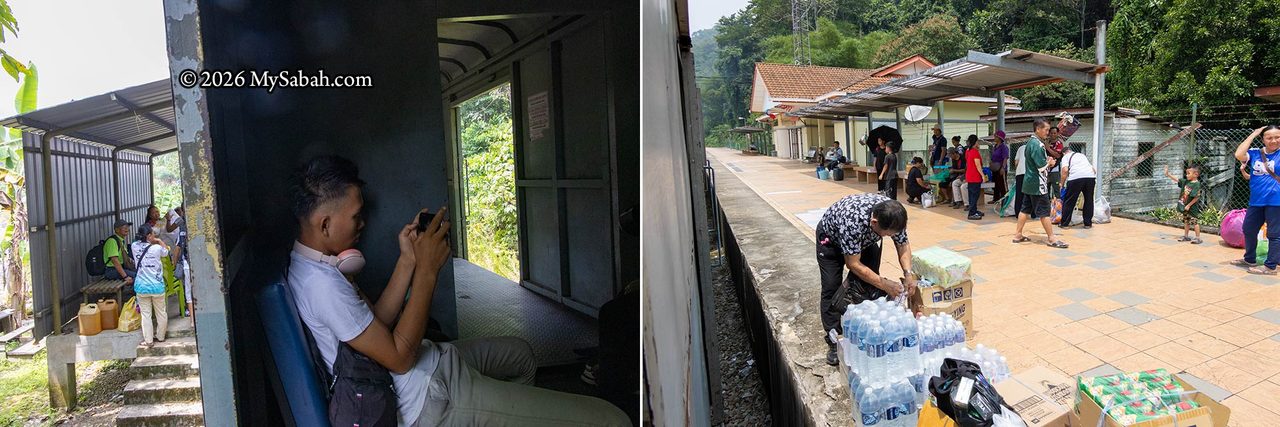
If you can tolerate these inconveniences and understand the risks, you may give it a try. However, I would strongly recommend using the designated passenger carriage.
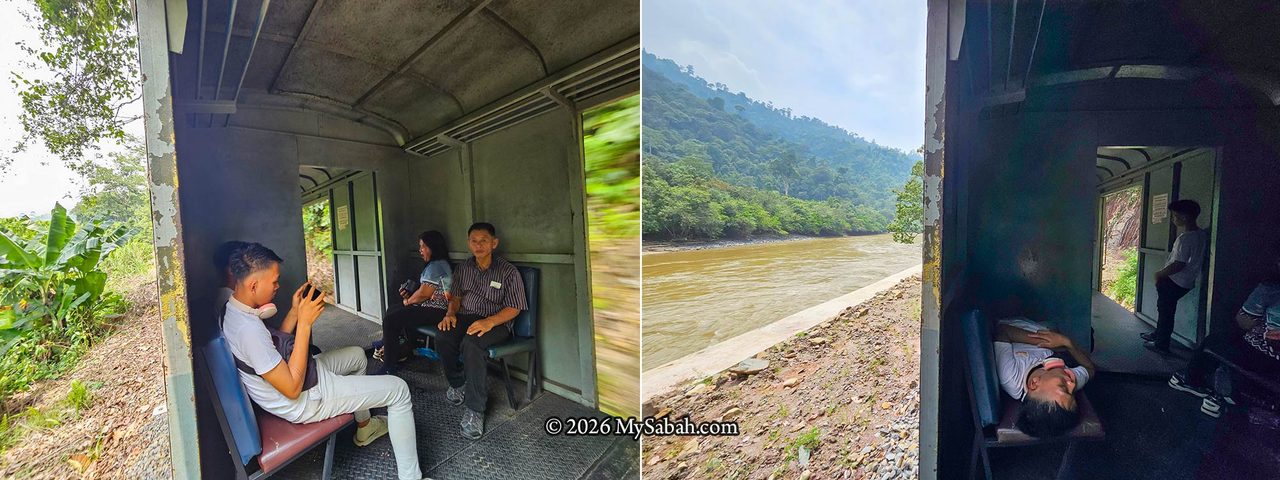
One more tip: remain seated while the train is stopping. Don’t stand up too early. The train may appear to have stopped completely, but the carriages behind can still jerk forward as the couplings tighten and the wagons bump into one another.
Beaufort Town
You should arrive back in Beaufort at around 3:00pm or 3:30pm. There’s no need to rush back to KK just yet.
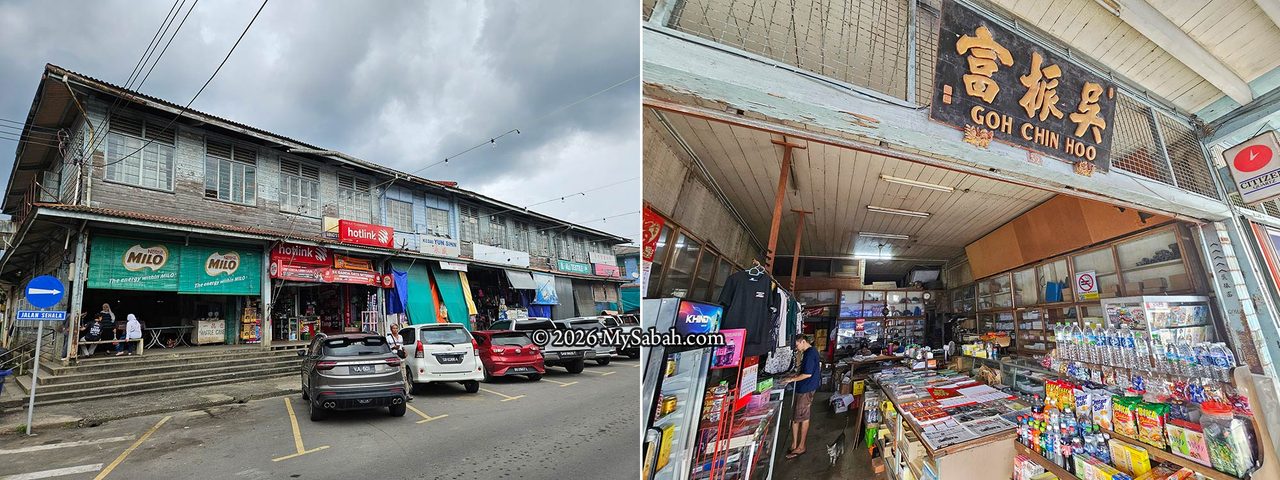
You can walk around the town centre to admire its old wooden shophouses, some of which have survived for generations. You can also try the popular Beaufort Mee, a local-style fried noodle dish that is famous in Sabah.

It is a nice way to end your railway adventure before driving back to Kota Kinabalu.
Photos taken in Tenom and Beaufort, Sabah, Malaysia Borneo