 by
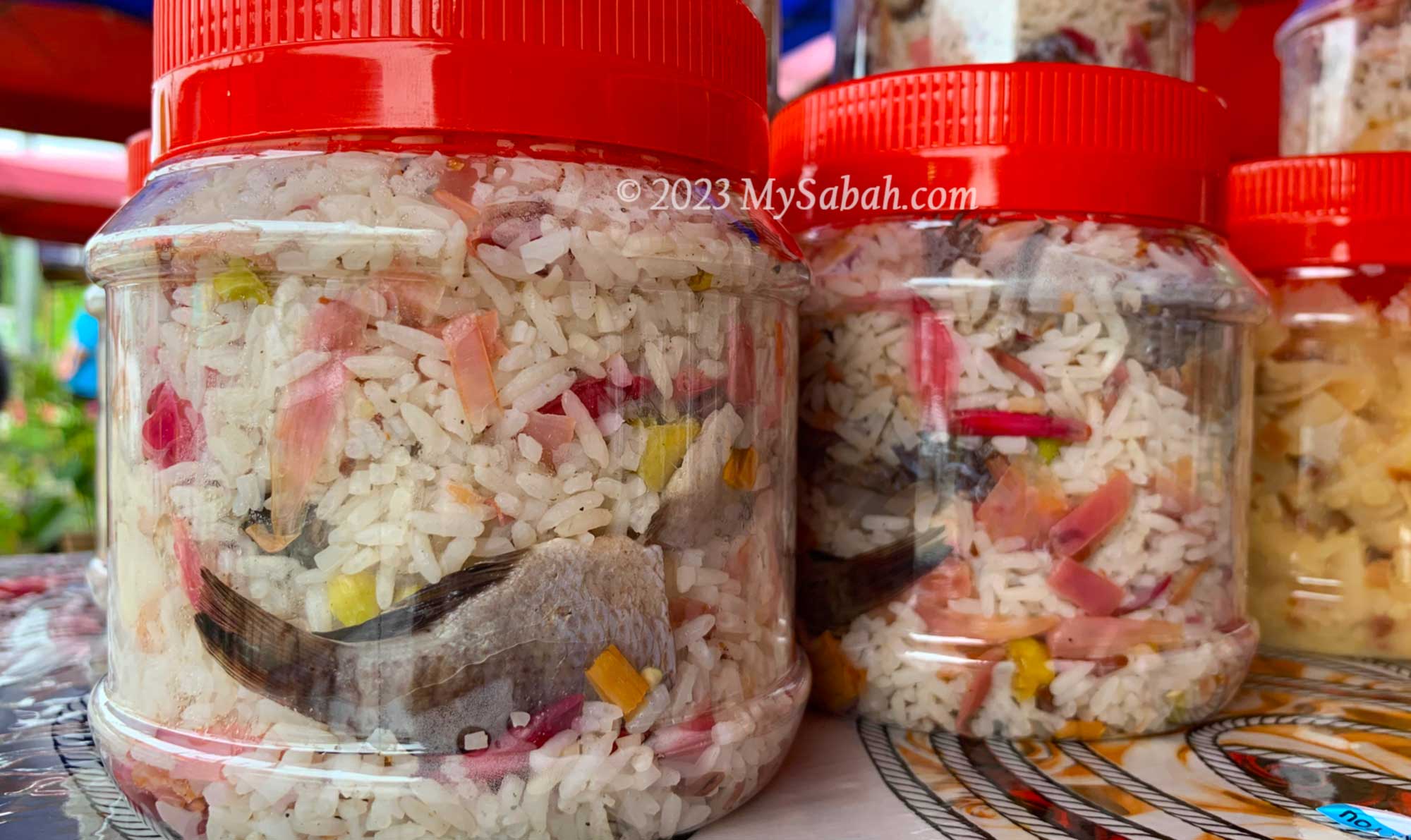
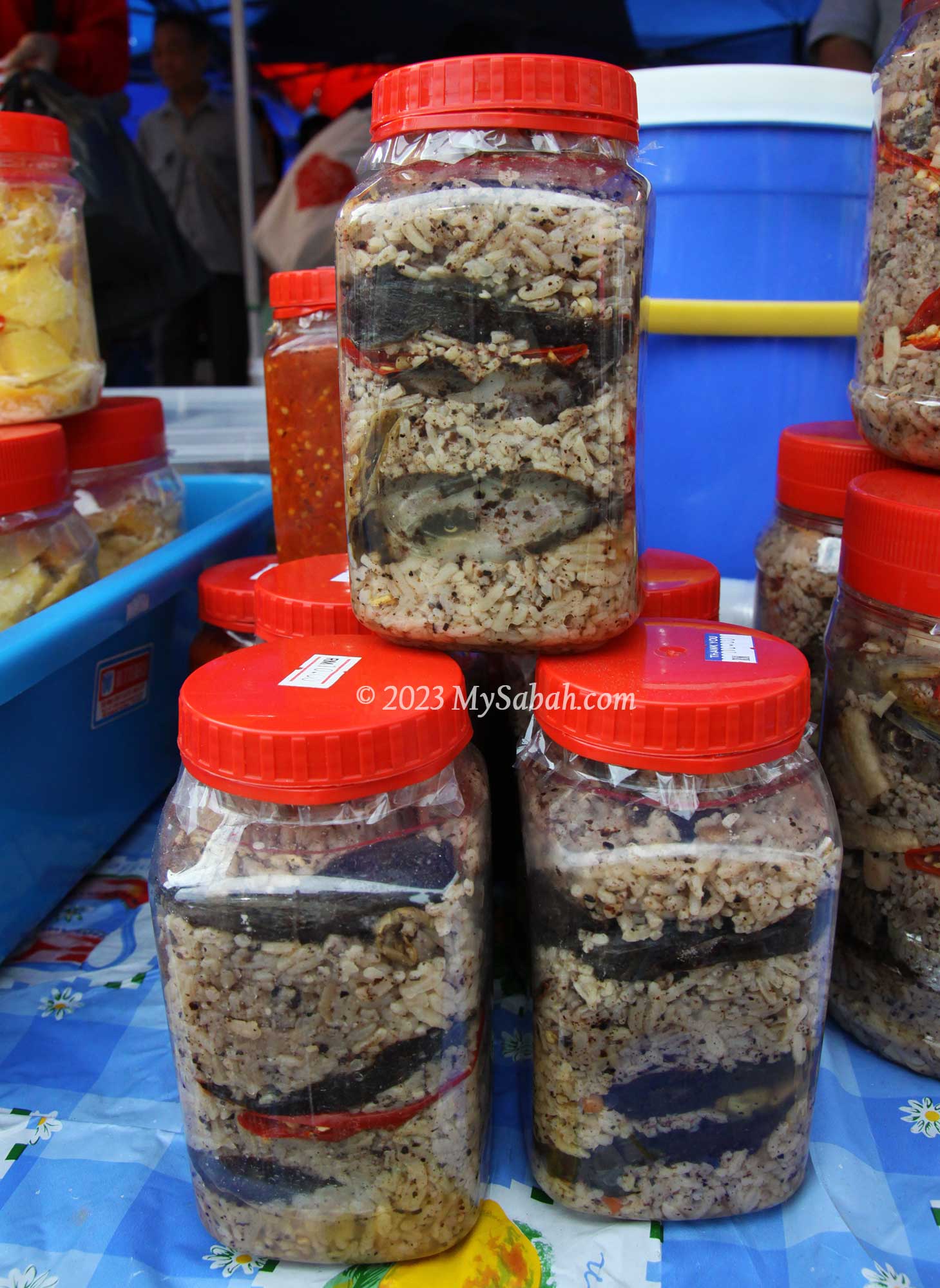
by Nonsom, also known as Bosou, is a popular traditional preserved dish of the Kadazandusun people, the largest indigenous group of Sabah. This unique delicacy is made by mixing raw fresh water fish (e.g., Pelian (Mahseer), Tilapia) and cooked rice, and pickle them by salt and pangi (a local herb commonly used as preservative). The mixture is then carefully stored in an airtight glass or plastic container, allowing it to ferment for two weeks.
Similar to other preserved traditional foods, Nonsom / Bosou has a distinctive salty and tangy flavor. It can be eaten raw or served with white rice and even fried noodles, but is more typically cooked with other meats and vegetables. To enhance its aroma, consider sautéing the Nonsom / Bosou with diced garlic, a sprinkle of pepper and olive oil. Bosou should be eaten like a condiment, as it is very sour and salty.
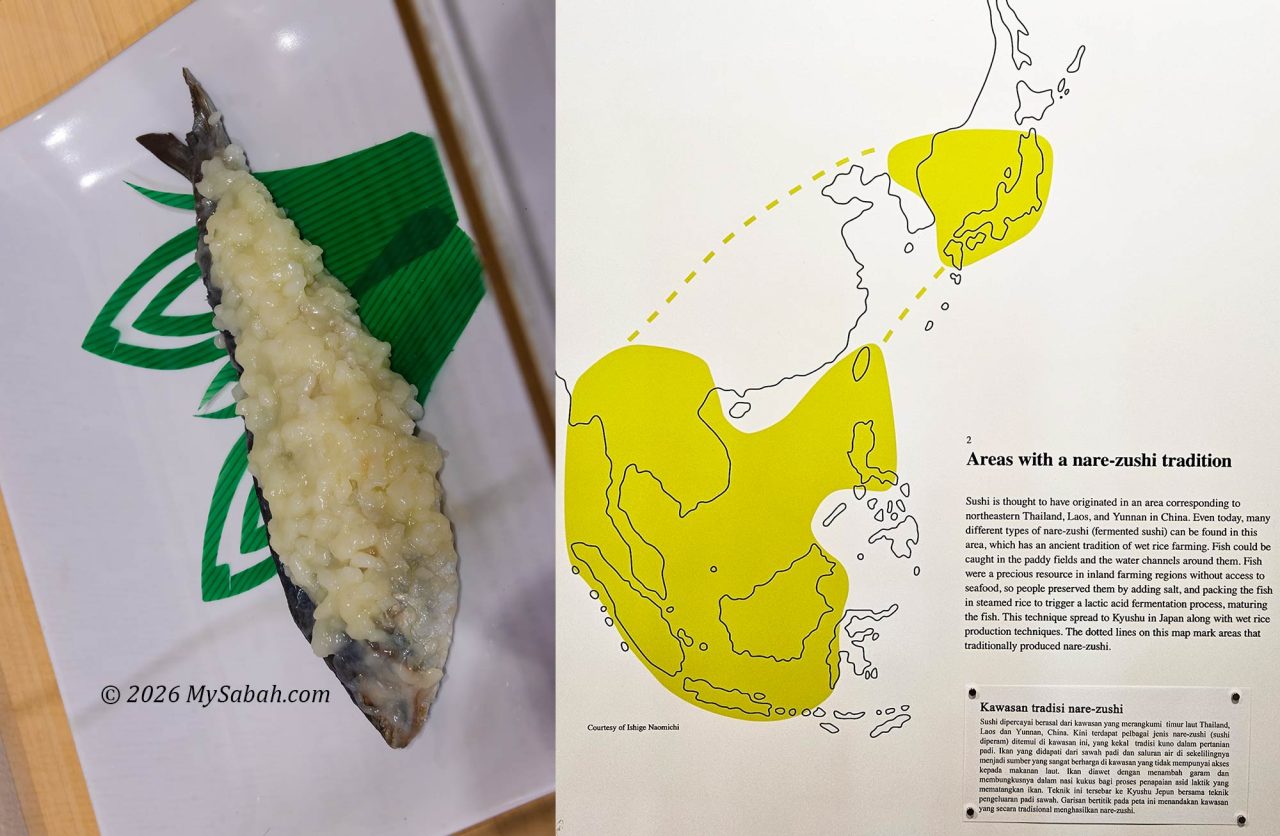
When you mix raw freshwater fish (like tilapia or pelian) or vegetables with cooked rice, salt, and crushed pangi fruit, the bosou undergoes a natural process called lacto-fermentation, which cultivates beneficial bacteria. These bacteria consume the carbohydrates in the rice and produce lactic acid, creating an acidic environment rich in antimicrobial compounds that kill harmful foodborne pathogens.
Like Korean kimchi, German sauerkraut, and high-quality yogurt, the bacteria found in this fermented food are fantastic for gut health. However, to get the maximum probiotic benefit, bosou is best consumed raw, as cooking heat kills the live bacteria. Even if cooked, though, you still benefit from the postbiotics, the healthy compounds the bacteria leave behind.
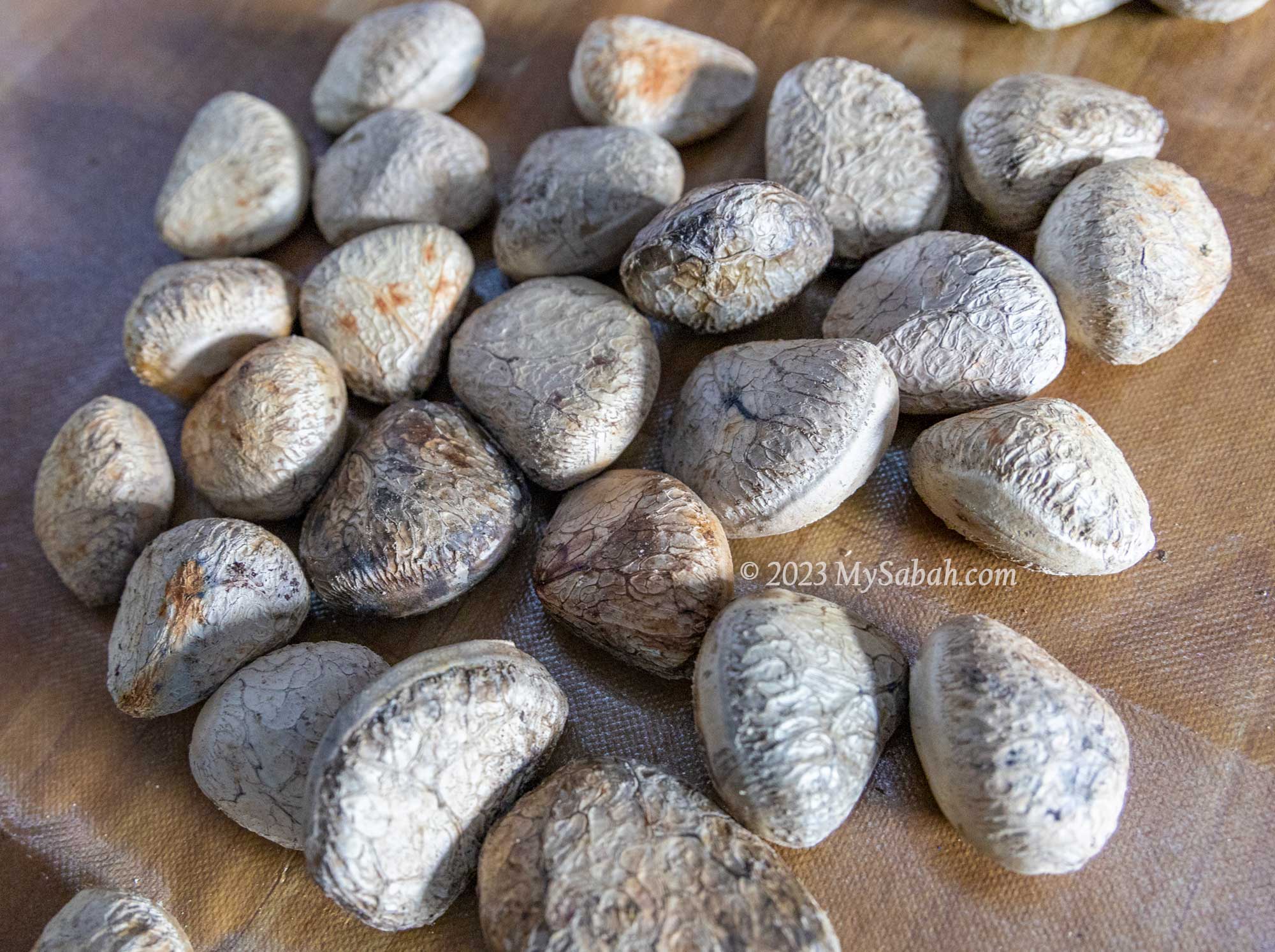
However, pangi is not used in the preparation of bosou by the Murut, the third largest indigenous group in Sabah, Malaysia. Most of the Murut population lives in the hilly interior regions of the state.
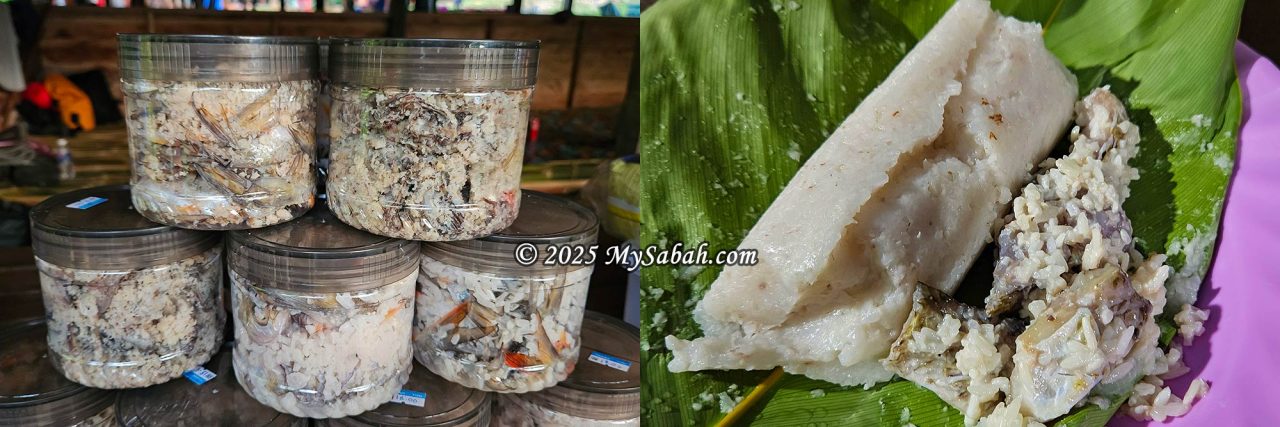
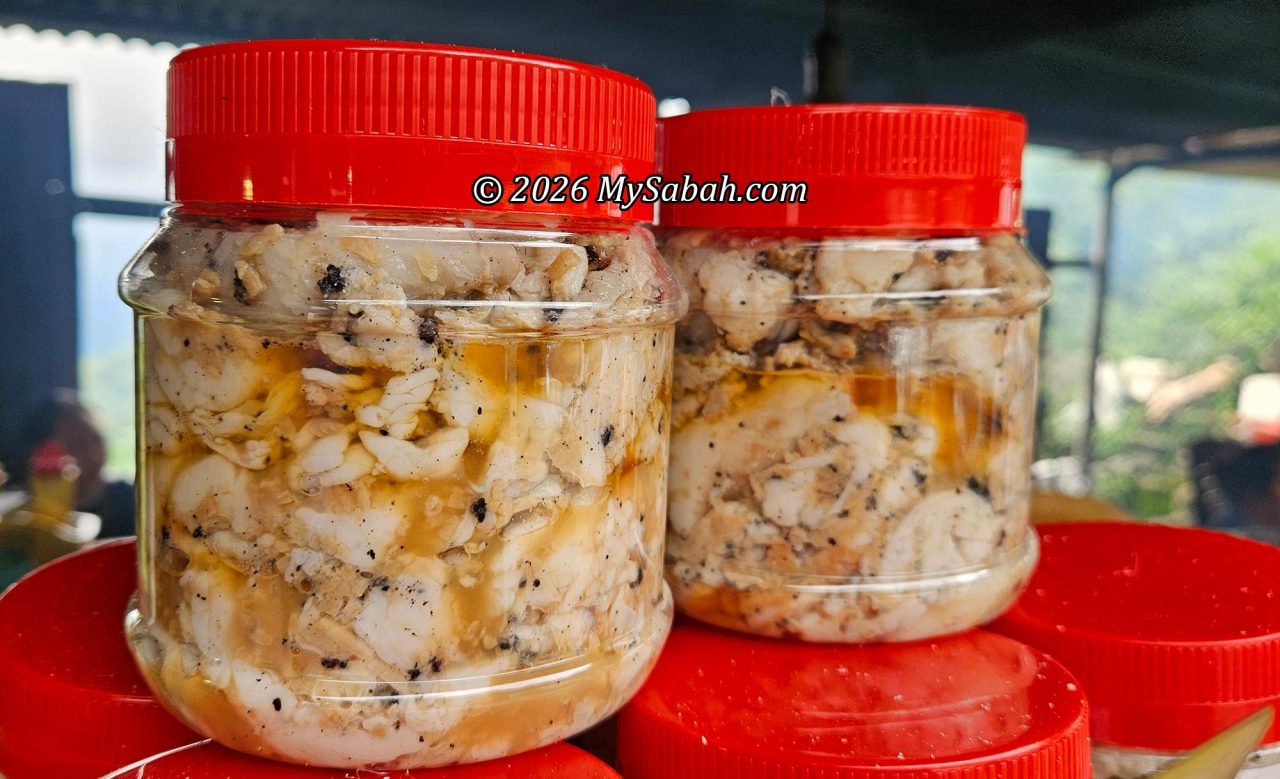
I’ve tried raw Bosou Ikan (fermented fish) and Bosou Bakas (fermented wild boar) prepared by the Murut people from Pensiangan and Sapulot, respectively. The Bosou Ikan tastes like salty fish with a chewy texture and a slight fishy smell. The fish used are mainly freshwater species from nearby rivers.

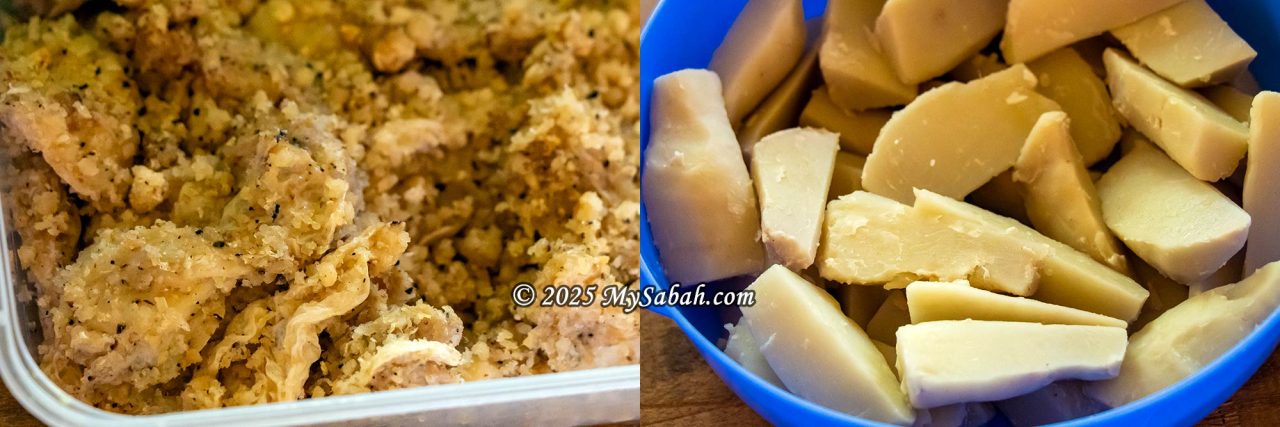
For Bosou Bakas, it’s made from the wild boar they hunt in the forest, it’s also springy and a bit sour. They eat it with boiled taro. Actually both go quite well together, I like this starchy and meaty combination.
Photos taken in Sabah, Malaysia Borneo

Oh, come on! It wouldn’t harm you to try it. It’s actually called ‘bosou’ by the Kadazan Dusun. I’ve been eating this since childhood and no harm done to the system, in fact we serve on kaamatan or bambarayon. You should try it.
yes, i think i should give it a try.. :-)~
make sure u take photos of before and after facial reactions, should make an interesting post.
They should export this stuffs to our area in Tawau, I’ll try, it looks great to me. Great pictures taken!!
They should export this stuffs to our area in Tawau, I’m sure most of Malay people will love it.
I tried worst than this one. ummmmmmm…