 by
by Sabah has over 32 indigneous groups, and each ethnic would have 5 or more sub-ethnic, so many that even Sabah Cultural Board can’t tell who they are by looking at the custom (I asked them before). Murut means “Men of the hill,” the 3rd largest indigenous groups in Sabah, they are usually farmers and hunters live in interior area. Murut are people also found in Sarawak and Kalimantan.
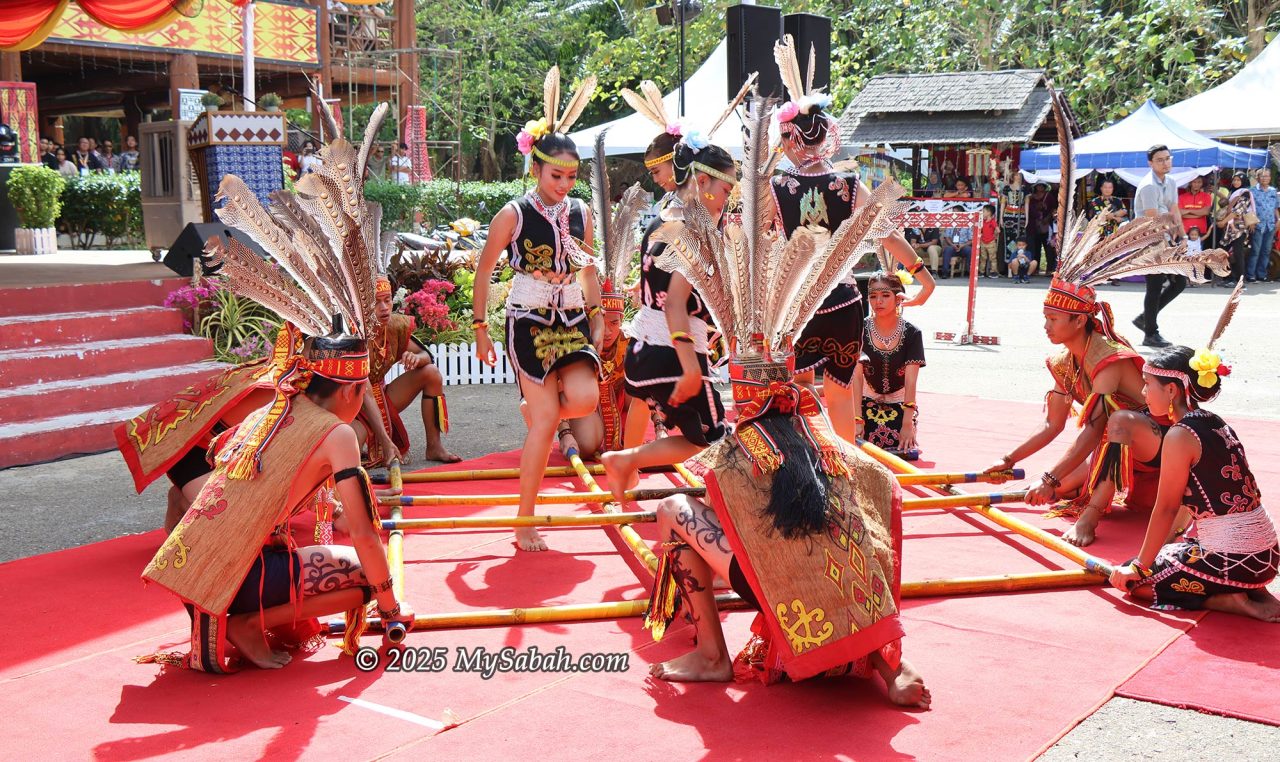
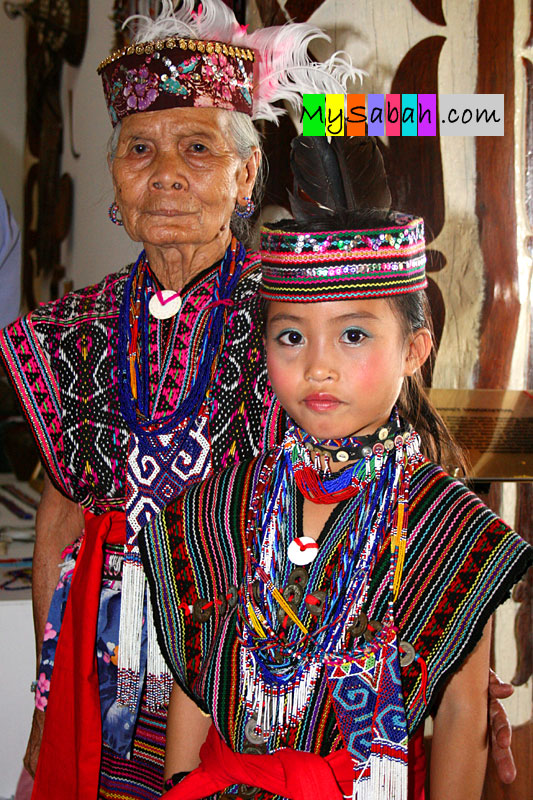
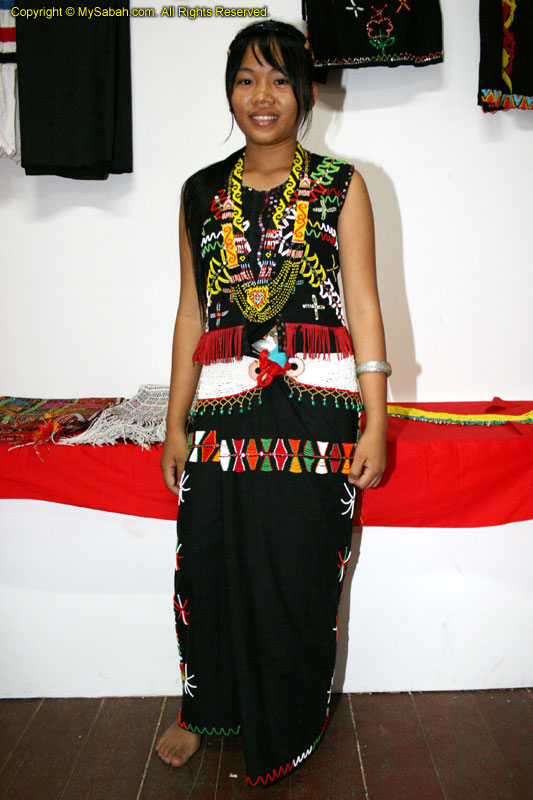
(Photo below is Murut Baukan)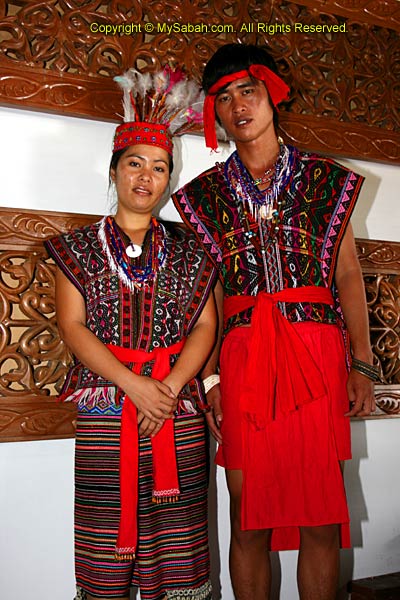
Kalimaran Festival is an annual state-level celebration for Murut culture in Murut Cultural Centre, which is made of Belian wood (hardest tropical hardwood timber), at Kampung Pulong, about 13km from Tenom town. To marry a KadazanDusun girl, a few buffalo is enough. However, to marry a Murut girl, you would pay the dowry for life. This festival is the best time to see the demo of Tinauh, the Murut wedding ceremony that would last for week, the biggest of all indigenous races in Sabah. For demo, they only show it in a day.
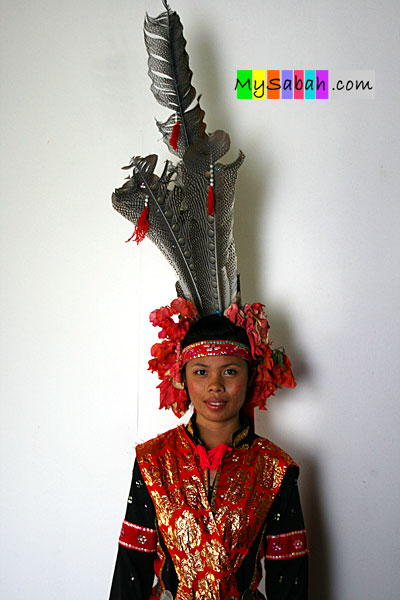
Photo below is Murut Nabai. The Paluan, Nabai, Gana and Baukan sub-ethnics live in Keningau, Sook and Bingkor along the shores of the Pegalan River. The Murut Tagol (Taghol) is the biggest group and stay in Nabawan, Sook and Kemabong.
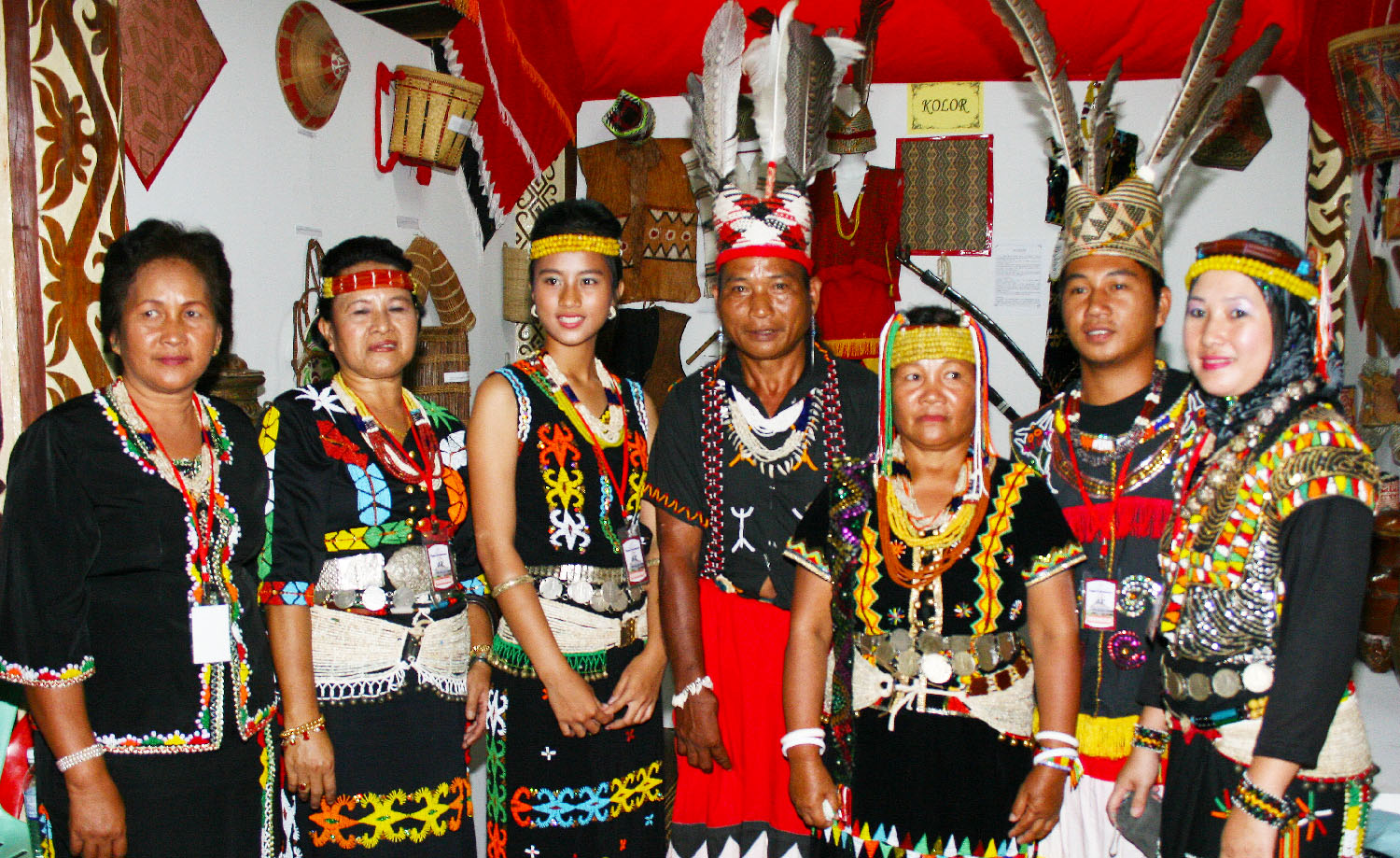
Murut has about 8 sub-ethnic (correct me if I am wrong). This year I only paid a brief visit (sigh… I missed the Miss Kalimaran beauty pageant). This year they have (sub-ethnic) Taghol, Timugon, Nabai, Kolor, Paluan, Sabakong, Gana, and Baukan (Bookan) to introduce their cultures and customs. Though all Murut sub-ethnic groups share a similar culture, they can look very different from one another.
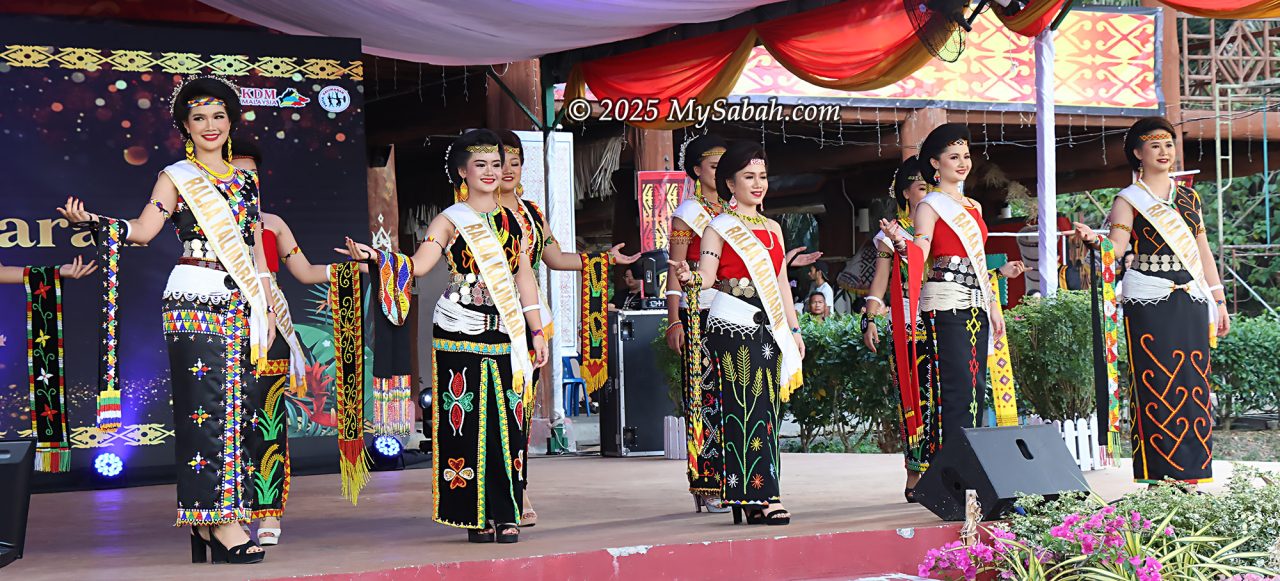
Kalimaran means craftsmanship of the Muruts, as they produce very impressive beadwork and other crafts. Ralaa means young lady, and alimar means hardworking, strong-minded, diligent, and trustworthy.

What’s Kalimaran?
Kalimaran refers to craft-based artistic activities practiced by the Murut ethnic group. Traditionally, men create handicrafts such as intricately carved machete sheaths and handles. They also craft hunting tools such as blowpipes, spears, and carved implements like bayoh, kulipit, and barait, as well as fishing tools such as nets, fish traps (saluin or bubu), and many others. All of these are collectively known as KALIMARAN.
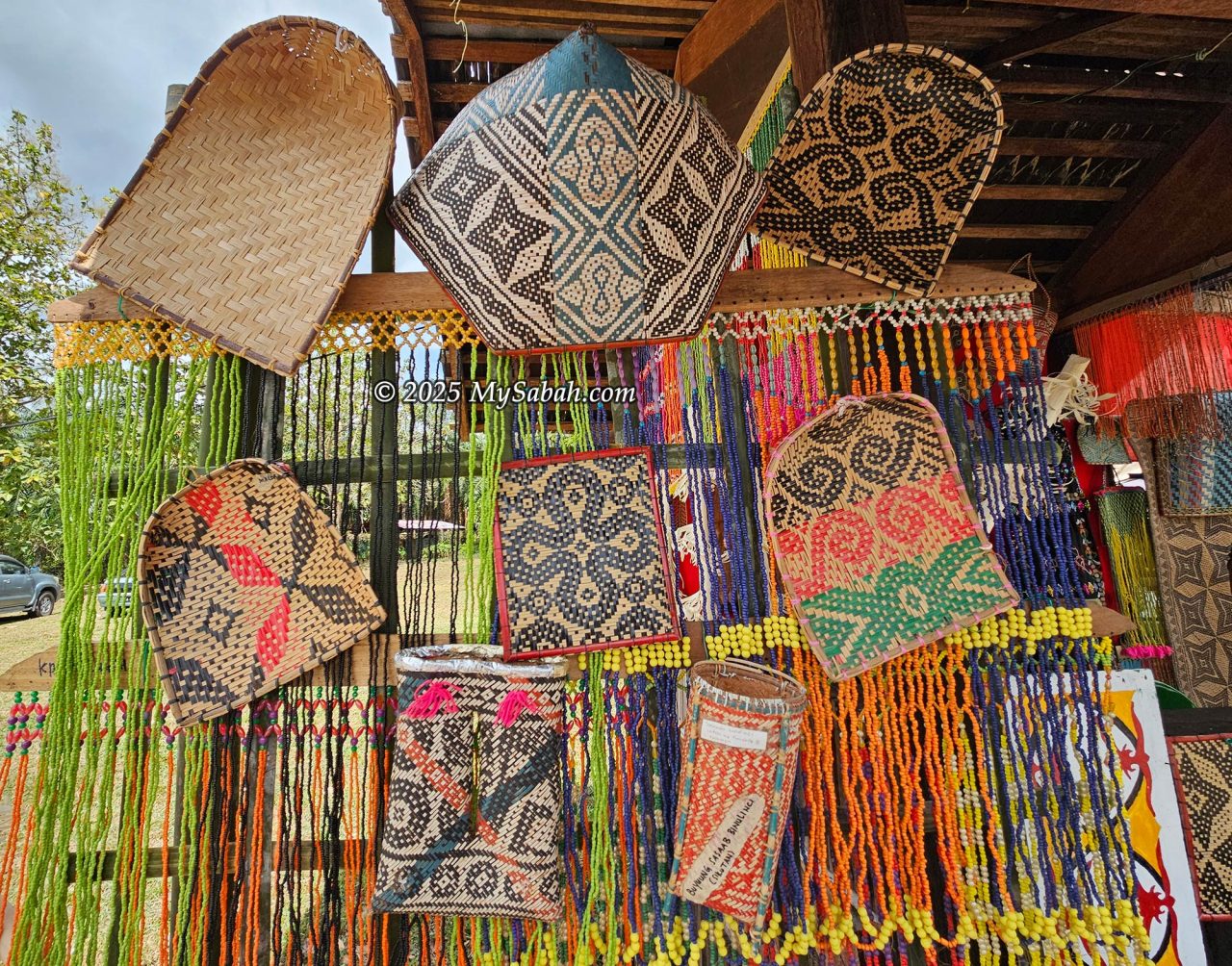
Kalimaran comes from the words ‘ralaa’ and ‘alimar’. ‘Ralaa’ means maiden, while ‘alimar’ means diligent, hardworking, determined, and capable. According to a myth, a Murut girl named Ralaa willingly sacrificed herself to save her community from famine. Before her sacrifice, she created various crafts, such as mats (tikar), silanut, tikalis, buyung, lintoyong, and onot, using materials like bamboo, rattan, and reeds for her people.
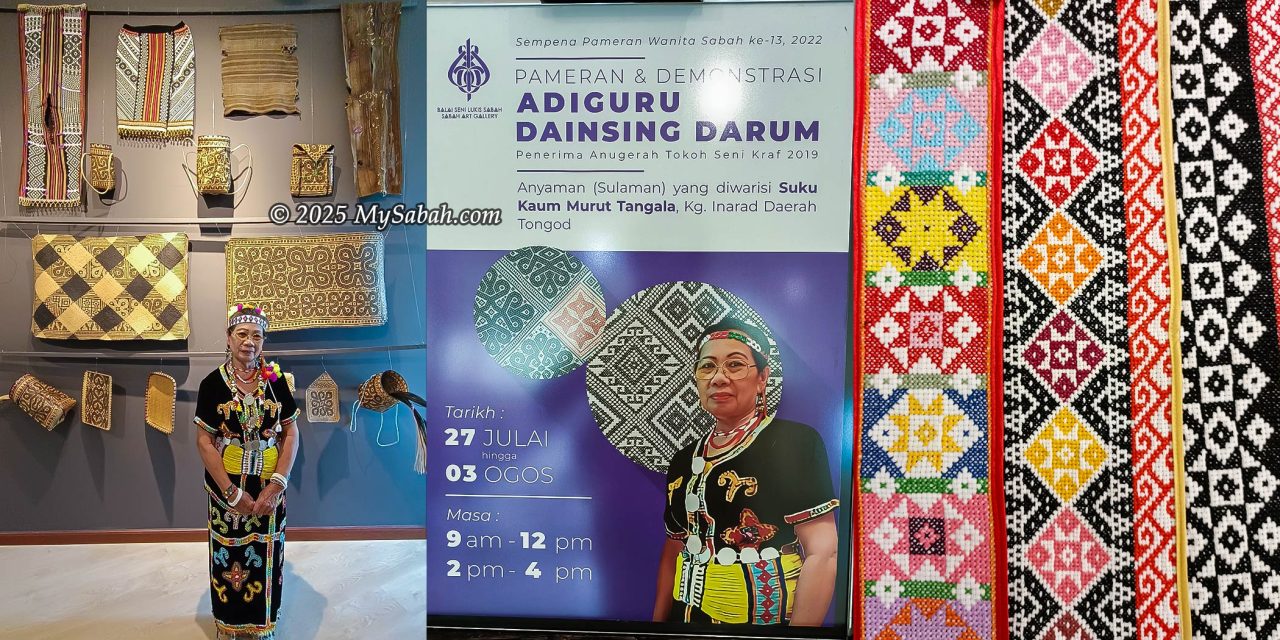
Ralaa completed her ‘KALIMARAN’ by weaving cloth using fibers from the Timahan root, shaved and spun into thread. Her woven cloth produced garments such as shirts, sampoi (shawls) and others. In the end, Ralaa was sacrificed by her brother Yulungon and became the seed for their paddy fields.
Murut Timugon and Kolor were mostly found in Tenom and some in Kemabong and Beaufort, while the Sabakongs are mostly concentrated in Pulau Sebatik, Tawau.
(Photo below is Murut Gana)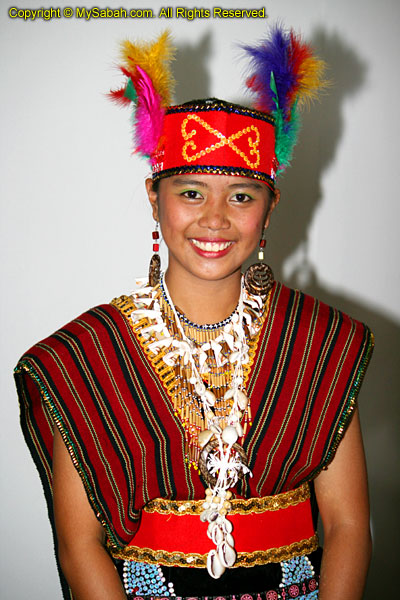
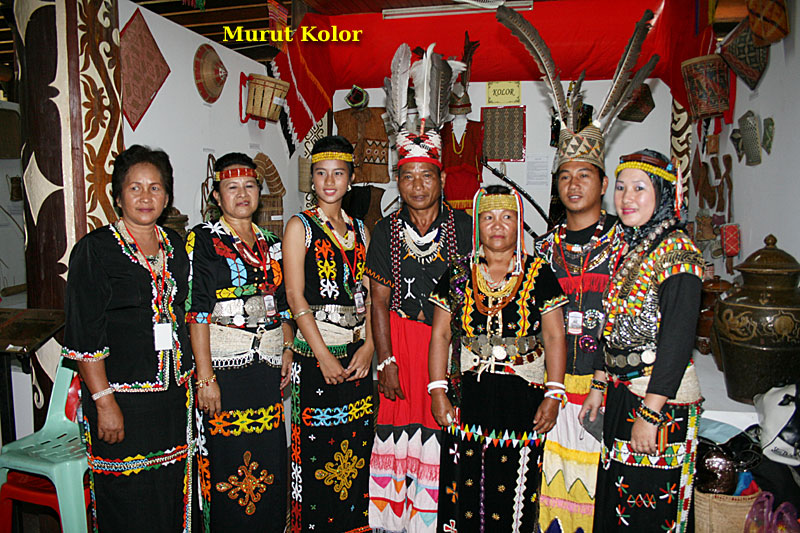
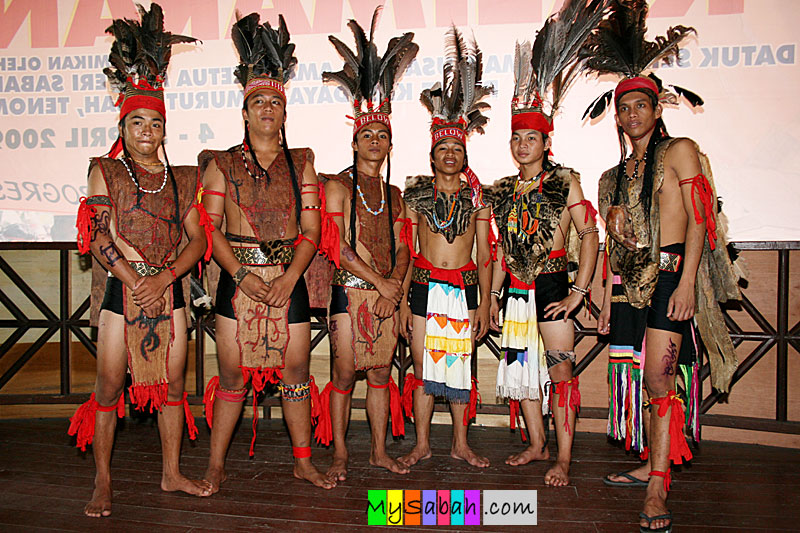
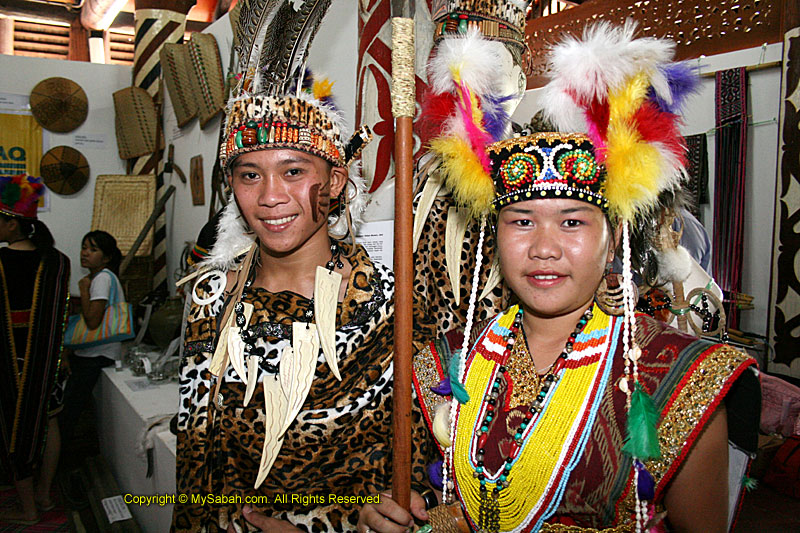
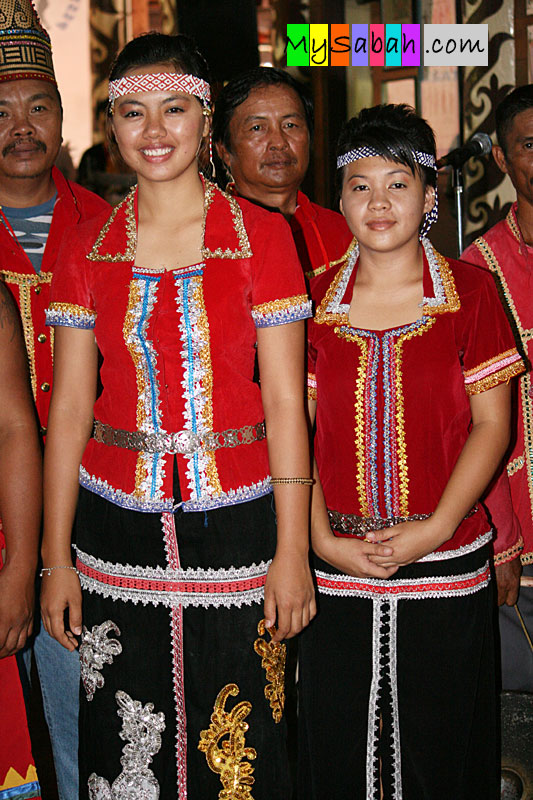
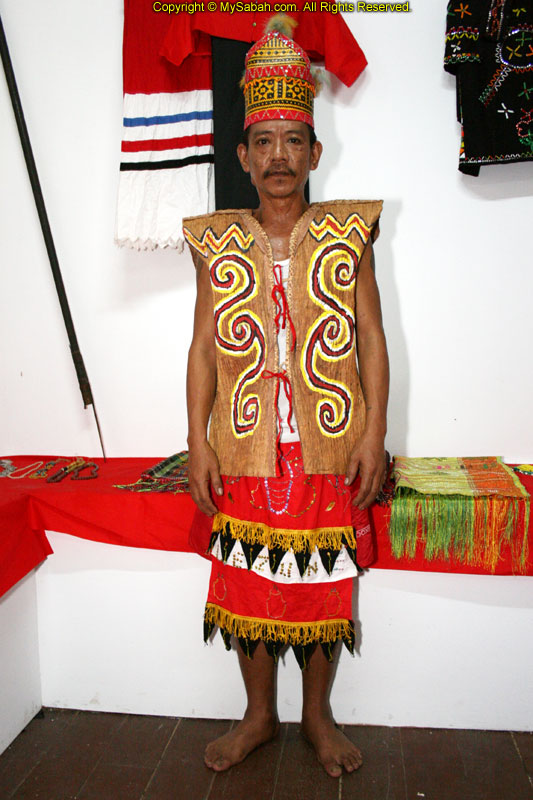
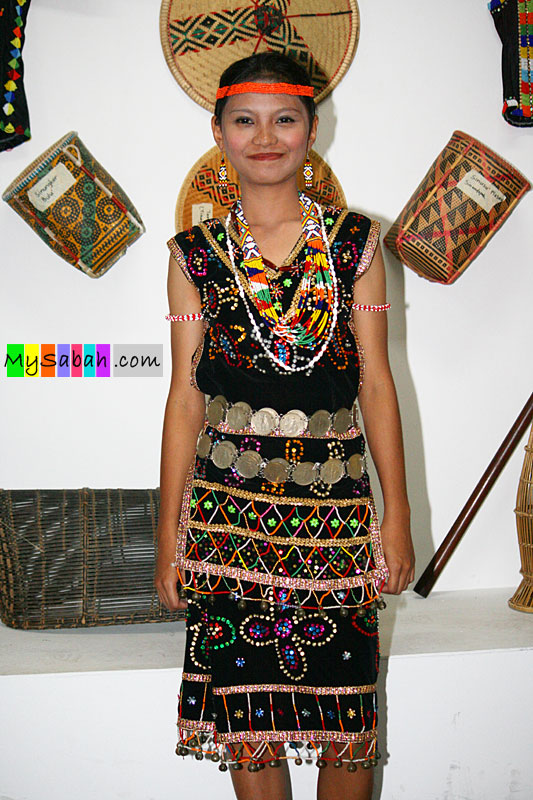
I only managed to take a few photos. Click thumbnails below to see bigger photos. From left to right, top to bottom:
1. Murut Kolor
2. Murut warriors (wearing cloth made of tree bark)
3. Gana
4. Baukan
5. Serudung
6. Paluan
7. Timugon
8. Tagol
 |  |
 |  |
 |  |
 |  |
Related Post:
Kalimaran Festival: photos of Tinauh wedding and Kalimaran beauty pageant
Photos taken in Tenom, Sabah, Malaysia Borneo

What did you mean “pay dowry for life”? 😮
the dowry is very expensive loh. the groom would have to save money for so long that the couple have the wedding ceremony after many years of marriage.
hmm there’s also murut gana ka? sebab sy ni dusun gana ba.. tia tau pula ada murut gana.. heheh
ya saya pun mau tau pasal tu… dusun gana punya baju macam mana?