 by
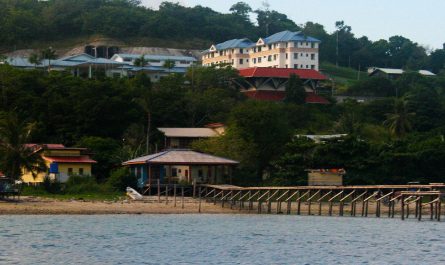
by Pulau Omadal (Omadal Island) is a small island located about a one-hour boat ride from Semporna town. While Semporna town is buzzing with thousands of tourists heading to famous islands, almost nobody visits Omadal. It is a forgotten place, which is sad because it is actually one of the most important historical sites in Sabah.
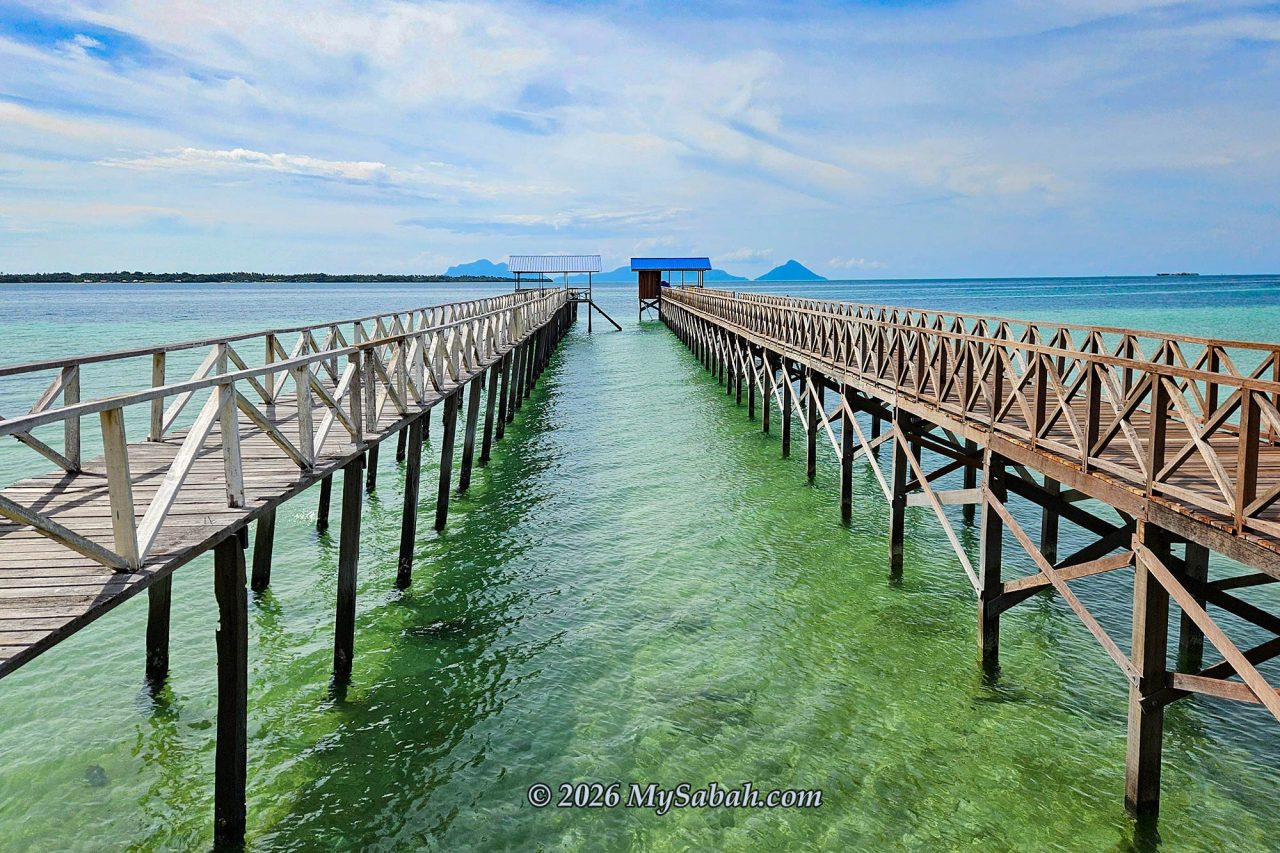
Two weeks ago, I finally stepped onto Omadal Island. Some people had told me it used to be a pirate island in the old days. My adventure started a bit too literally when I accidentally landed on the wrong jetty, which belonged to the local police (PDRM). I was casually taking photos when a police officer stopped me. He said I looked suspicious because I used their jetty without permission and was taking photos around their station. After a long explanation, they gave me a warning and let me go. Luckily, they were not hostile and did not ask me to delete my pictures.
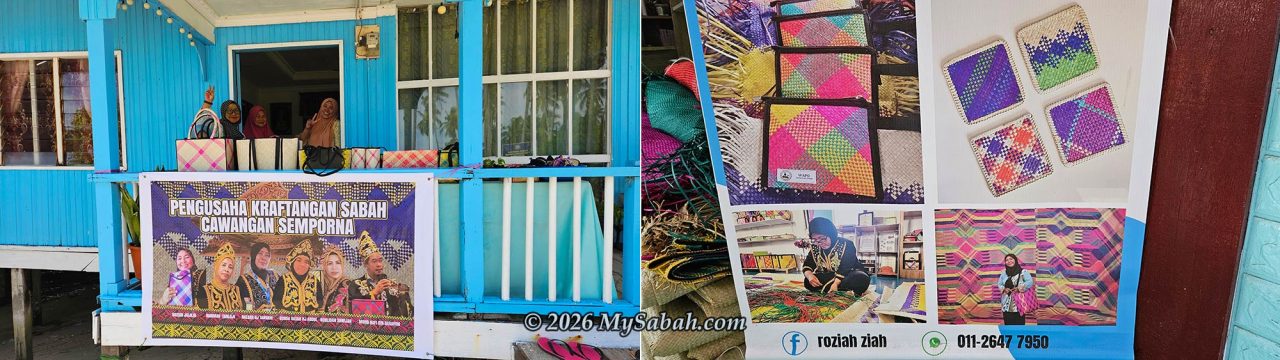
My first official stop was the home of Puan Roziah, the founder of WAPO (Persatuan Wanita Pulau Omadal). She is doing amazing work promoting local handicrafts made from dyed pandanus leaves. She teaches local women to weave these colorful leaves into beautiful mats, baskets, pouches, and bags. Their creative work has even gained international recognition, providing a much-needed income for the islanders.
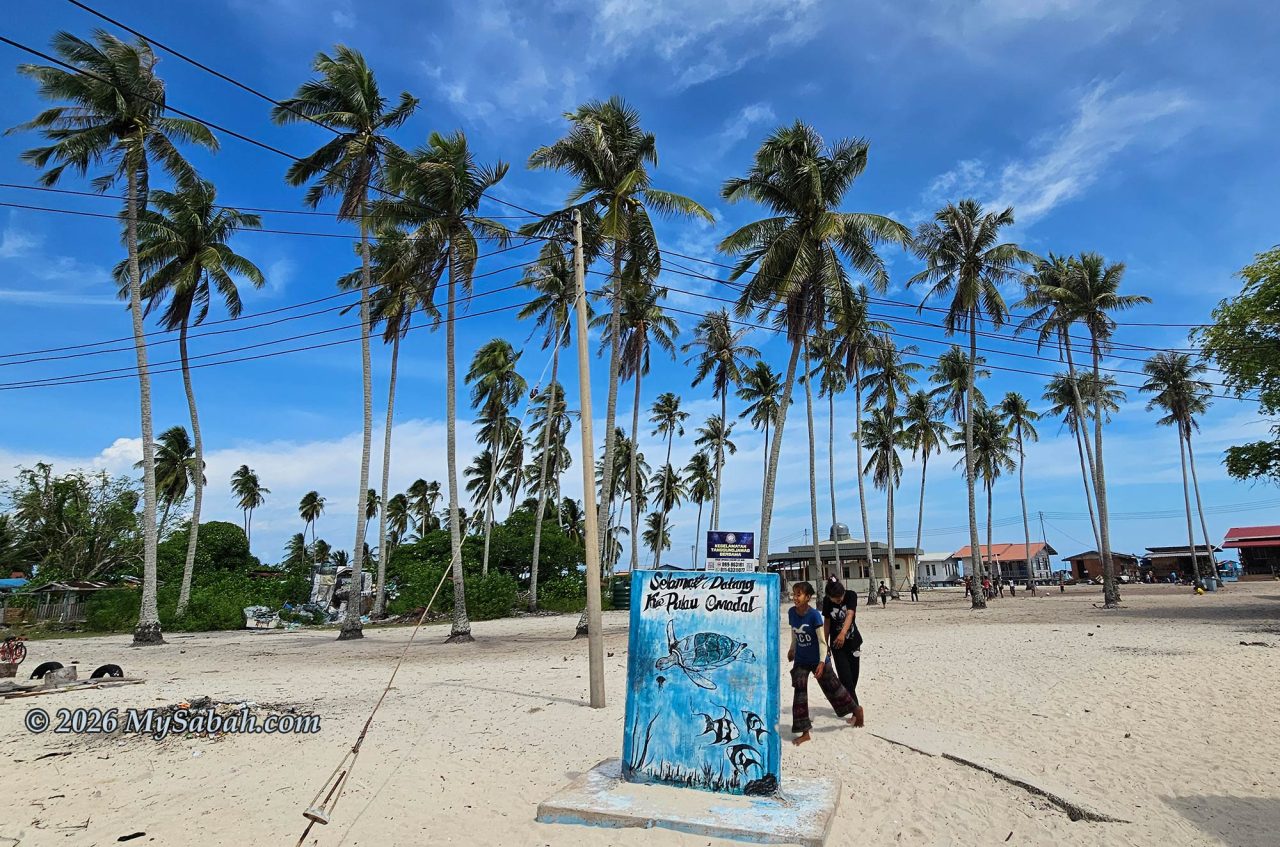
Unlike the luxury touristy islands in Semporna, Omadal looks like a traditional fishing village. The residents live in wooden houses built on the island or right over the water. The majority of the people here belong to the Bajau ethnic group, which is the second largest indigenous group in Sabah. As I explored the village, I saw a group of children happily playing volleyball under the tall coconut trees, while some toddlers were running around freely without any pants on.

I am absolutely fascinated by Omadal because of its vibrant history. Semporna has plenty of beautiful islands, but none of them can beat the incredible stories hidden here. No school textbook will ever tell you these facts.
1) Nisan / Sunduk (The Ancient Grave Markers)
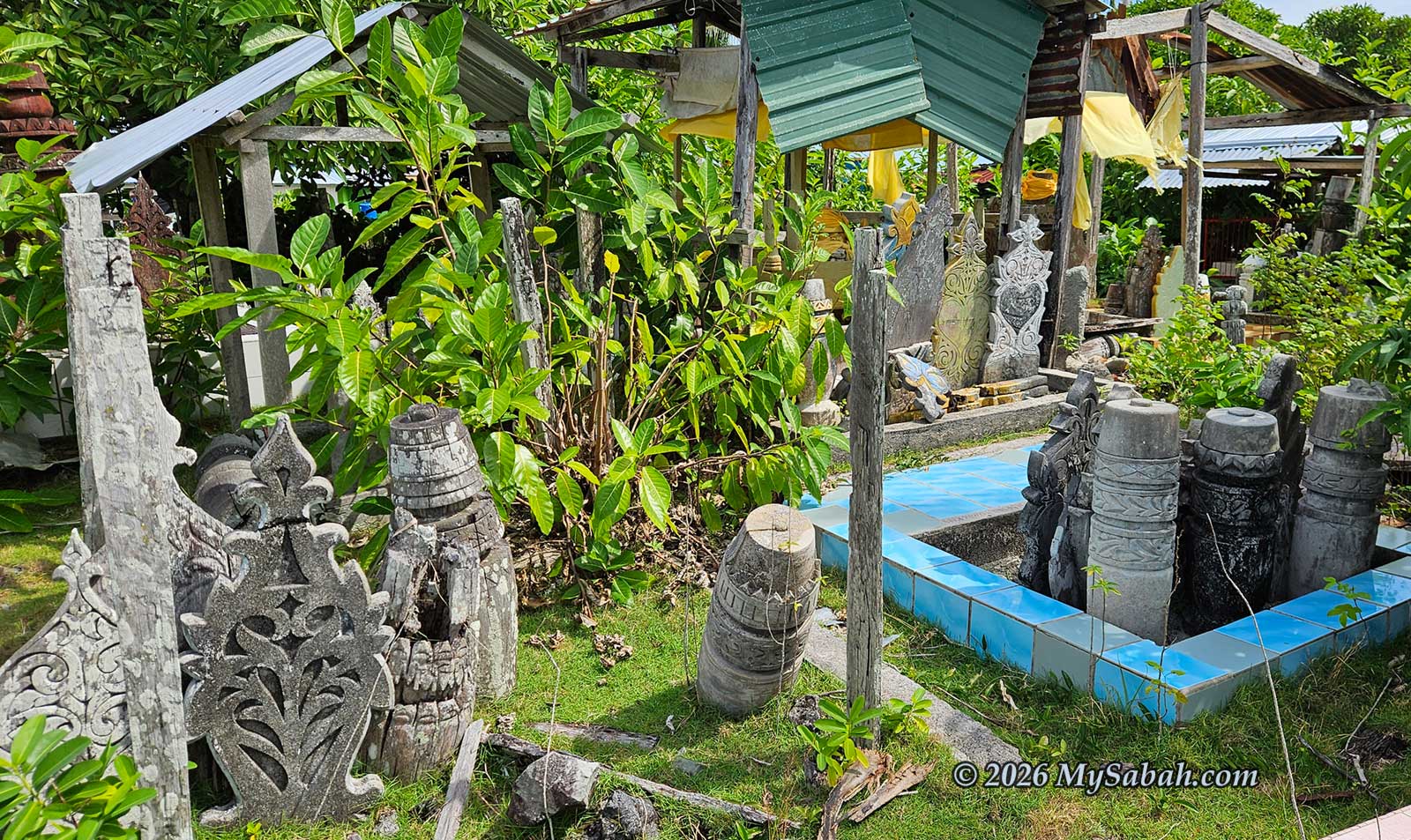
My eyes lit up when I finally found what I was looking for hidden in the bushes: an ancient cemetery right beside the village. Locally known as Nisan or Sunduk, these grave markers are truly unique. They look a bit like traditional Malay grave markers, but they are much larger, more detailed, and beautifully carved. Most are made from durable Belian wood (ironwood) or cement.

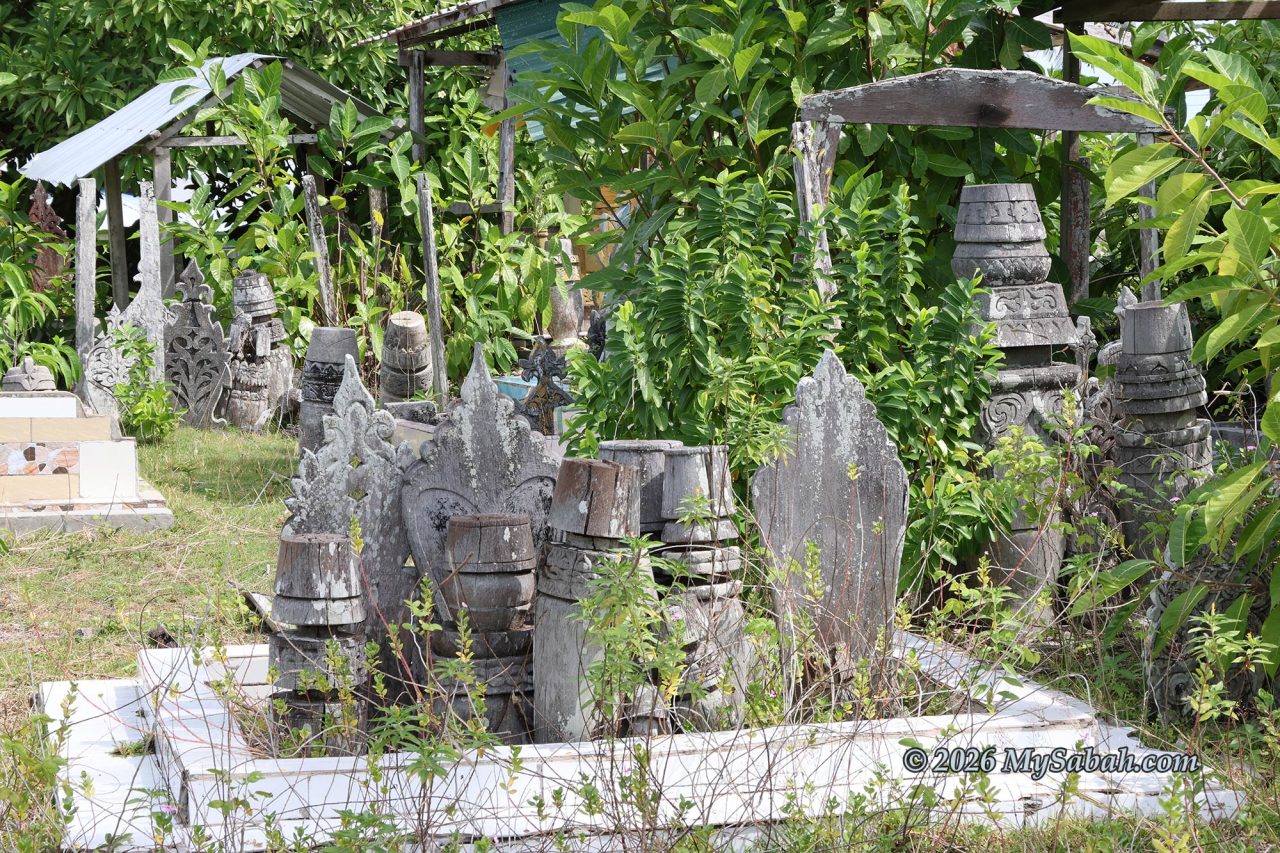
The shapes of the markers tell you the gender of the person buried there. Male markers are usually round like cylinders or columns, while female markers are flat and decorated with intricate leaf patterns. The bigger and fancier the marker, the higher the social status of the person. Some are so tall they almost reach human height!
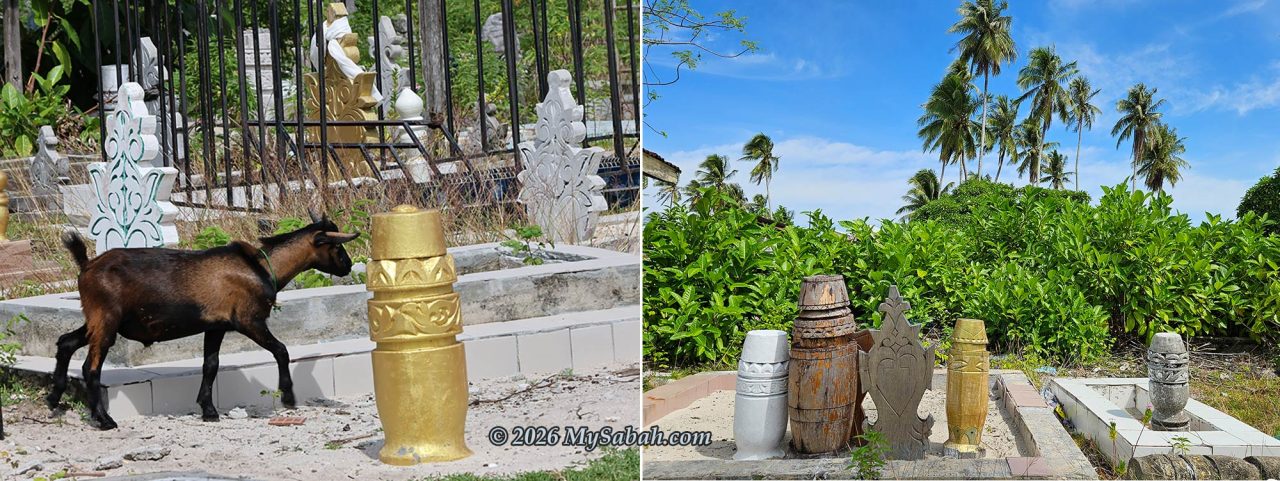
Omadal has been used as an ancestral burial ground for centuries. Local legends say the ancestors of the Omadal Bajau originally came from Johor around the 17th century. If true, this site has hosted burials for about 400 years. However, historical records suggest a different story: the Bajau people originally originated from the southern parts of the Philippines.
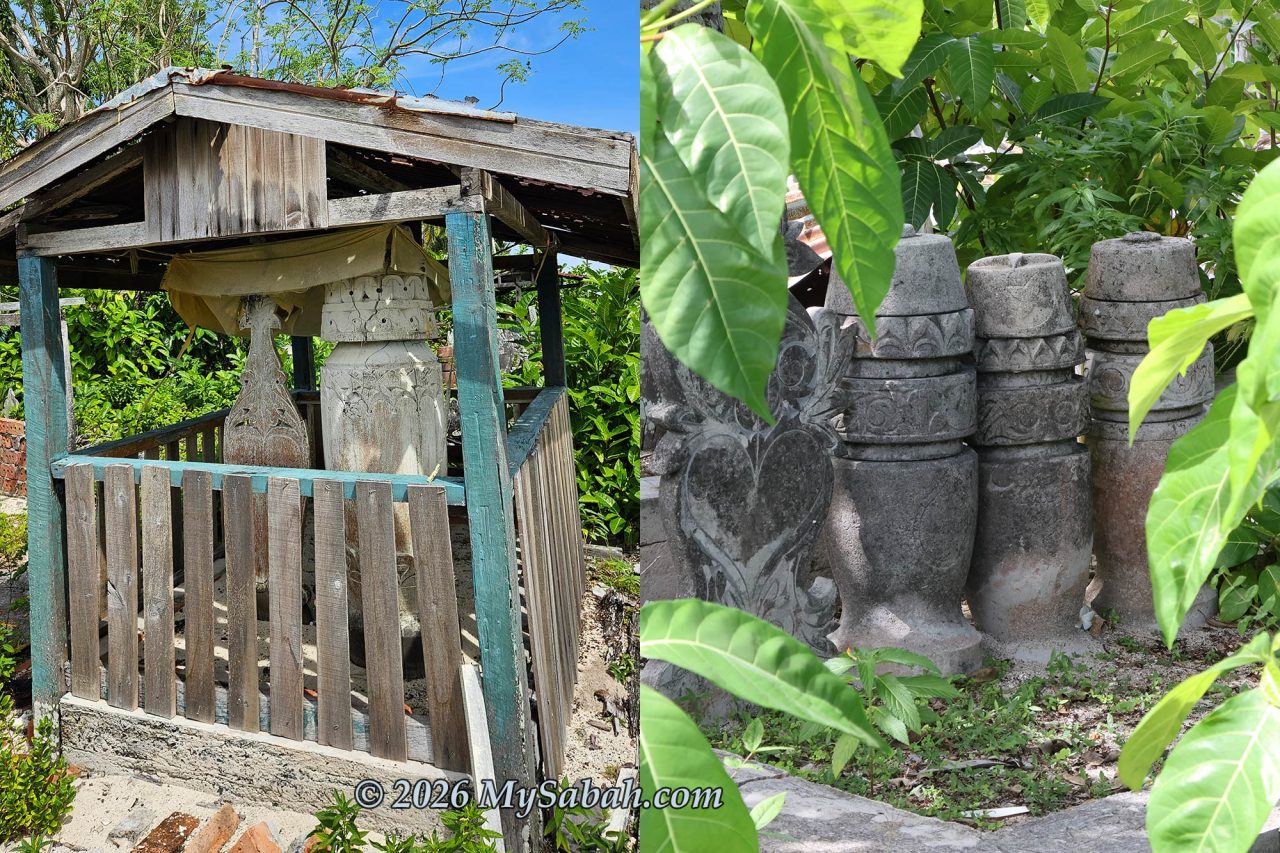
I do not know which is the oldest nisan on the island. The Sabah Museum actually established an Ancient Tombstone Museum (Muzium Nisan Purba) here, but I did not get a chance to visit it this time. I will definitely find out more on my next trip.
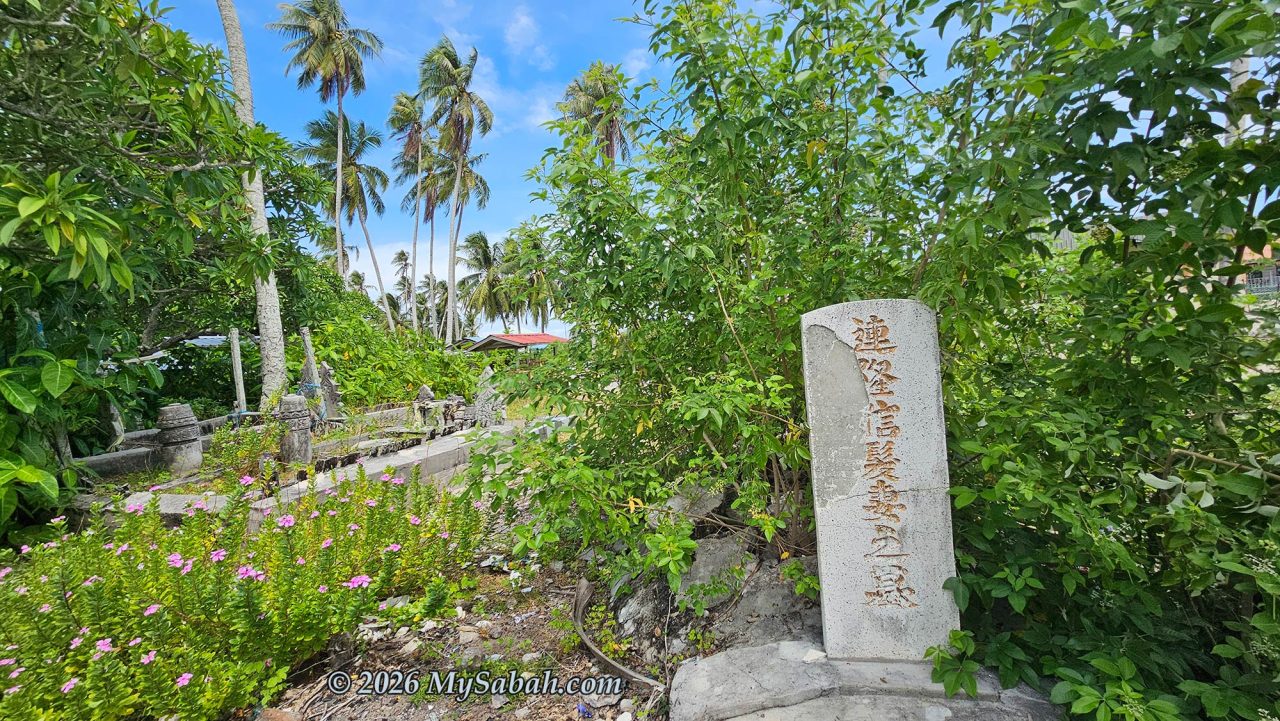
Standing among the traditional graves is a lone Chinese grave. It has no date or details, which makes me wonder about its backstory. Chinese traders were active on Omadal as early as the 10th century. By the 13th century, Chinese Muslim merchants dominated the sea trade between China and Borneo, and Omadal was one of their main trading posts.
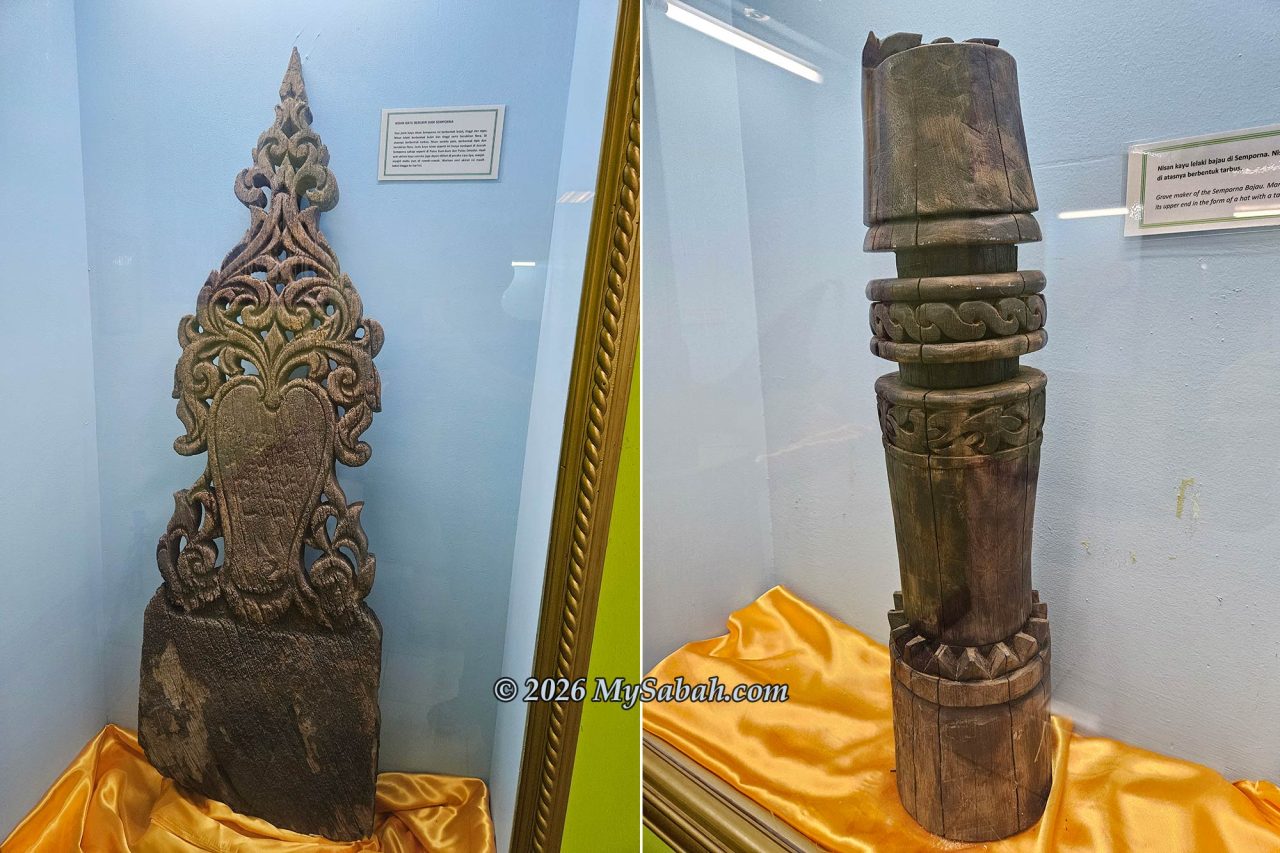
In 1885, British officials even encouraged Chinese merchants to open shops on Omadal to control the lucrative trade in edible bird’s nests. A famous Chinese merchant named Toonah was a major player back then, trading items like Chinese tobacco, silk, cotton sarongs, and brass vessels.
2) The Sea Nomads
The Bajau Laut are traditional sea nomads who spend their lives on the water. In the past, they lived entirely on traditional boats called lepa. They cooked, slept, ate, and even gave birth on these boats as they traveled as fishermen and traders across the borders of Borneo, the Philippines, and Indonesia. The Celebes and Sulu Seas were their only home.
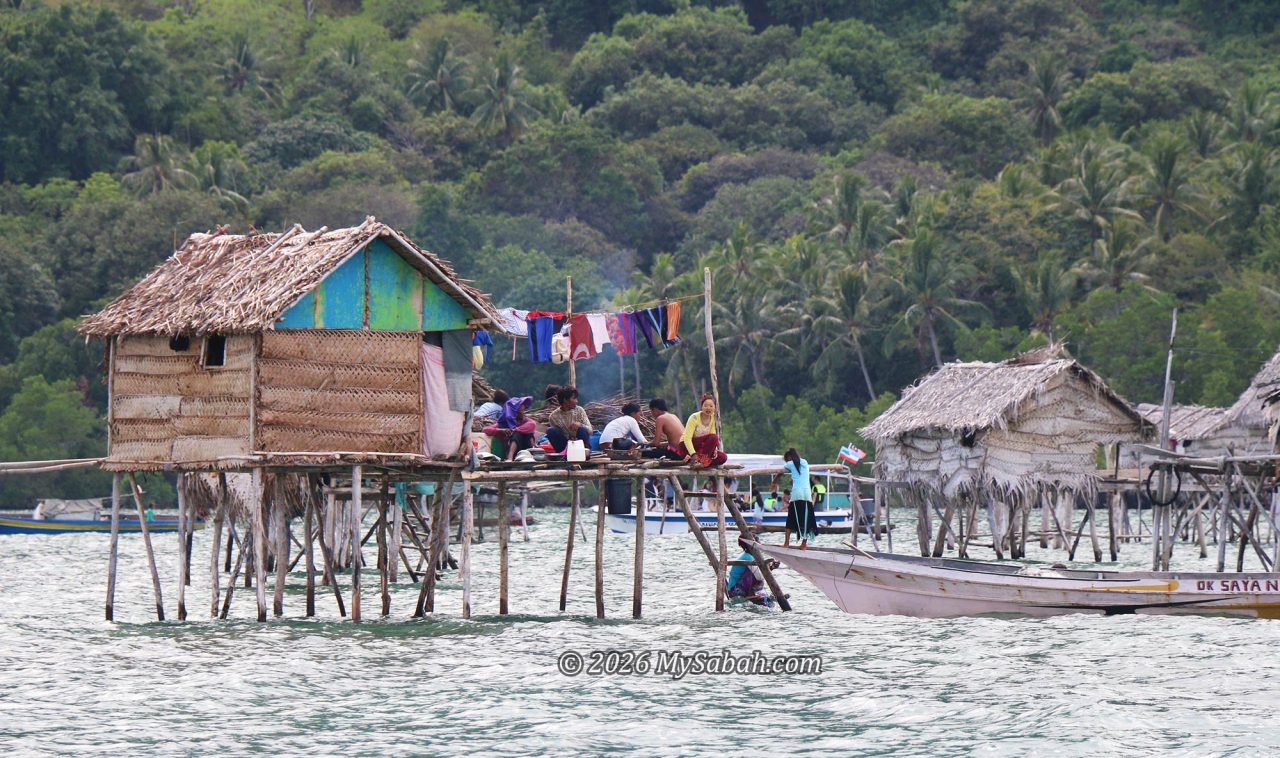
Today, most Bajau Laut have settled on land or live in wooden stilt houses built over the shallow sea, but some still keep the ancient lifestyle alive. Their traditional beliefs are rooted in animism. They believe the ocean is a living, protective spirit, while the land is a foreign place associated with sickness and death. That is why they chose to live on the water and only stepped onto dry land to bury their dead.
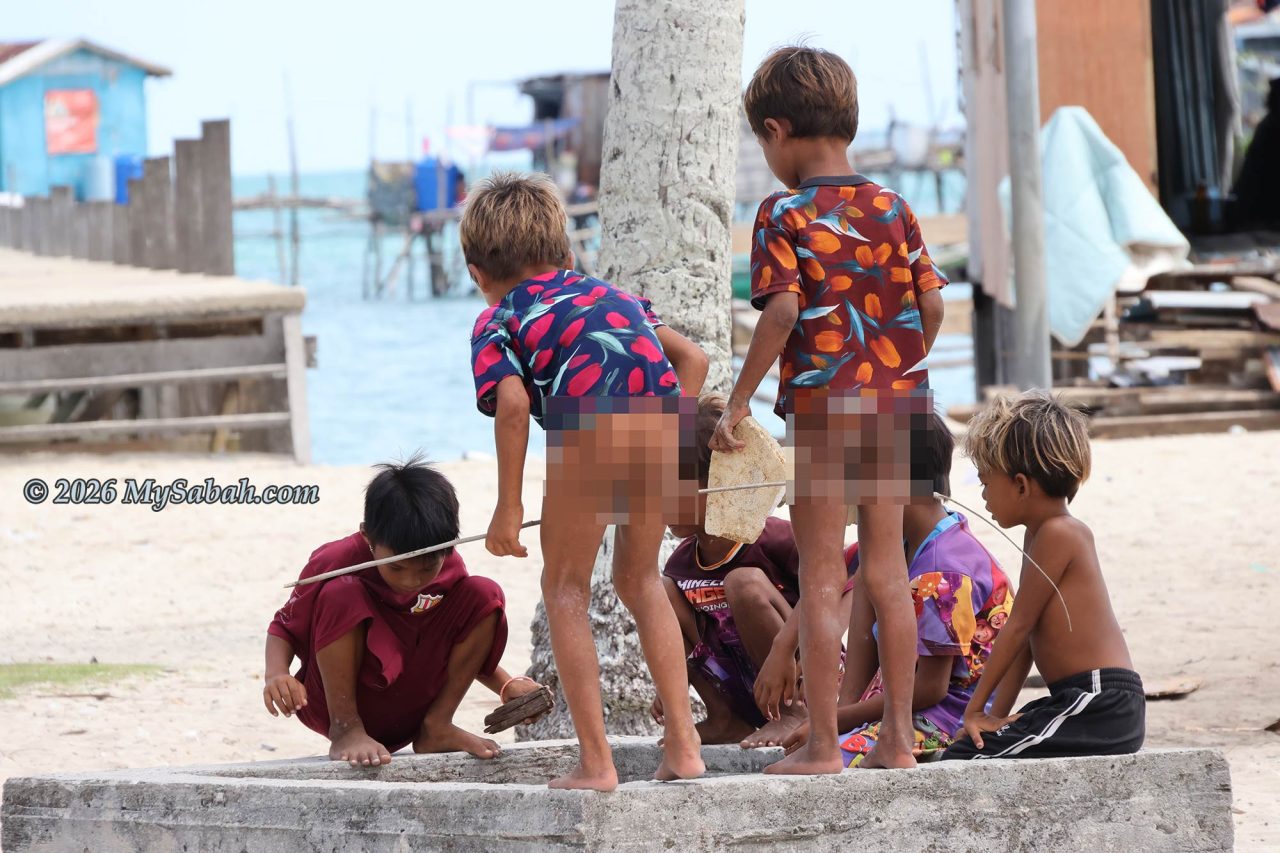
As true people of the sea, the Bajau Laut are famous worldwide for being extraordinary free-divers. They can hold their breath underwater for an incredible 5 to 13 minutes! In the old days, they roamed freely without worrying about international borders because no rulers could control them.
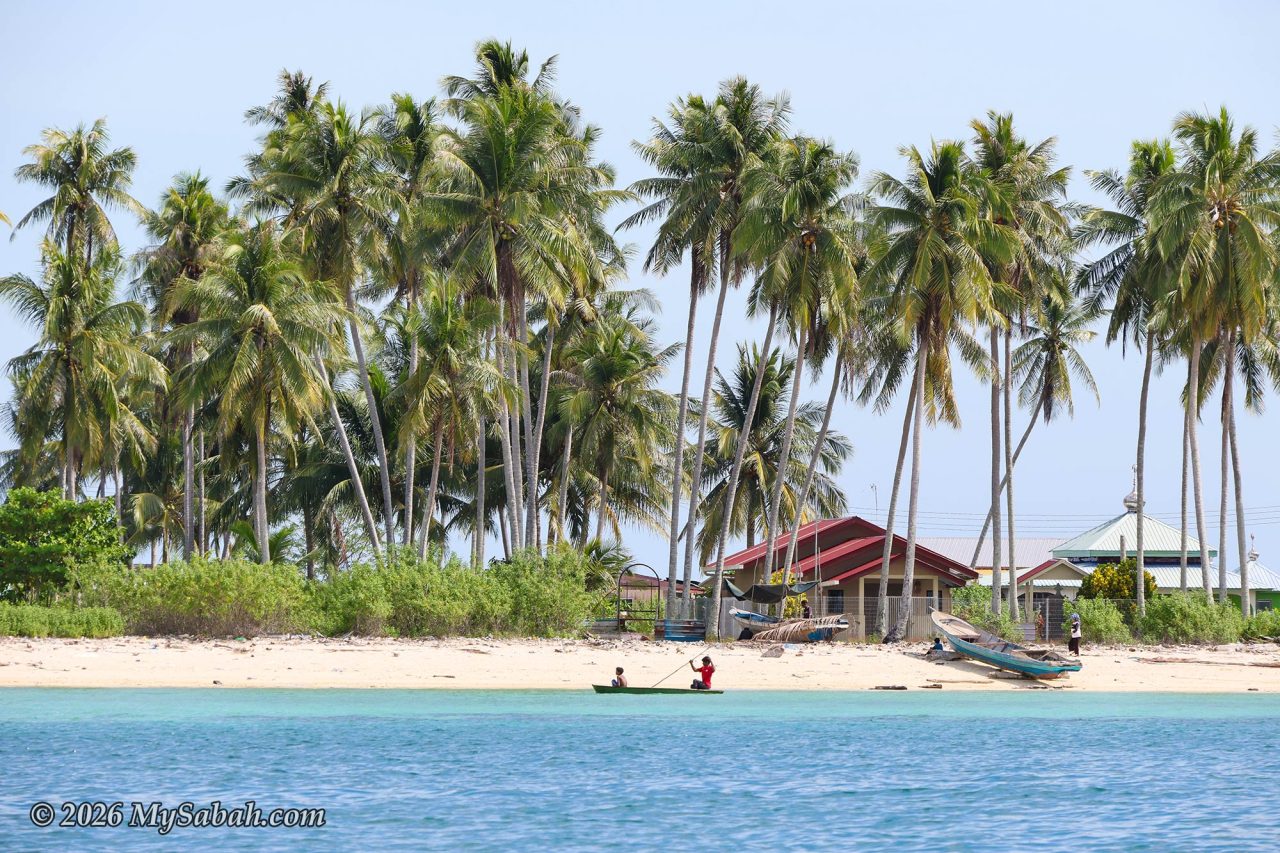
Unfortunately, that romantic era of seafaring is gone, and Omadal is no longer a busy trading hub. Because they crossed borders freely for generations without paperwork, many modern Bajau Laut are not recognized as citizens by any country. They have become stateless and unwelcome.
3) Island of Slaves and Pirates
Everyone knows the movie Pirates of the Caribbean, but very few people know that Omadal was once a notorious pirate haven and a major center for the slave trade. Long before the British arrived in the late 19th century, human beings were bought and sold here like livestock. Slavery was a legal and common practice under the Sulu Sultanate during the 18th and 19th centuries.
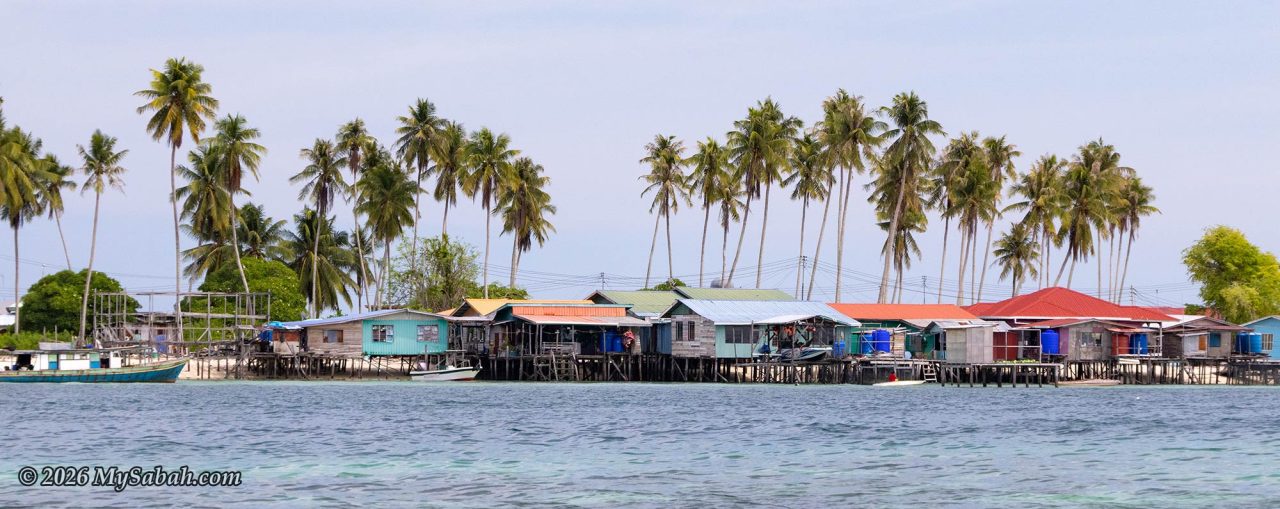
When the British North Borneo Company tried to take over in the late 19th century, the people of Omadal fought back fiercely. The island became a massive headache for the British, who labeled the locals as a “pirate haven” because they involved in robbery and human-trafficking, refused to pay taxes or recognize British authority.
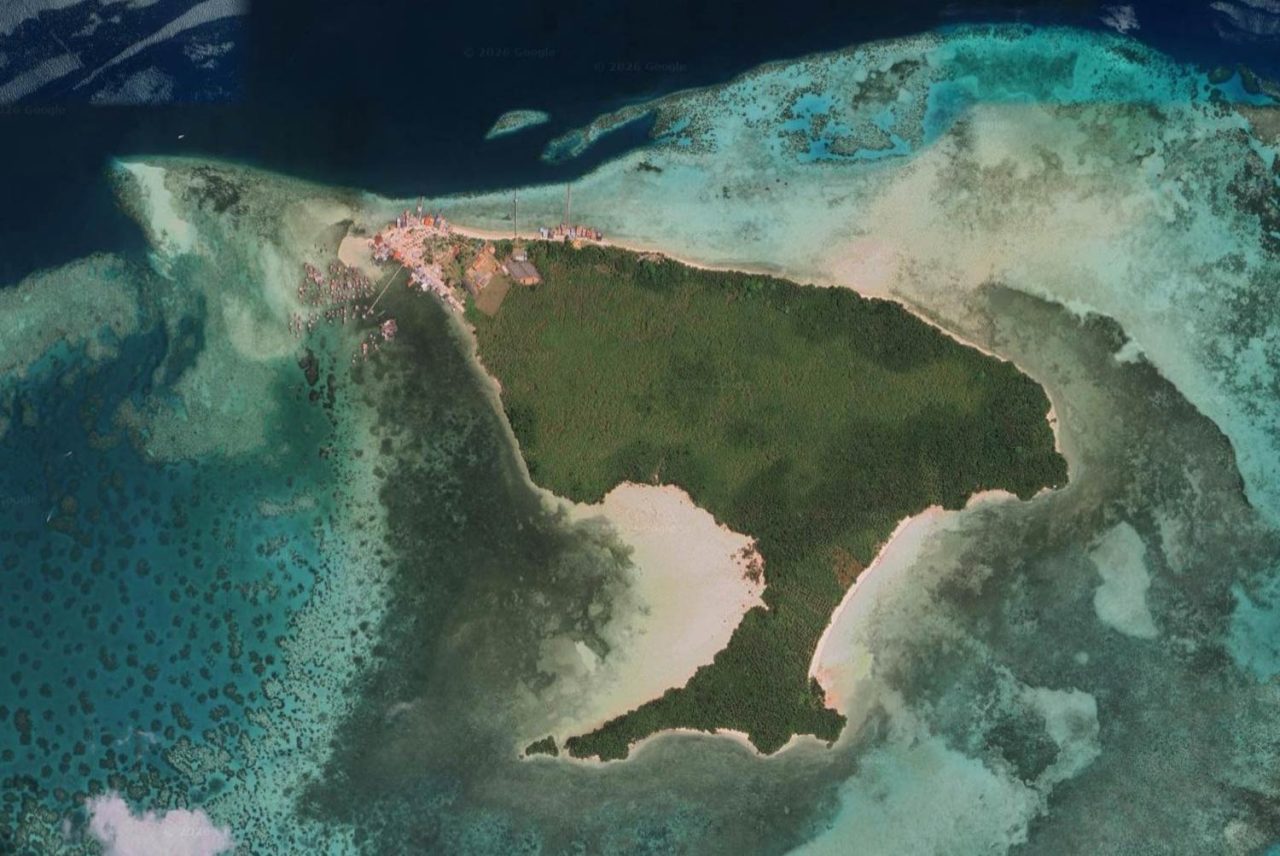
The British officially banned slavery in Borneo in 1881, so they were furious with the pirate activity and slave trading on Omadal. The island was ruled by local leaders who chose to stay loyal to the Sultan of Sulu rather than obey British laws. The Company saw Omadal as a major roadblock to their plans for total economic monopoly.
4) The “Bird’s Nest” War
Edible bird’s nests were once the most valuable treasure on Sabah’s east coast. Long before Semporna town even existed, this trade was centered entirely on Omadal Island. The British weren’t fond of eating bird saliva, but they salivated over the enormous profits the trade generated and desperately wanted a share of the wealth.
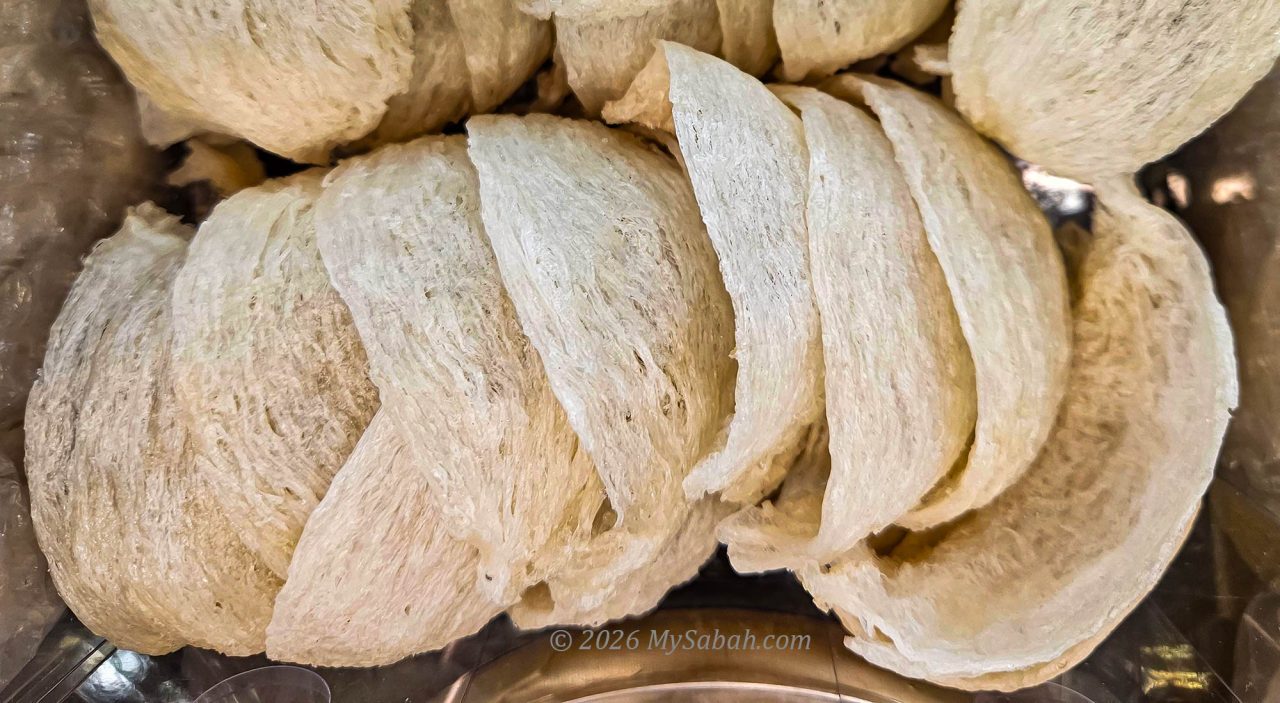
To avoid paying heavy British taxes, the Bajau on Omadal smuggled the bird’s nests out, shipping them directly to Sulu and Kalimantan instead. In 1884, the British sent a customs clerk to Omadal to collect taxes, but the local Bajau chased him off the island. The Company completely lost control of the trade.
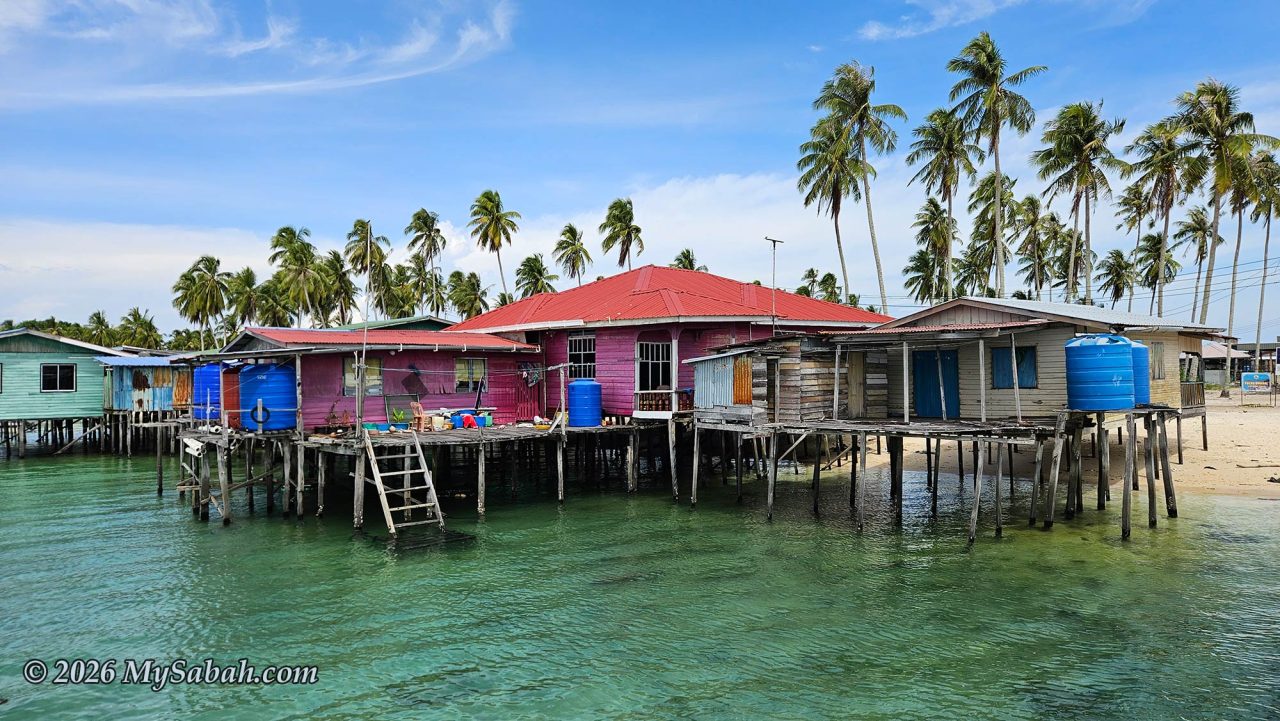
To bypass the rebellious islanders, the British established Semporna town on the mainland in 1887 as a new government trading post. The name Semporna actually means a “place of rest.” However, tensions kept rising, leading to a major British military expedition against Omadal in 1892.

By 1903, the British forced all Chinese shops on the surrounding islands to move to Semporna town and began restricting sea movement. Because Omadal Island was small and cut off from the new mainland economy, it slowly lost its glory and went downhill.
From Freedom to Stateless
Today, there are two main groups of Bajau in the Semporna region. One group holds Malaysian citizenship and enjoys a comfortable life. The other group consists of stateless Bajaus who live in extreme poverty. Before modern borders existed, the Bajau Laut were free spirits of the sea. But once Malaysia, the Philippines, and Indonesia drew their official borders, these nomads suddenly found themselves citizens of nowhere.
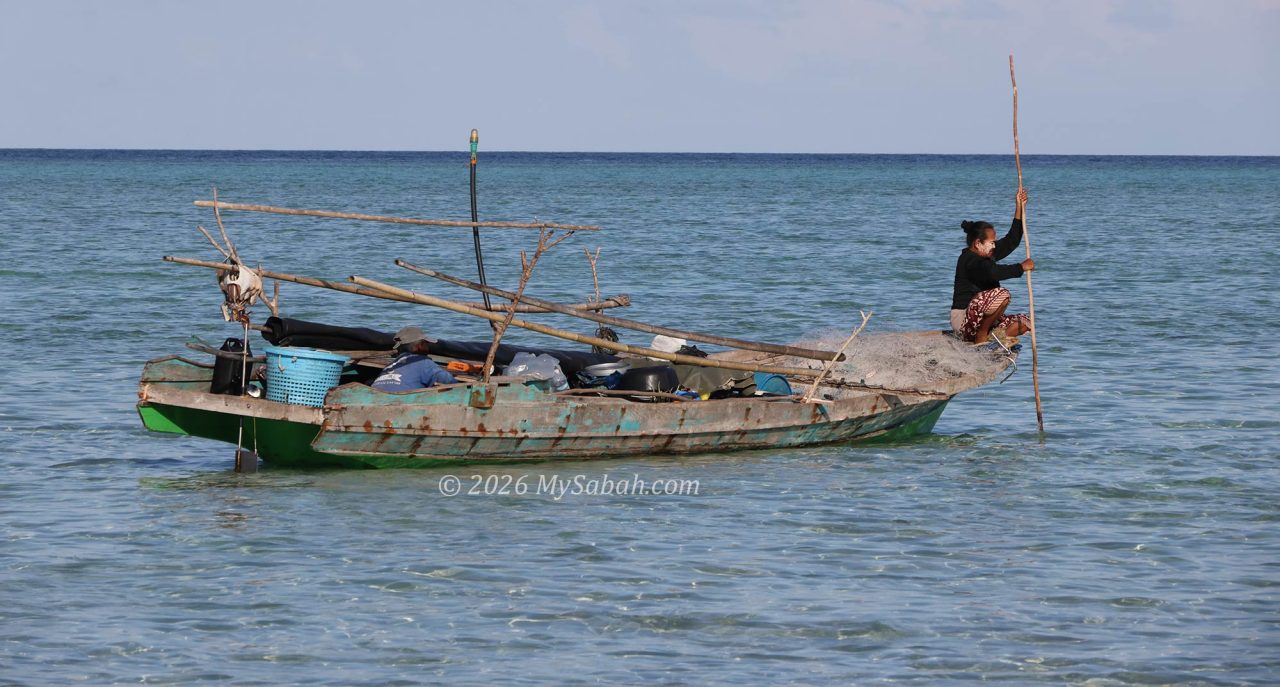
These stateless people are often called Pala’uh, which is a local term for the Sea Bajau. Sadly, they are often treated as outcasts, even by the land-dwelling Bajau. That’s why many Malaysian Bajaus dislike being called Sea Bajau. To make matters worse, statelessness is inherited; children born to stateless parents in Malaysia are automatically stateless too.

Local Sabahans often confuse these stateless people with illegal immigrants (locally called PTI). However, illegal immigrants are outsiders who entered the country unlawfully, while the stateless Bajau are undocumented people who have lived in these waters for generations. Sadly, both groups face the same discrimination from local communities. While giving them legal status would solve many social issues, the topic is highly sensitive, and politicians are reluctant to touch it due to voter backlash.
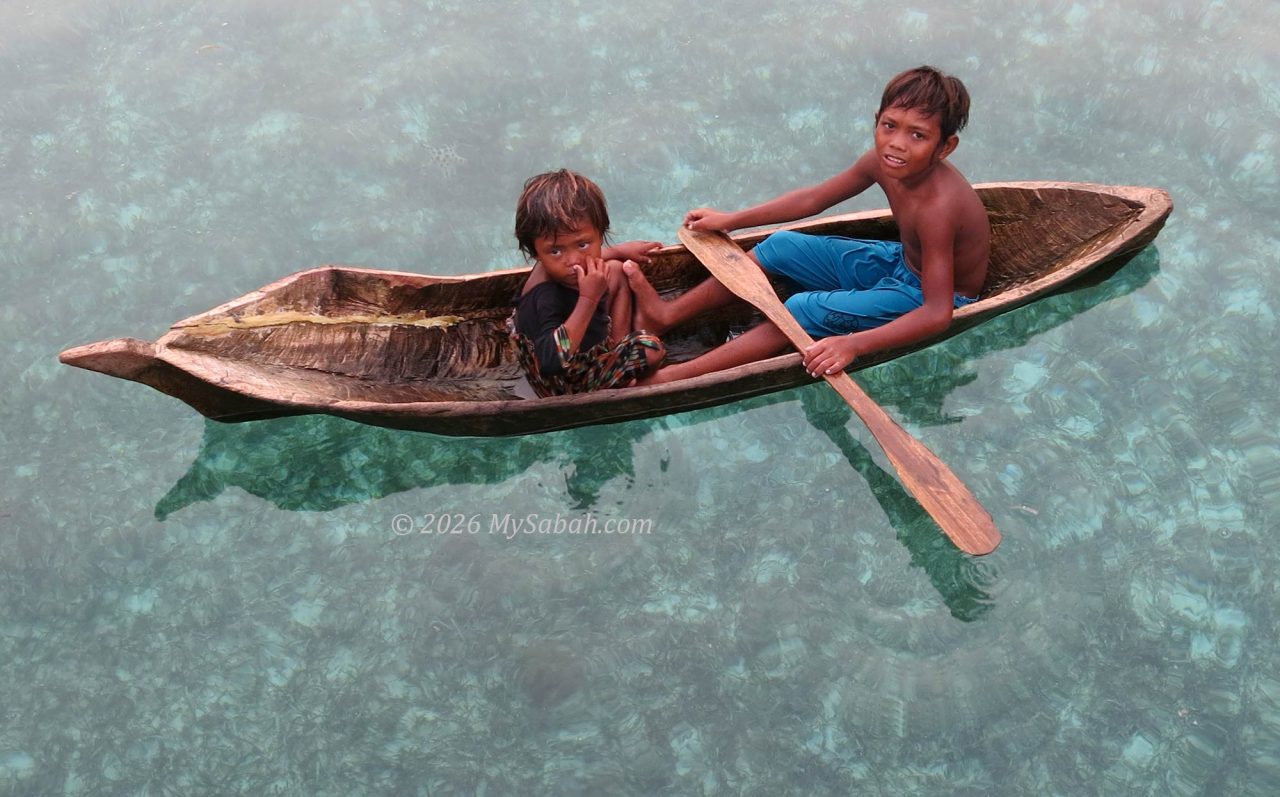
Without citizenship, these families have no right to clean water, electricity, healthcare, legal jobs, or public education. Many become street kids begging for money, and some even sniff glue to dull their hunger pains. Independent organizations like Borneo Komrad and ISKUL are trying their best to provide basic schooling, but they need much more support.
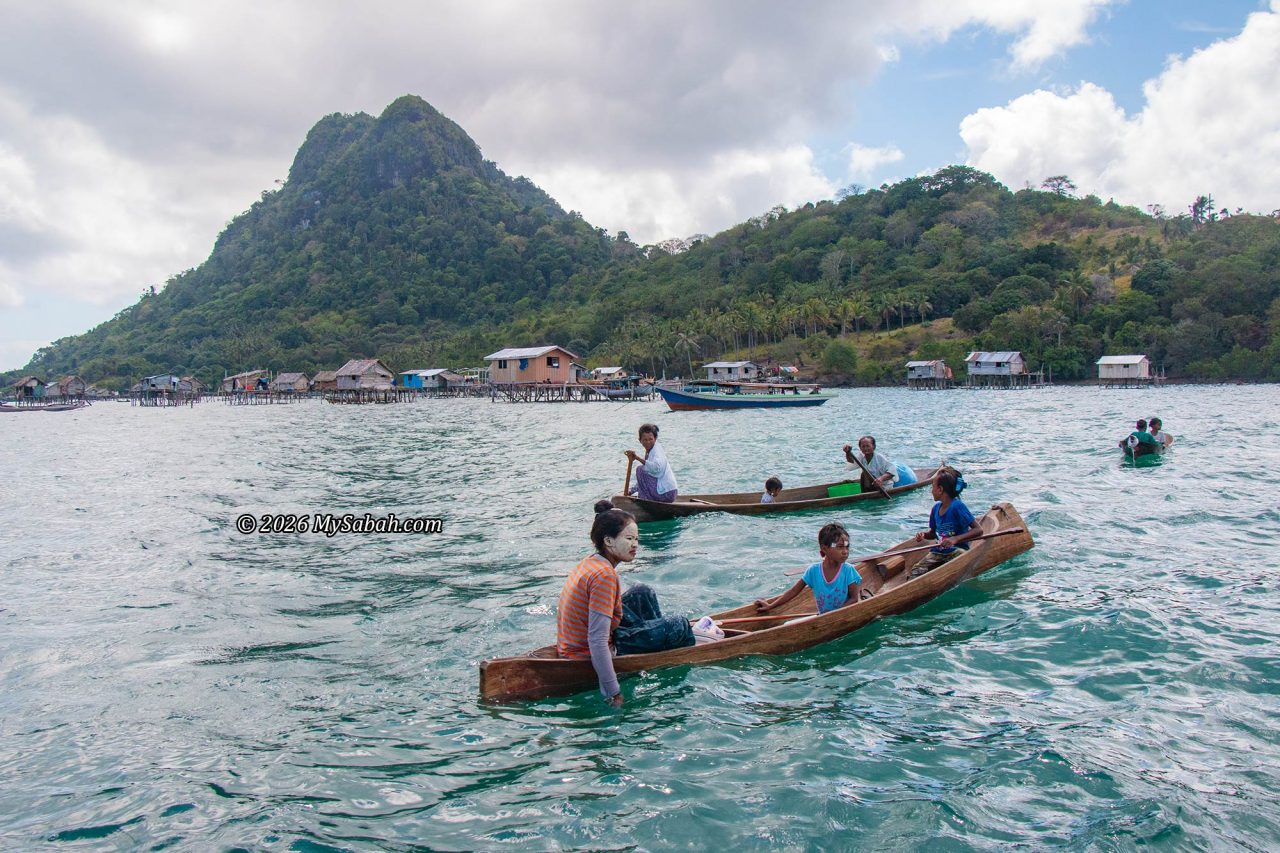
We can survive losing our belongings, but losing hope is a total game over. The Malaysian government has made some efforts, such as supporting the Grace Alternative Learning Centre in Tawau, which is the country’s first registered school for undocumented children. However, considering the millions spent on foreign refugees over the years, it is simply not enough. Education is a basic human right, and it is the only real way to break the cycle of illiteracy and poverty for these children.
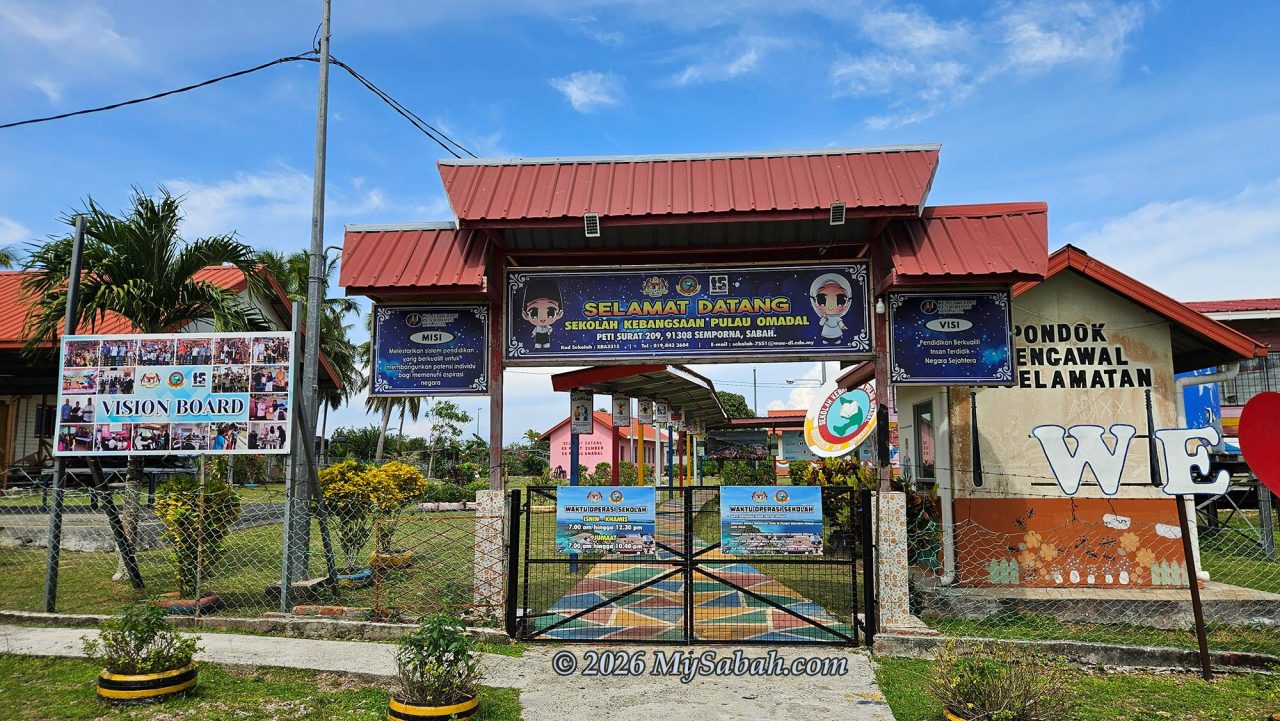
Since Semporna is a world-famous tourist destination, I truly hope that Omadal Island will one day get its own share of the tourism economy. The island’s deep history and rich culture are amazing selling points that deserve to be shared with the world.
References
- Sather, C. (1997). The Bajau Laut: Adaptation, History, and Fate in a Maritime Fishing Society of South-Eastern Sabah. Kuala Lumpur: Oxford University Press.
- Ispal, H. H. (2010). Adat Dan Ritual Kematian Suku Bajau Omadal, Semporna. In S. N. Hj. Mahali (Ed.), Adat dan Ritual Kematian di Sabah. Kota Kinabalu: Universiti Malaysia Sabah Press.
- Wan Hassan, W. S., & Peters, D. (2020). The Vulnerability of Bajau Laut as Stateless People in Sabah. Jurnal Kinabalu, 184–196.
Photos taken in Sabah, Malaysia Borneo